How to Fix Your Squat in 60 Seconds (Beginner-Friendly Guide)
The squat is often called the king of exercises—and for good reason. It strengthens your legs, glutes, and core, improves mobility, and supports everyday movements like sitting, standing, and lifting. But here’s the truth most people don’t hear enough:
Most squats are done incorrectly.
The good news? You don’t need hours of coaching, complicated cues, or fancy equipment to fix your squat. In fact, with a few targeted checks and adjustments, you can dramatically improve your squat in about 60 seconds.
Whether your knees cave in, your heels lift, your back rounds, or squats just feel uncomfortable, this guide will walk you through:
- Why your squat feels “off”
- The most common squat mistakes
- A simple 60-second squat fix sequence
- How to squat safely and confidently moving forward
Let’s break it down.
Why Squat Form Matters More Than You Think
Squats aren’t just a gym exercise—they’re a fundamental movement pattern. Every time you sit down, stand up, or pick something up from the floor, you’re essentially squatting.
When your squat mechanics are poor, your body compensates. Over time, those compensations can lead to:
- Knee pain
- Lower back discomfort
- Hip tightness
- Reduced strength gains
- Increased injury risk
Proper squat form ensures that:
- Your muscles (not your joints) do the work
- Force is distributed evenly
- You build strength safely and efficiently
The goal isn’t to squat deeper or heavier—it’s to squat better.
The Most Common Squat Problems (And Why They Happen)
Before fixing your squat, you need to understand what’s going wrong. Here are the most common issues people face.
1. Knees Caving In
This usually points to weak glutes or poor hip stability. When your glutes don’t fire properly, your knees collapse inward to compensate.
2. Heels Lifting Off the Floor
This is often caused by limited ankle mobility or tight calves. When your ankles can’t bend enough, your body shifts weight forward.
3. Rounding or Overarching the Lower Back
Poor core control, limited hip mobility, or lack of awareness can cause your spine to lose its neutral position.
4. Falling Forward
This typically comes from a lack of hip hinge mechanics or weak posterior chain muscles (glutes and hamstrings).
5. Squats Just Feel Uncomfortable
Discomfort doesn’t always mean pain—but it’s a signal something isn’t working efficiently.
The 60-Second Squat Fix (Step by Step)
You don’t need to overhaul everything at once. This quick reset focuses on mobility, activation, and alignment—the three pillars of a good squat.
Step 1: Foot Reset (10 Seconds)
Your squat starts at the ground.
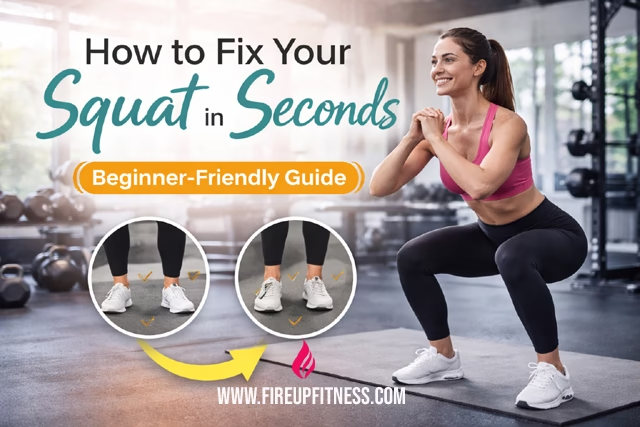
- Stand with feet about shoulder-width apart
- Turn toes slightly outward (about 10–20 degrees)
- Spread your toes and press evenly through:
- Heel
- Big toe
- Pinky toe
This creates a stable base and instantly improves balance.
Why it works:
A strong foot position helps align your knees and hips automatically.
Step 2: Ankle & Hip Wake-Up (15 Seconds)
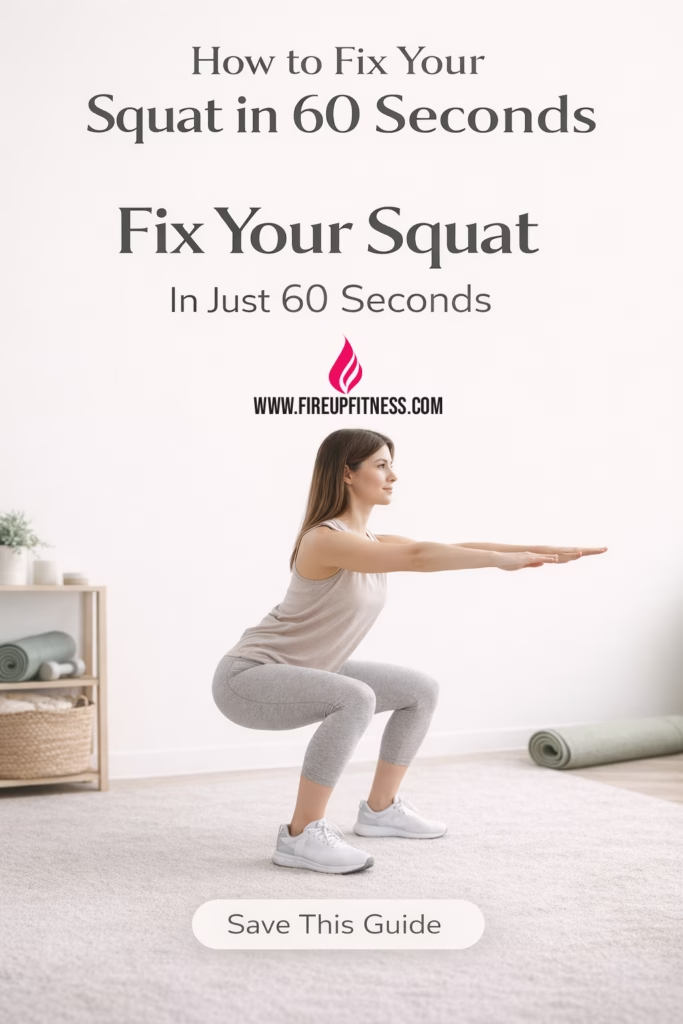
Do 5–6 slow bodyweight squats, focusing on:
- Keeping heels down
- Letting knees track over toes
- Moving slowly
If needed, hold onto a chair or countertop for balance.
Why it works:
Gentle reps help your joints “find” the correct range of motion before adding effort.
Step 3: Core Brace Reset (10 Seconds)
Before squatting, lightly brace your core:
- Imagine zipping up a tight pair of jeans
- Keep ribs stacked over hips
- Breathe normally (don’t hold your breath)
Why it works:
A braced core protects your spine and keeps your torso stable.
Step 4: Glute Activation Cue (10 Seconds)
Before your next squat, squeeze your glutes gently at the top—then release and squat down.
On the way up, think:
“Push the floor away with my heels.”
Why it works:
This helps your glutes take over instead of your knees or lower back.
Step 5: Tempo Squat (15 Seconds)
Do 2–3 slow squats:
- 3 seconds down
- 1 second pause at the bottom
- Smooth, controlled stand
Stay relaxed but intentional.
Why it works:
Slowing down improves body awareness and reinforces good mechanics.
That’s it. In under a minute, you’ve reset your foundation, mobility, and muscle activation.
How to Tell If Your Squat Is Fixed
After the reset, squats should feel:
- More stable
- Less stressful on knees and lower back
- Easier to control
- More “connected” through hips and core
A good squat doesn’t feel forced—it feels smooth and balanced.
Common Squat Myths (That Hold You Back)
“My Knees Should Never Go Past My Toes”
False. For many people, knees naturally travel past toes during a healthy squat. What matters is control and alignment.
“Deep Squats Are Bad for Your Knees”
Depth itself isn’t the problem—poor mechanics are. A pain-free range of motion is what matters.
“You Need Weights to Fix Your Squat”
Actually, bodyweight squats are often the best place to fix form.
Squat Modifications If You Still Struggle
If your squat still feels challenging, try these regressions:
Box Squat
Sit down lightly on a chair or bench, then stand back up. This teaches control and depth awareness.
Heel-Elevated Squat
Place heels on a small wedge or book to temporarily assist ankle mobility.
Wall-Supported Squat
Hold a wall or railing for balance while focusing on form.
Progress comes from meeting your body where it is—not forcing it.
How Often Should You “Fix” Your Squat?
Think of this 60-second fix as a daily movement tune-up.
- Before workouts
- Before lower-body training
- Before long periods of sitting
- Even before daily activities
Consistency beats perfection.
Why This Matters for Long-Term Strength
Squats aren’t about chasing numbers. They’re about:
- Moving well
- Building resilience
- Protecting your joints
- Staying active long-term
A better squat today means fewer aches, better workouts, and more confidence in your movement tomorrow.
Final Thoughts: Small Fixes, Big Impact
You don’t need to overhaul your entire routine to improve your squat. Sometimes, all it takes is 60 seconds of intention.
By resetting your feet, waking up your hips and core, and slowing down your movement, you give your body what it needs to squat safely and effectively.
If squats have ever felt awkward, uncomfortable, or intimidating, let this be your reminder:
Your body isn’t broken—it just needs better cues.
Save this guide, come back to it often, and let better movement become your new normal.