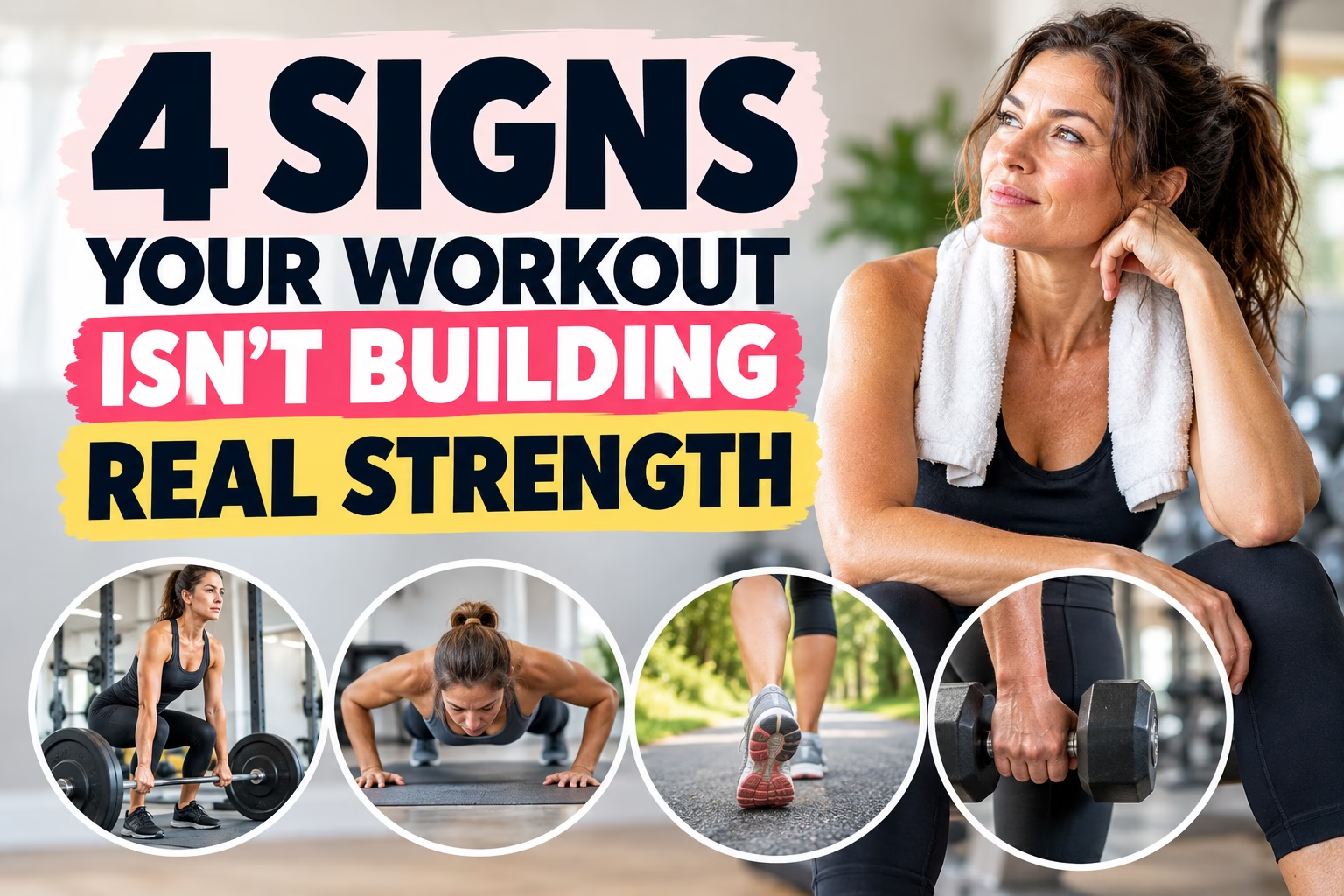
4 Signs Your Workout Isn’t Building Real Strength
You work out regularly, but how do you know whether you’re actually getting stronger?
You might lift weights several times a week, spend 30 minutes on the treadmill, or follow your favorite home workout routine. But here’s something worth thinking about: being active doesn’t always mean you’re building balanced, functional strength.
Real fitness isn’t just about how much weight you can lift or how long you can run. It’s also about how well your body moves, how much control you have, and whether your muscles can handle everyday physical challenges.
For example, you might have strong legs but struggle with push-ups. Or you might enjoy running but find lifting groceries surprisingly tiring.
These differences don’t necessarily mean you’re unfit. They simply show that different activities develop different abilities.
Want to find out where your fitness routine might need improvement? Here are four simple signs to look for, along with practical ways to get stronger.
1. You Struggle With Bodyweight Exercises
One of the easiest ways to evaluate your strength is to see how well you can control your own body weight.
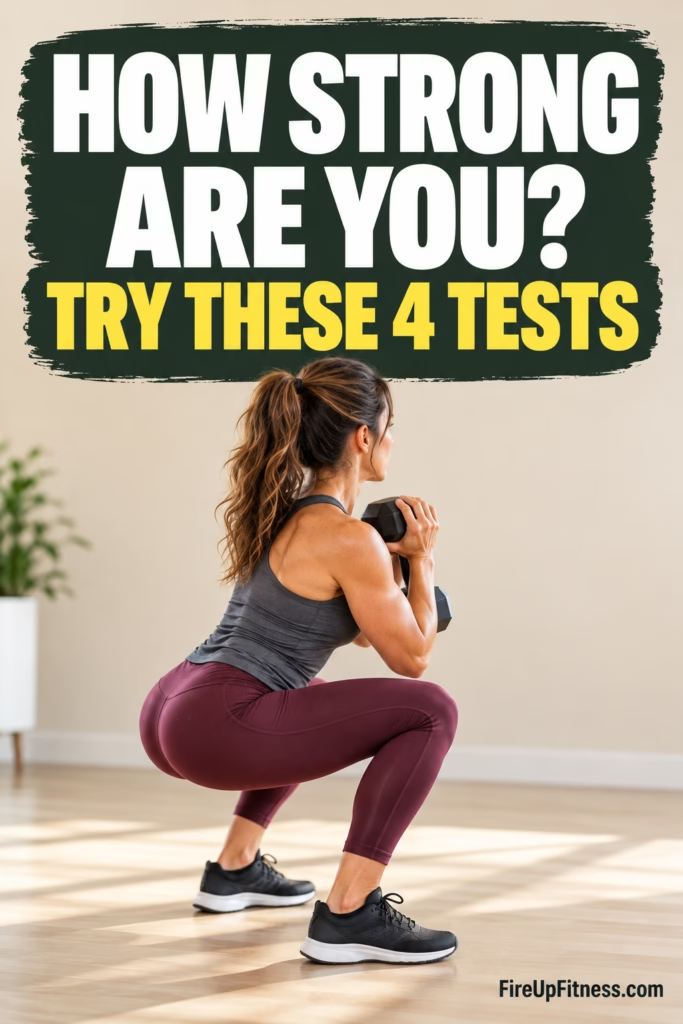
Exercises such as push-ups, squats, and step-ups challenge multiple muscle groups while improving coordination and stability.
You don’t need to lift your entire body weight to prove you’re strong. However, struggling with basic movements may suggest that certain muscles need more attention.
Try this simple strength check:
- Perform 10 controlled bodyweight squats.
- Try 5–10 incline push-ups against a sturdy counter.
- Step onto a low, stable platform 8 times per leg.
Pay attention to your balance, posture, and control rather than rushing through the repetitions.
How to improve: Practice bodyweight exercises two or three times a week. Start with comfortable variations and gradually increase repetitions or difficulty as your strength improves.
Remember, strength isn’t about competing with someone else. It’s about becoming more capable than you were before.
2. You Avoid Deadlifts Because They Feel Too Difficult
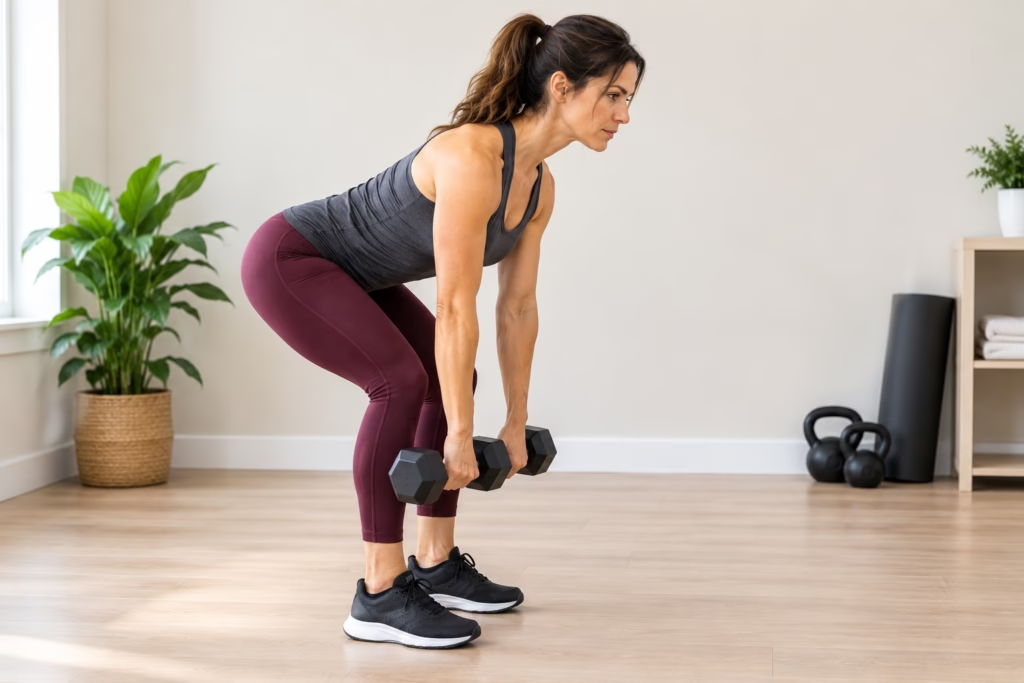
Deadlifts are one of the most useful strength-training exercises because they work several major muscle groups simultaneously.
They primarily challenge your glutes, hamstrings, and back muscles while requiring your core to stabilize your body.
But you don’t have to lift a heavy barbell to benefit.
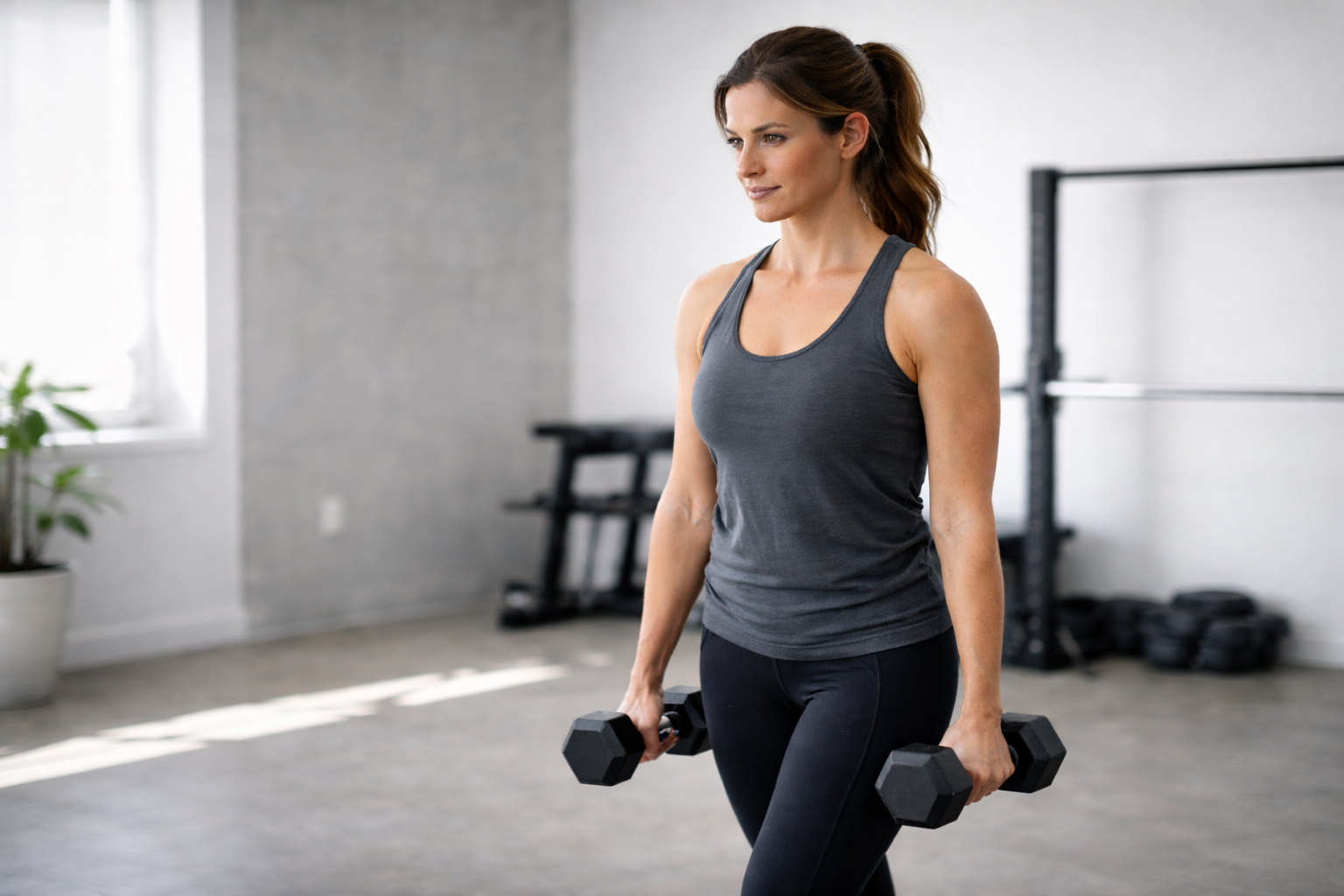
In fact, beginners can start with a simple hip-hinge movement or light dumbbells.
Try this beginner-friendly version:
- Stand with your feet hip-width apart.
- Hold a light dumbbell in each hand, or begin without weights.
- Keep your knees slightly bent.
- Push your hips backward while maintaining a neutral spine.
- Stand tall by driving through your feet and extending your hips.
Start with 2 sets of 8–10 controlled repetitions.
How to improve: Focus on technique before increasing the weight. As your movement becomes more comfortable, gradually add resistance.
If conventional deadlifts aren’t suitable for you, other exercises can develop similar muscles. The goal is stronger movement, not mastering one particular lift.
3. Push-Ups Feel Almost Impossible
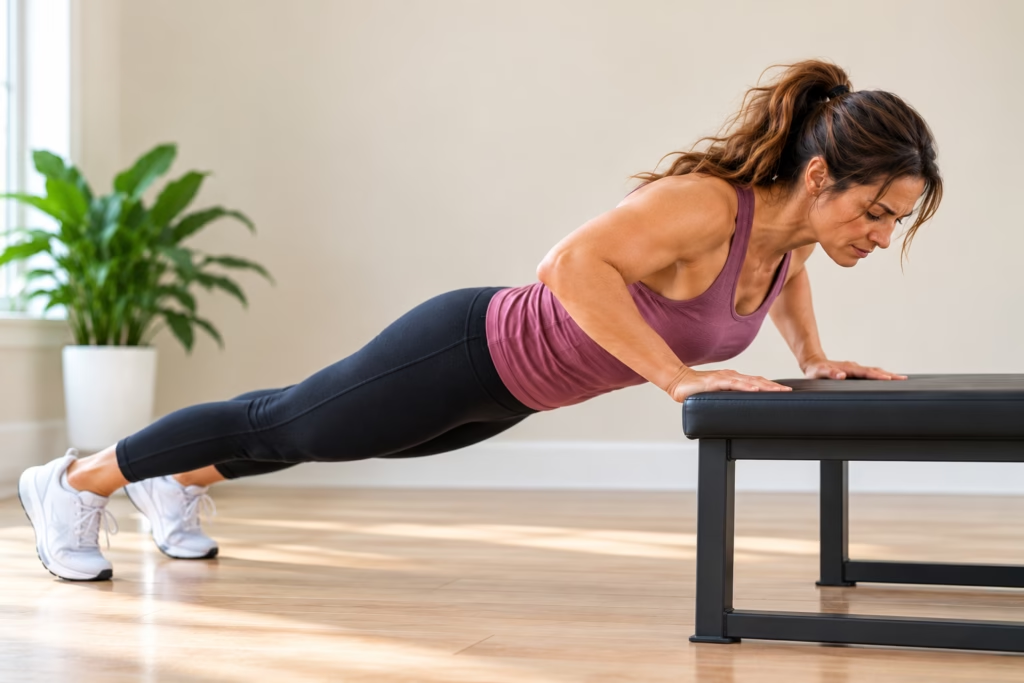
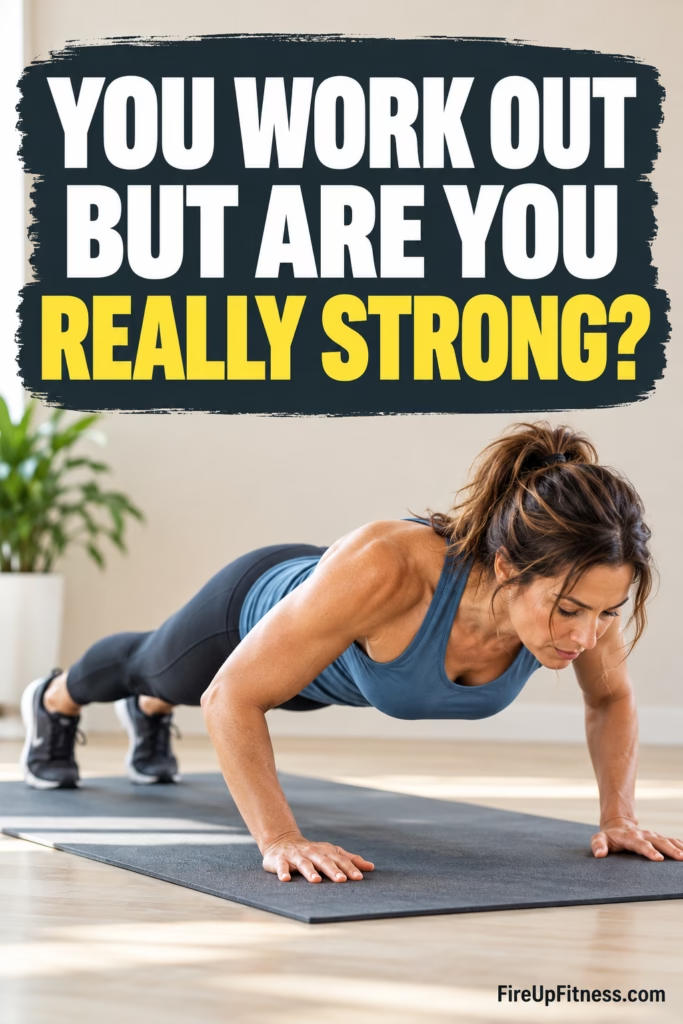
Push-ups might look simple, but they require more strength than many people realize.
They challenge your chest, shoulders, triceps, and core while teaching your body to move as one controlled unit.
And here’s something important: you don’t need to complete 30 or 40 push-ups to be considered strong.
Push-up performance varies with age, training experience, body proportions, and the variation you choose.
Instead of chasing an arbitrary number, focus on doing each repetition correctly.
Try this push-up progression:
- Beginner: Wall push-ups
- Building strength: Countertop push-ups
- Intermediate: Knee push-ups
- More challenging: Standard floor push-ups
Keep your body aligned, lower yourself with control, and avoid letting your lower back sag.
How to improve: Start with 2 sets of 5–8 repetitions using a variation you can perform comfortably. As you get stronger, work toward a lower incline or a more challenging version.
Even a few well-controlled push-ups are meaningful progress.
4. You Get Tired Quickly During Cardio

Strength training is important, but cardiovascular endurance deserves attention, too.
You might be able to lift challenging weights yet feel breathless after a short jog or a few flights of stairs.
That doesn’t automatically mean you’re weak. It may simply indicate that your aerobic fitness needs more work.
Running is one way to improve endurance, but walking, cycling, swimming, and low-impact aerobic exercises can also be effective.
Try this simple endurance check:
Walk briskly for 10–12 minutes at a comfortable but purposeful pace.
Ask yourself:
- Can I maintain a steady pace?
- Can I speak in short sentences without gasping?
- Does the activity feel manageable?
- Am I gradually improving with regular practice?
This isn’t a medical fitness test, but it can help you notice changes in your endurance.
How to improve: Begin with 10–15 minutes of brisk walking. Gradually increase your time or pace as your fitness improves.
You can also alternate one minute of gentle jogging with two minutes of walking if running feels comfortable.
The goal isn’t to reach a specific distance in 12 minutes. It’s to build endurance that makes everyday activities easier.
A Simple Weekly Routine to Build Balanced Strength
You don’t need complicated equipment or long workouts to improve your overall fitness.
This beginner-friendly routine combines strength training and cardiovascular movement.
| Day | Workout |
|---|---|
| Monday | Full-body strength workout, 20 minutes |
| Tuesday | Brisk walking, 20–30 minutes |
| Wednesday | Rest or gentle stretching |
| Thursday | Full-body strength workout, 20 minutes |
| Friday | Brisk walking or cycling, 20–30 minutes |
| Saturday | Optional light activity |
| Sunday | Rest and recovery |
For your strength workouts, try bodyweight squats, incline push-ups, light dumbbell deadlifts, glute bridges, and bird dogs.
Begin with 1–2 sets of 8–12 repetitions for each exercise, adjusting the movements to your ability. Warm up first, and allow time for recovery.
As your fitness improves, work toward the general adult activity guidelines of at least 150 minutes of moderate aerobic activity each week, plus muscle-strengthening activities on at least two days.
Why Balanced Fitness Matters More After 40
As we get older, maintaining muscle strength, mobility, and cardiovascular fitness becomes increasingly important.
A balanced exercise routine can help you:
- Maintain muscle strength as you age.
- Support healthy bones and joints.
- Improve balance and everyday movement.
- Build stamina for daily activities.
- Feel more confident during physical challenges.
You don’t need to become a runner, powerlifter, or fitness expert to enjoy these benefits.
Small improvements in strength and endurance can make a meaningful difference in how you move and feel.
Final Thoughts: Are You Really Getting Stronger?
Being strong isn’t about lifting the heaviest weights, running the fastest mile, or completing an impressive number of push-ups.
It’s about developing a body that can move comfortably, handle physical challenges, and support an active lifestyle.
If one of these four signs sounds familiar, use it as an opportunity to improve your routine rather than a reason to feel discouraged.
Your next fitness goal doesn’t have to be bigger muscles or heavier weights. It can be as simple as doing one more controlled push-up, walking a little farther, or feeling more confident during everyday activities.
Those small victories are worth celebrating.
Which exercise challenges you the most: push-ups, deadlifts, bodyweight movements, or cardio? Share your answer in the comments, and save this guide on Pinterest for your next workout.