Somatic Yoga for Stress Relief and Anxiety Calm
Stress and anxiety have quietly become “normal” for so many of us.
Not the dramatic kind you see in movies—the kind that sits in your shoulders all day. The kind that makes your jaw ache without you realizing you’ve been clenching it. The kind that keeps your mind replaying tomorrow’s to-do list while your body begs for rest.
If you’ve been feeling like your nervous system never gets to fully exhale, I want you to know something right away:
You’re not broken. You’re not weak. And you’re definitely not alone.
Many women are carrying stress in ways that don’t always look obvious. On the outside, you might still be showing up, doing the tasks, keeping everyone else afloat. But on the inside, you’re running on tight nerves and tired energy. It’s exhausting.
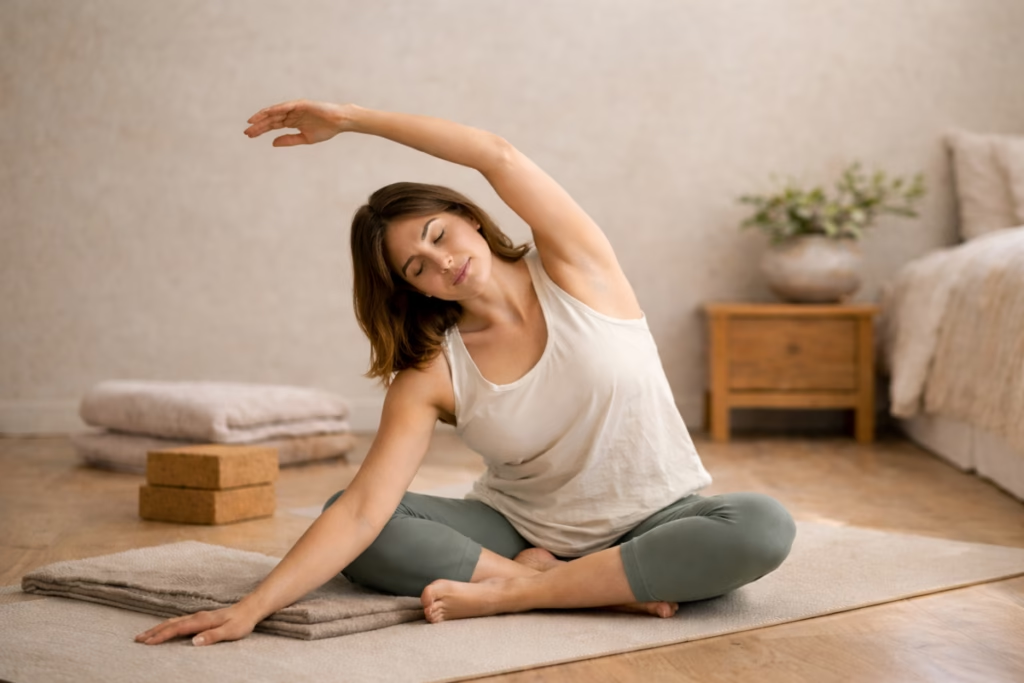
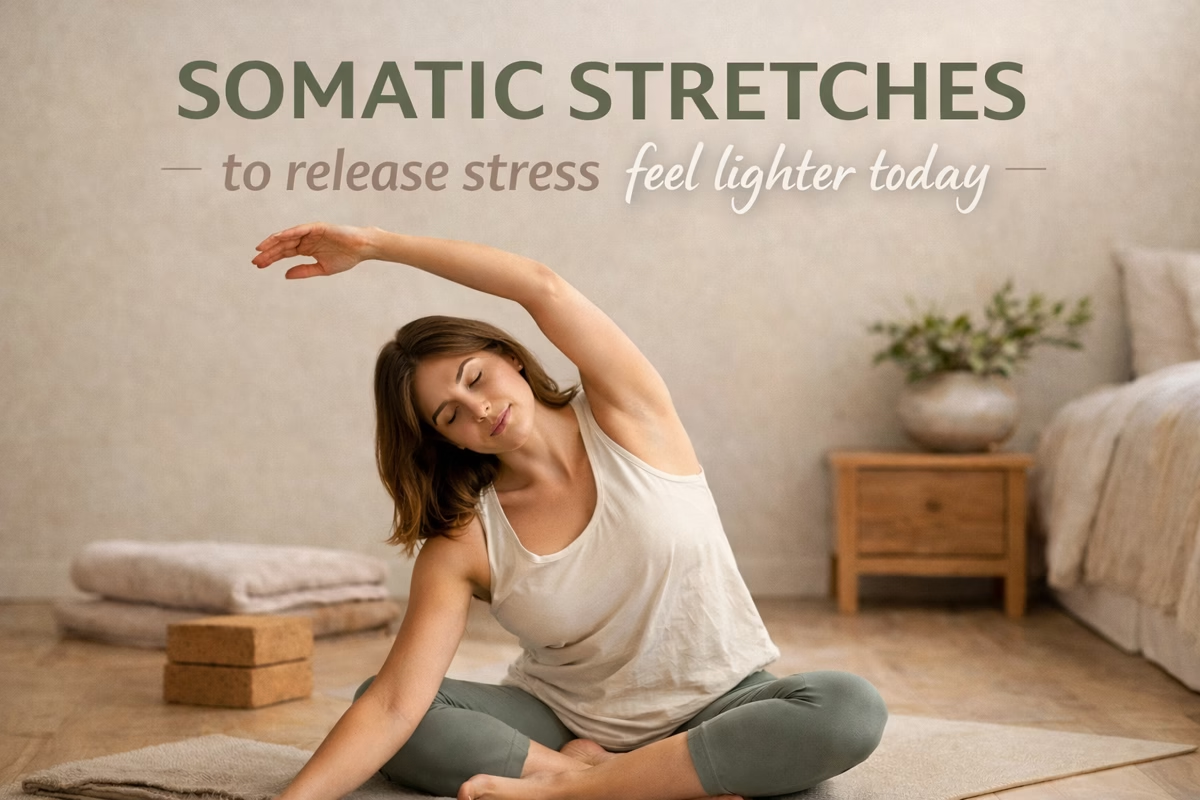
That’s why Somatic Yoga can feel so deeply comforting. It gives you a way to calm anxiety not by forcing your mind to “think positive,” but by helping your body finally let go of the tension it’s been holding.
As the saying goes, “Your body keeps the score.”
Somatic yoga helps you release that score—softly, safely, and gently.
What Is Somatic Yoga?
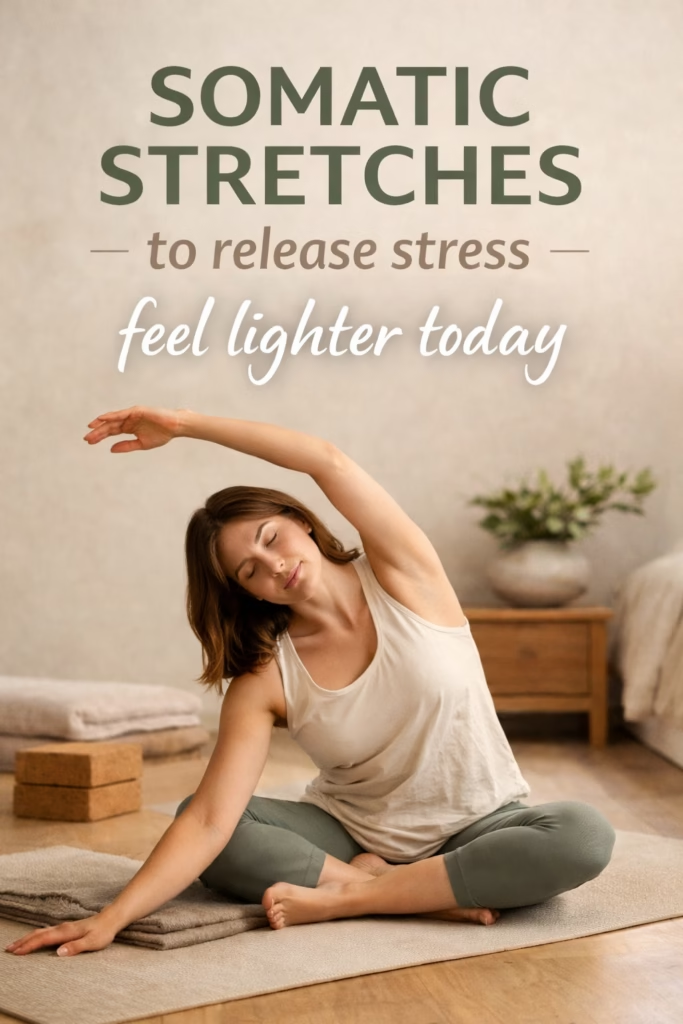
Somatic yoga is slow, mindful movement paired with gentle breathing and deep body awareness.
It’s designed to release stress stored in the muscles and calm the nervous system—without pushing, straining, or rushing.
Why Somatic Yoga Works for Stress and Anxiety
If you’ve ever felt anxious even when nothing “bad” is happening… that’s not you being dramatic.
That’s your nervous system being overloaded.
Stress doesn’t just live in your thoughts. It shows up in your body through tight shoulders, shallow breathing, headaches, digestive discomfort, restless sleep, and constant fatigue. And the frustrating part is this: even if your mind wants to calm down, your body may still be acting like you’re under threat.
Somatic yoga helps break that cycle—because it speaks the language of the nervous system: slow movement, safety, and breath.
The Parasympathetic Connection (Your Calm Switch)
Your nervous system has two main settings:
- Fight-or-flight (stress mode)
- Rest-and-digest (calm mode)
When life gets busy, your body stays in fight-or-flight longer than it should. Even small things—emails, loud environments, multitasking, lack of sleep—can keep you “wired” all day.
Somatic yoga gently activates the parasympathetic nervous system, sending a message to your body:
You are safe right now. You can relax.
This is why people often feel calmer after just 5–10 minutes. It’s not just mental—it’s physical.
Releasing Stored Tension
Have you ever noticed that stress shows up in the same places again and again?
- tight neck
- stiff hips
- heavy chest
- tense lower back
- clenched jaw
That’s because your body learns tension patterns. And once those patterns become “normal,” you don’t even notice you’re carrying them.
Somatic yoga helps your body unlearn those patterns through slow movements and gentle awareness. Instead of stretching harder, it teaches your muscles and nervous system how to soften again.
That’s real stress relief—not temporary distraction.
5 Somatic Yoga Poses for Stress and Anxiety Relief
These poses are beginner-friendly and meant to feel comforting, not challenging. Move slowly. Take your time. If your body asks for rest, listen.
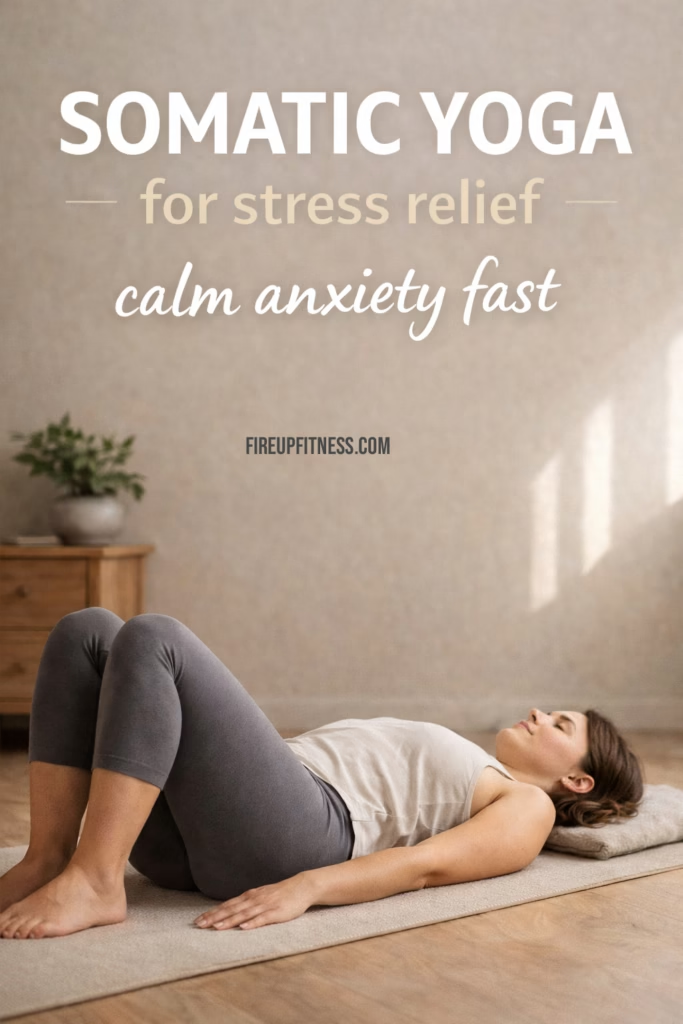
Constructive Rest Pose
How to do it:
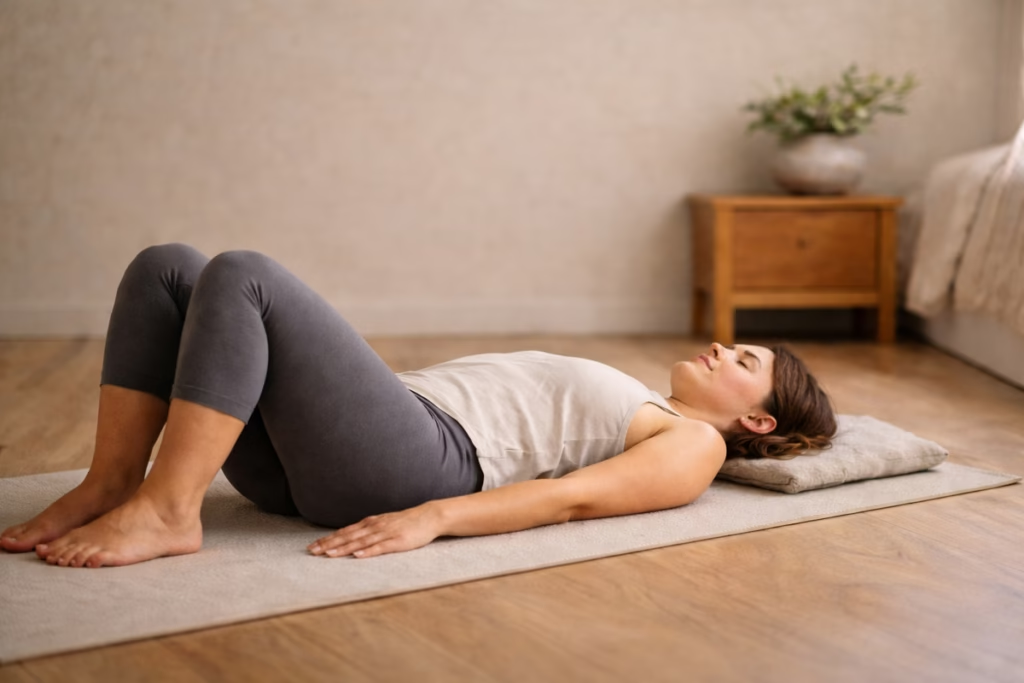
Lie on your back with your knees bent and feet flat on the mat, hip-width apart. Let your arms rest by your sides. Close your eyes and breathe slowly.
Why it works:
This pose instantly signals safety. Your body gets to stop “holding itself up,” and your nervous system gets to settle.
Try this:
Place a folded blanket under your head or a pillow under your knees if your lower back feels tense.
Pelvic Tilts with Breath
How to do it:
Stay on your back in constructive rest. Slowly tilt your pelvis forward and back as you breathe.
- inhale as your lower back slightly arches
- exhale as you press your lower back gently into the mat
Why it works:
This movement is small but powerful. It loosens tension around the hips and lower back—two places stress loves to hide.
Reminder:
Go slower than you think you need to. In somatic yoga, slower is usually better.
Shoulder Release Rolls
How to do it:
Sit or stand tall. Inhale as you lift your shoulders up toward your ears. Exhale as you roll them back and down. Repeat 8–10 times.
Why it works:
Your shoulders are often where you carry the emotional weight of the day—especially if you’re the type who pushes through, even when you’re tired.
A small shift that helps:
Close your eyes and notice how your shoulders feel after every roll.
Cat-Cow Flow (Somatic Version)
How to do it:
Come onto hands and knees. Slowly arch your spine as you inhale (Cow), then round your spine as you exhale (Cat).
Why it works:
This melts tension through the spine and improves breath flow. It also helps calm the mind because your attention stays connected to the movement.
Key detail:
Move slower than you would in a normal yoga class. Think “soft waves,” not “exercise.”
Somatic Savasana with a Body Scan
How to do it:
Lie down flat on your back with arms and legs relaxed. Slowly scan from your head to your toes. Wherever you notice tension, soften it on the exhale.
Why it works:
This is a full nervous system reset. It teaches your body how to release instead of brace.
If your mind wanders:
That’s normal. Just return to your breath gently. No self-judgment.
Breathing Techniques That Make Somatic Yoga Even More Powerful
Somatic yoga becomes even more effective when you pair it with slow breathing. Here are three calming options.
Box Breathing (4-4-4-4)
- inhale for 4
- hold for 4
- exhale for 4
- hold for 4
This is excellent when anxiety feels sharp and your mind is racing.
Extended Exhale Breathing
- inhale for 4
- exhale for 6–8
Longer exhales tell your nervous system you’re safe. It’s one of the fastest ways to shift into calm mode.
Belly Breathing
Place one hand on your chest and one on your belly.
- inhale: belly rises
- exhale: belly lowers
This is perfect for nervous tension, stress eating, and bedtime anxiety.
A Simple 10-Minute Somatic Routine for Daily Calm
If you want a stress relief routine you can actually stick to—even on busy days—this one is realistic and effective.
- Constructive Rest (1 minute)
- Pelvic Tilts with Breath (2 minutes)
- Shoulder Release Rolls (2 minutes)
- Cat-Cow Flow (3 minutes)
- Savasana Body Scan (2 minutes)
That’s it.
No pressure. No perfection. Just a small reset that helps you feel like yourself again.
Because here’s the truth: consistency doesn’t come from doing something hard.
Consistency comes from doing something that feels kind.
The Science Behind Why It Works
Somatic movement, slow yoga, and nervous system regulation practices have been shown to support:
- lower cortisol (stress hormone)
- improved heart rate variability (a marker of resilience)
- reduced activity in the amygdala (your brain’s fear center)
In simple terms: somatic yoga helps your body stop reacting like everything is an emergency.
And for a stressed-out nervous system, that is everything.
A Reminder for the Woman Who’s Been Holding It All Together
Stress relief isn’t about eliminating stress forever.
Life will still have busy weeks. You’ll still have hard days. You’ll still have moments where anxiety sneaks in.
But the real win is this:
Teaching your body how to come back to calm.
One of my favorite reminders is:
“You can’t stop the waves, but you can learn to surf.”
Somatic yoga gives you the surfboard. A steady, gentle practice that helps you regulate—even when life isn’t perfect.
Final Thoughts: You Deserve to Feel Safe in Your Own Body
Somatic yoga for stress and anxiety isn’t just a workout. It’s a nervous system reset. A homecoming.
Even five minutes can help your body soften. Even one deep breath can interrupt the stress loop. Even one gentle movement can remind you: you’re safe.
So roll out your mat, dim the noise for a moment, and give yourself what you’ve been giving everyone else all day—care.
You deserve calm. And it’s closer than you think.