Calorie Dense Foods: What to Eat for Healthy Weight Loss
If weight loss feels harder than it should, you’re not alone.
A lot of women work incredibly hard to “eat clean,” cut portions, and stay consistent… yet still deal with fatigue, stubborn cravings, and a scale that refuses to move.
Here’s the surprising truth:
Sometimes fat loss slows down because you’re under-eating — not overeating.
When your calorie intake stays too low for too long, your body can respond by conserving energy. That can show up as lower workout performance, stronger cravings at night, or that frustrating feeling of “doing everything right” but not seeing results.
That’s why adding the right calorie dense foods can be a secret weapon. Not junk food. Not random overeating. But smart foods that help you build a better, more sustainable healthy calorie intake.
Here, you’ll learn:
- what calorie dense foods really are
- why they can support body fat loss
- how to use them to increase calorie intake without gaining fat
- and the best calorie dense food options to build stronger, easier weight loss meals

What Are Calorie Dense Foods?
Calorie dense foods are foods that pack a lot of calories into a smaller amount of food.
That’s not a bad thing.
In fact, many high-quality, nutritious foods are calorie dense because they contain healthy fats, complex carbs, and nutrient-rich ingredients that your body needs to feel satisfied and energized.
Calorie dense foods matter because weight loss isn’t only about eating fewer calories. It’s about eating the right amount of calories in a way that supports your lifestyle, hormones, energy, and appetite.
Why Calorie Dense Foods Can Actually Help With Weight Loss
Yes, you still need a calorie deficit to lose fat.
But there’s a huge difference between a smart deficit and a painful deficit.
When you create too large of a calorie deficit for too long, your body may respond by:
- lowering your energy levels
- reducing daily movement (without you noticing)
- increasing hunger hormones
- increasing cravings and binge urges
- making it harder to stay consistent
So while you might technically be “eating less,” you may also be burning less, moving less, and craving more.
That is why the right calorie dense foods can support fat loss. They help you:
- maintain workout strength
- reduce hunger dips
- avoid extreme restriction
- stay consistent long-term
Consistency is what burns fat, not suffering.
Healthy Calorie Intake: How Much Should You Eat?
Before adding more calories, it helps to understand whether you’re currently eating too little.
How To Calculate Calorie Intake (Simple Method)
Here is a beginner-friendly formula:
Body weight (lbs) × 14–16 = maintenance calories
Example:
150 lbs × 15 = around 2250 calories/day (maintenance)
Then, for sustainable fat loss:
Maintenance − 250 to 400 calories/day = fat loss calories
So for a 2250 maintenance example:
Fat loss calories could be around 1850–2000.
This matters because many women accidentally drop to 1200–1400 calories and wonder why their cravings explode and their progress slows down.
Calorie Content Of Foods: The Real Reason “Healthy” Doesn’t Always Work
One of the biggest reasons weight loss stalls is because meals look healthy, but they’re not balanced.
For example:
- a huge salad with no fat
- yogurt with fruit but no protein
- vegetables and chicken with no carbs
- soup that doesn’t keep you full
These meals are not bad — they’re just often too low-calorie and not satisfying enough.
Your body doesn’t only respond to “clean food.”
It responds to whether your meals deliver enough:
- protein
- fiber
- healthy fats
- energy
That’s why calorie dense foods are valuable. They help you build meals that are both healthy and complete.
Best Calorie Dense Foods To Eat For Weight Loss
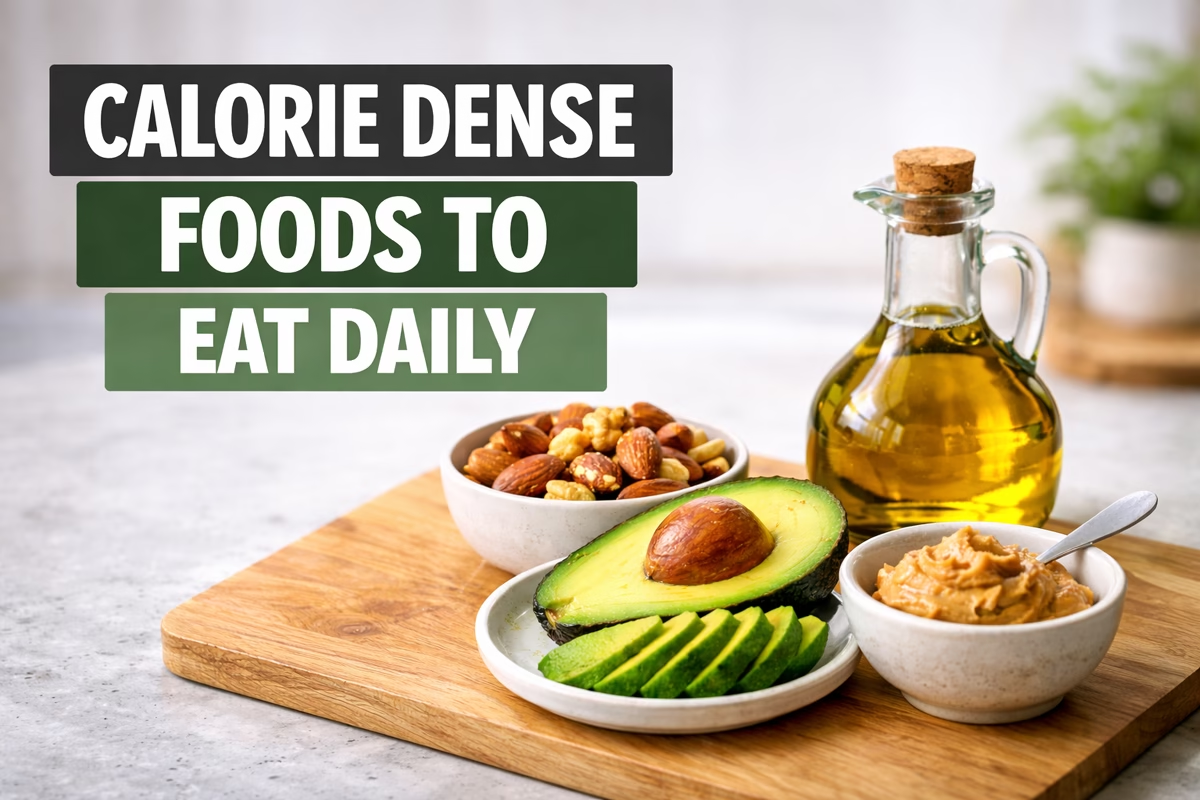
Now let’s break down the best calorie dense foods that can help you build high calorie meals the right way — without sabotaging your goals.
These foods are ideal if you want to:
- increase calories without eating huge portions
- build strength and tone
- reduce hunger and cravings
- support steady body fat loss
1) Nuts and Nut Butter
Nuts are one of the easiest ways to increase calorie intake without feeling stuffed.
A small handful adds a powerful calorie boost and a satisfying dose of healthy fats.
Best options
- almonds
- walnuts
- cashews
- peanut butter
- almond butter
How to use them
- add a spoon of nut butter to oatmeal
- add nuts to yogurt bowls
- blend nut butter into smoothies
- use crushed nuts on salads
Nut butter is especially helpful because it turns “light meals” into satisfying meals quickly.
2) Avocados
Avocados are nutrient-dense, filling, and full of healthy fats that improve satisfaction.
They are also one of the best foods for people who struggle to eat enough calories during the day.
How to use them
- add avocado slices to eggs
- mash into toast with salt and lemon
- add to salad bowls for healthy fats
- blend into smoothies for creaminess
If you feel hungry shortly after eating, adding avocado can change everything.
3) Olive Oil
Olive oil is one of the most underrated calorie dense foods because it boosts calories without increasing food volume.
That means you don’t have to eat more — you simply make your meals more calorie complete.
How to use it
- drizzle on roasted veggies
- add to salads as dressing
- pour into rice bowls for a healthy calorie boost
- cook lean proteins with olive oil instead of dry cooking
A single tablespoon can dramatically upgrade your daily intake.
4) Whole Eggs
Eggs are not only high in calories, they’re also deeply satisfying.
And unlike many low-calorie “diet foods,” eggs help you feel stable — not snacky.
How to use them
- add one extra egg to breakfast
- make egg muffins for meal prep
- add boiled eggs to salads
- pair eggs with toast or potatoes to create a balanced meal
Eggs make it easier to eat a healthy calorie intake without feeling deprived.
5) Oats
Oats are a powerful carb source that supports gym performance, energy, and fullness.
If your weight loss plan leaves you constantly tired, you may need more carbs — and oats are one of the cleanest ways to do that.
How to use them
- oatmeal topped with nut butter and banana
- overnight oats with Greek yogurt
- blend oats into smoothies
- bake oats into bars for a snack option
6) Rice and Potatoes
Rice and potatoes are the backbone of many high calorie meals — especially for women trying to lose fat without feeling restricted.
They are perfect for creating calorie controlled, satisfying meals.
How to use them
- rice bowls with chicken, veggies, and olive oil
- roasted potatoes with eggs for breakfast
- rice with salmon and avocado
- potatoes + lean protein + a drizzle of olive oil
Carbs don’t ruin weight loss. Undereating ruins consistency.
7) Full-Fat Greek Yogurt
Greek yogurt supports appetite control and helps you hit protein goals without feeling hungry all day.
Full-fat versions are more satisfying and calorie-dense, which makes them ideal for sustainable fat loss.
How to use it
- Greek yogurt bowl with nuts and fruit
- mix Greek yogurt with honey and cinnamon
- blend into smoothies for a creamy texture
- use as a healthy topping in place of sugary sauces
8) Salmon and Fatty Fish
Fatty fish is calorie-dense and full of protein.
It supports muscle tone and helps prevent the “skinny but tired” feeling that can happen with extreme dieting.
How to use it
- salmon bowls with rice and vegetables
- salmon salads with olive oil dressing
- salmon with potatoes for a balanced dinner
How To Use Calorie Dense Foods Without Gaining Fat
This is the part most people get wrong.
Calorie dense foods work best when you add them strategically — not randomly.
1) Add calories in small upgrades
Instead of adding another full meal, try:
- 1 tablespoon olive oil
- 1 tablespoon nut butter
- 1 extra egg
- half an avocado
2) Build high calorie meals that are balanced
A strong fat-loss meal usually includes:
- protein
- carbs
- fiber
- healthy fat
Example:
Chicken + rice + vegetables + olive oil
This kind of meal supports energy, strength, and appetite control.
3) Don’t rely on “junk calories”
If your calorie increase comes from:
- cookies
- chips
- sugary coffee drinks
- pastries
You might increase calories but also increase cravings.
That’s why nutrient-dense calorie dense foods matter.
Final Thoughts: Calorie Dense Foods Can Make Weight Loss Easier
Weight loss doesn’t need to feel like punishment.
If you’ve been stuck, tired, and constantly hungry, it might not be willpower — it might simply be your calorie intake.
Adding the right calorie dense foods can help you:
- feel satisfied
- stay consistent
- train harder
- build better meals
- and support steady body fat loss
Because the best fat loss plan is the one you can actually live with.