
Coconut Water Benefits: Why This Natural Drink Is So Good for You
Coconut water has become one of the most talked-about natural beverages in recent years — and for good reason. Refreshing, slightly sweet, and packed with electrolytes, this hydrating drink has earned the nickname “nature’s sports drink.” But beyond quenching thirst, coconut water offers a range of potential health benefits that may support your body in surprising ways.
Whether you enjoy it after a workout, swap it for sugary beverages, or simply want a hydrating drink that feels a little more nutritious, understanding the science behind coconut water benefits can help you make it work for your lifestyle.
In this article, we’ll explore the many ways coconut water can support hydration, heart health, exercise recovery, and more — all while showing you how to enjoy it as part of a balanced routine.
What Is Coconut Water?
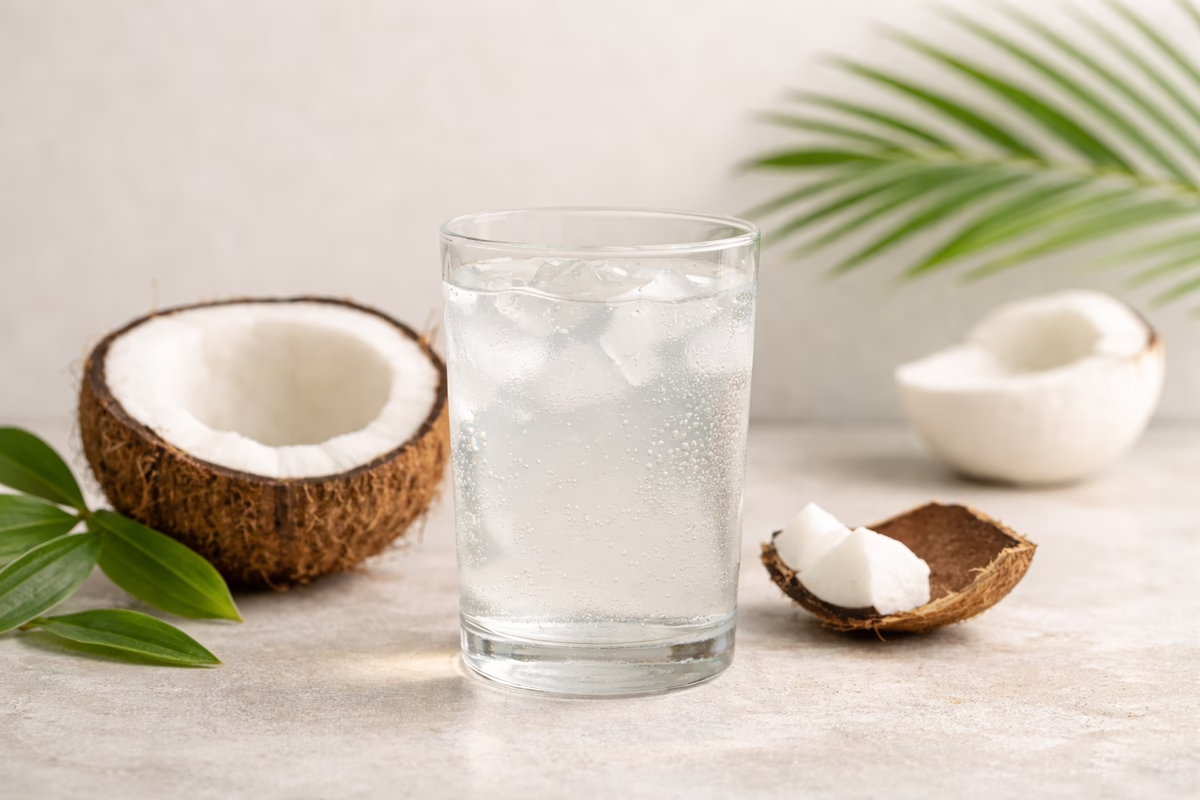
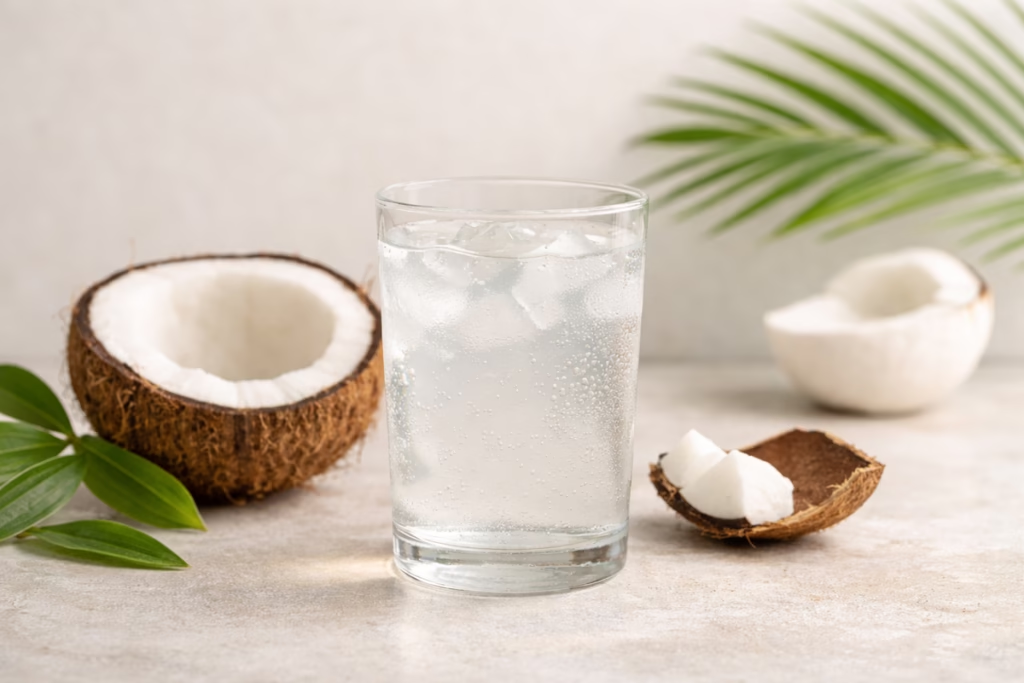
Coconut water is the clear, nutrient-rich liquid found inside young green coconuts. It’s different from coconut milk, which is made by mixing coconut water with shredded coconut flesh. Coconut water is naturally fat-free, low in calories, and contains a variety of minerals and electrolytes, including potassium, sodium, calcium, and magnesium — all of which play vital roles in fluid balance and muscle function.
Because of its unique composition, coconut water is often used as a hydrating drink during exercise or hot weather, but its benefits extend far beyond hydration.
1. Excellent Hydration and Electrolyte Support
One of the most widely recognized coconut water benefits is its ability to help the body stay hydrated. Coconut water contains natural electrolytes like potassium, magnesium, and sodium, which are essential for maintaining fluid balance in the body, especially after sweating during exercise or heat exposure. In fact, some research suggests coconut water may be as effective as sports drinks for rehydration — with a lower calorie and sugar profile.
2. Rich in Potassium — Great for Heart and Blood Pressure Support
Potassium is a key mineral that helps regulate blood pressure by balancing the effects of sodium. Coconut water is particularly rich in potassium — sometimes containing more per cup than bananas — which is why it’s often recommended as part of a heart-healthy diet. A diet that includes potassium-rich foods and beverages like coconut water may help support healthy blood pressure levels, especially in people with high blood pressure.
3. Low-Calorie and Nutrient-Rich Alternative to Sugary Drinks
Unlike many fruit juices and sodas that are high in sugar and calories, pure coconut water is naturally low in calories and typically contains no added sugar if you choose unsweetened varieties.
That makes it a great beverage choice if you’re looking to satisfy thirst with something more flavorful than plain water — without the extra calories from sugary drinks. It’s also fat-free and naturally refreshing.
4. May Help With Exercise Recovery
Because of its electrolyte profile, coconut water is often used as a natural way to replenish minerals lost through sweat during workouts. Electrolytes like potassium and magnesium help with nerve and muscle function, and restoring them after intense activity may support quicker recovery and reduce muscle cramping. Some studies even suggest that coconut water can help improve hydration and performance better than plain water or sports drinks in certain conditions — especially on hot days or after heavier sweating.
5. Potential Blood Sugar Support
Emerging research — primarily in animal models — suggests that coconut water may help support healthy blood sugar regulation by improving insulin function. While more human research is needed, these early findings are promising and point to another potential coconut water benefit worth exploring.
Even so, people living with diabetes should be mindful of the natural sugars in coconut water and talk to their healthcare provider before making it a regular beverage choice.
6. Can Support Kidney and Urinary Health
Staying well-hydrated is a key factor in preventing kidney stones and supporting urinary tract health. Some small studies have shown that coconut water may help reduce the risk of stone formation by increasing urine volume and crucial minerals like citrate and potassium.
While more research in humans is needed, these early findings suggest that coconut water might offer some benefit as part of a kidney-friendly hydration plan.
7. Hydration That May Benefit Skin and Overall Well-Being
Proper hydration isn’t just important for internal systems — it also affects skin health, energy levels, digestion, and mood. By helping maintain fluid balance and providing trace minerals, coconut water can be a refreshing part of your daily hydration habits.
Many people enjoy it as a base for smoothies, as a post-workout drink, or simply on its own throughout the day.
How to Enjoy Coconut Water
- Drink it plain: Enjoy 8–12 ounces chilled after workouts or during warm weather.
- Mix it into smoothies: Use it in place of plain water for extra electrolytes.
- Freeze it: Pour into ice cube trays for a hydrating addition to cold drinks.
- Swap it for sugary beverages: Replace soda or juice with natural coconut water for fewer calories and added electrolytes.
Frequently Asked Questions About Coconut Water Benefits
1. Is coconut water better than plain water for hydration?
Coconut water contains electrolytes that help restore fluid balance, especially after exercise or sweating. For everyday hydration, plain water is still excellent, but coconut water can be a useful complement.
2. Can coconut water help lower blood pressure?
Some evidence suggests that the potassium in coconut water may help support healthy blood pressure levels — but it should be part of a balanced dietary pattern.
3. Is coconut water good for weight management?
Because it’s low in calories and can replace higher-calorie sugary drinks, coconut water may support weight goals when consumed as part of a balanced diet.
4. Does coconut water contain a lot of sugar?
Pure coconut water contains natural sugars, but it is generally lower in sugar than many fruit juices and sports drinks. Always check labels to avoid added sweeteners.
5. Can children or pregnant people drink coconut water?
Yes, in most cases. Coconut water can be a natural hydrating choice, but individuals with specific health conditions should consult a healthcare provider first.
Final Takeaway
Coconut water is more than just a refreshing tropical drink — it’s a naturally hydrating beverage with a range of potential coconut water benefits, from supporting hydration and electrolyte balance to promoting heart health and digestive wellness.
While research continues to evolve, the evidence so far suggests that incorporating pure coconut water into your routine — especially in place of high-sugar drinks — can be a delicious and health-conscious choice.
Just remember: choosing 100% natural, unsweetened coconut water ensures you get the most benefit with the fewest added ingredients.