5 Top Exercises for a Lower Abs Workout That Feels Strong
There’s a specific kind of frustration that comes with lower-belly workouts.
You can feel strong everywhere else. You might even stay consistent with movement. But that lower area? It often feels stubborn, slow to respond, and oddly disconnected from the rest of your core.
Many women notice that traditional ab routines don’t always translate into feeling stable or supported through the lower abdomen. Sometimes the movements feel rushed. Other times they feel like they’re working everything except the area you’re trying to connect with.
That’s usually a sign that the issue isn’t effort — it’s approach.

A thoughtful lower abs workout doesn’t rely on intensity alone. It relies on control, breathing, and movements that help you feel your core working together instead of in pieces. When exercises are chosen carefully, they can support a stronger midsection, better coordination, and the kind of engagement that often contributes to a slimmer waist over time.
The exercises below focus on that idea.
Not chasing exhaustion.
Not chasing burn.
Just steady, intentional movement that builds strength where it matters.
Why Lower Ab Work Often Feels Different
The lower portion of the core plays a quiet but important role in how the body moves. It helps stabilize the pelvis, supports posture, and connects the upper body to the lower body during everyday movement.
When lower-core strength is underdeveloped or rushed through, workouts can start to feel disconnected. You may notice tension in the hips or lower back instead of the abdomen doing the work.
That’s why many effective fat burning workouts include core movements that emphasize control rather than speed. When the lower abs learn to engage properly, everything else tends to feel more supported.
This is also where many women begin to notice changes related to balance, posture, and how the waist feels during daily movement — not just during workouts.
What Makes These Exercises Work Well Together
Rather than isolating one single movement, this routine brings together exercises that challenge the lower core in different ways:
- Controlled knee and leg movement
- Stabilization through the shoulders and hips
- Cross-body coordination
- Gentle, repeatable patterns
These are often considered some of the best exercises for lower belly engagement because they teach the body how to maintain control while moving — a key element in building a strong, supported core.
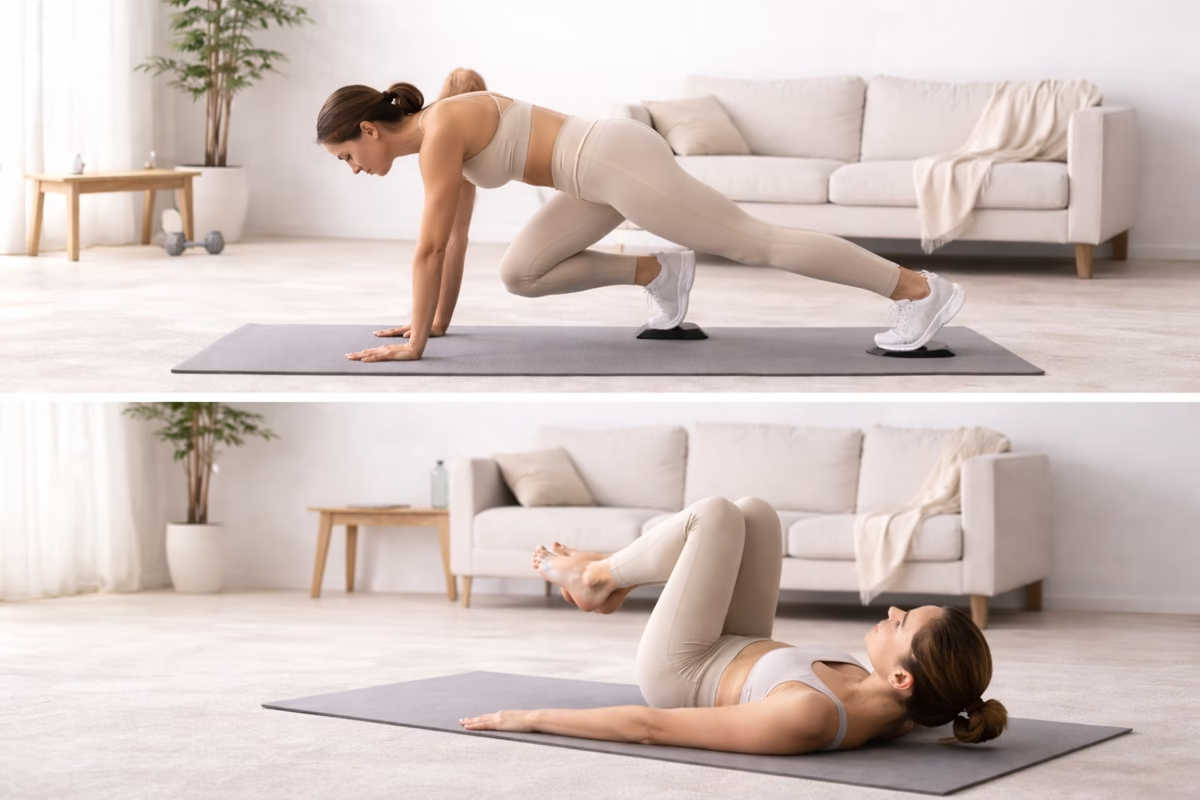
1. Mountain Climbers
Mountain climbers are often associated with fast-paced workouts, but their real value shows up when they’re slowed down.
When done with control, this movement encourages steady lower-core engagement while the upper body stays stable. The focus isn’t speed — it’s maintaining connection through the abdomen as each knee moves in.
Many women notice that mountain climbers feel more effective when they think about drawing the lower belly gently inward rather than rushing through repetitions. This makes them a reliable addition to a lower abs workout that aims for stability instead of strain.
2. Slider Pike
Slider pikes introduce an element of controlled instability, which naturally asks more from the lower core.
As the legs glide inward and upward, the abdominal muscles work to support the movement without collapsing through the hips or shoulders. This controlled motion encourages awareness through the entire midsection.
Slider pikes often feel subtle at first, but they can quickly highlight where strength is still developing. Over time, this exercise supports better coordination and contributes to the kind of core strength associated with a slim waist.
3. Scissor
Scissor movements challenge the lower abs through alternating leg patterns that require sustained engagement.
The key with scissors is keeping the movement grounded. When the legs move slowly and intentionally, the lower abdomen stays active to stabilize the pelvis and prevent unnecessary tension.
This exercise works well for women who want a fat burning workout element without jumping or impact. It emphasizes endurance rather than intensity, which often makes it easier to repeat consistently.
4. Heel Tap
Heel taps are a reminder that effective core work doesn’t need to be complicated.
This movement encourages gentle engagement through the lower abs while the body remains supported on the floor. Because the range of motion is small, it’s easier to focus on form and breathing.
Heel taps are especially helpful for building awareness — learning how it feels when the lower core is truly working. Over time, this awareness carries into other exercises and everyday movement.
5. Cross Body Climber
Cross body climbers introduce rotation, which plays an important role in functional core strength.
As the knee moves toward the opposite side, the lower abs work alongside the obliques to control the movement. This cross-body pattern encourages coordination rather than isolation.
Many women find that exercises like this help the core feel more connected overall, supporting both strength and movement efficiency. It’s a natural fit in routines designed around how to have a slim waist through balanced, repeatable workouts.
How to Approach This Lower Abs Workout
This isn’t about rushing through all five exercises in one intense session.
Some days, two or three movements done with focus will feel like enough. Other days, the full sequence may feel accessible. The goal is consistency — not perfection.
A calm approach often works best:
- Move slowly enough to feel the lower core working
- Rest when form begins to fade
- Focus on breathing rather than pushing through discomfort
These principles tend to support long-term progress far more effectively than high-pressure routines.
The Bigger Picture: Core Strength Beyond Appearance
While many women begin searching for best exercises for lower belly strength because of how they want their midsection to look, the benefits often extend much further.
Improved lower-core strength can support:
- Better posture
- More stable movement
- Reduced strain during everyday tasks
- Increased confidence during workouts
Over time, this kind of foundation makes other workouts feel easier and more effective.
Final Thoughts
A thoughtful lower abs workout doesn’t need to feel exhausting to be effective. When exercises emphasize control, coordination, and steady engagement, they support strength in a way that feels sustainable.
The movements shared here are meant to fit into real routines — adaptable, repeatable, and supportive of long-term consistency. With patience and regular practice, they can become part of a balanced approach to core strength, movement confidence, and overall well-being.