Are Bananas High in Sugar? 5 Common Myths Explained
Bananas have somehow earned a bad reputation in the world of healthy eating. One minute, they’re praised as a nutritious snack. The next, someone on social media is warning you about their sugar content.
So, what’s the truth?
Are bananas really too high in sugar? Should you avoid eating them every day? And are they actually good for your health?
The good news is that bananas are much more than their sugar content. They’re packed with potassium, fiber, vitamin B6, and other nutrients that support your body’s everyday needs.
Before you cross bananas off your grocery list, let’s clear up five common myths about this popular fruit.
1. Myth: Bananas Have Too Much Sugar to Be Healthy
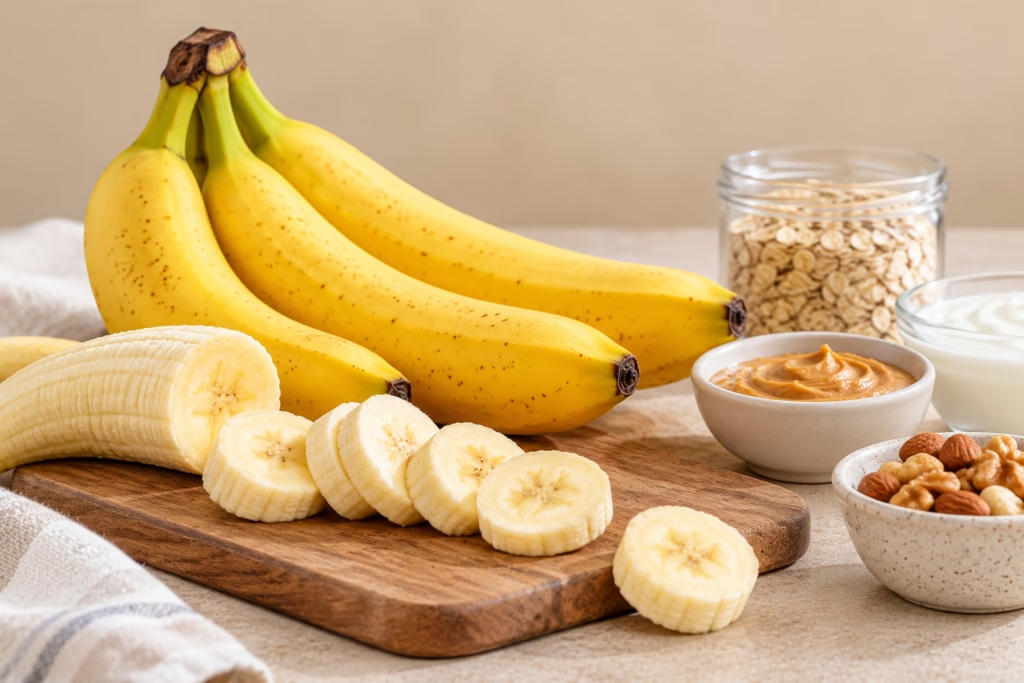
It’s true that bananas contain natural sugar. A medium banana has approximately 14 grams of sugar.
But here’s what many people overlook: the sugar in a whole banana comes packaged with fiber, water, and important nutrients.
Unlike sugary drinks and many processed snacks, bananas contain fiber that helps slow digestion and influences how quickly carbohydrates are absorbed.
Bananas also provide:
- Potassium to support healthy blood pressure and muscle function.
- Vitamin B6 to support metabolism and nervous system health.
- Vitamin C to support normal immune function.
- Fiber to support digestion and regular bowel movements.
The takeaway? Don’t judge a fruit by its sugar content alone. Its overall nutritional value matters much more.
2. Myth: Bananas Cause Unhealthy Changes in Body Composition
You’ve probably heard someone suggest avoiding bananas because they’re rich in carbohydrates.
But carbohydrates aren’t automatically unhealthy. In fact, your body uses them as an important source of energy.
A medium banana contains around 105 calories and 27 grams of carbohydrates, making it a convenient snack before a walk, workout, or busy afternoon.
Bananas also contain fiber, which contributes to feelings of fullness.
Try this: Pair a banana with a spoonful of peanut butter, a handful of nuts, or plain Greek yogurt.
Adding protein or healthy fats can make your snack more satisfying and provide a wider variety of nutrients.
3. Myth: People With Diabetes Should Never Eat Bananas
This is one of the most misleading banana myths.
People with diabetes can often enjoy bananas as part of a balanced eating plan. What matters is the portion size, ripeness, total carbohydrate intake, and individual blood glucose response.
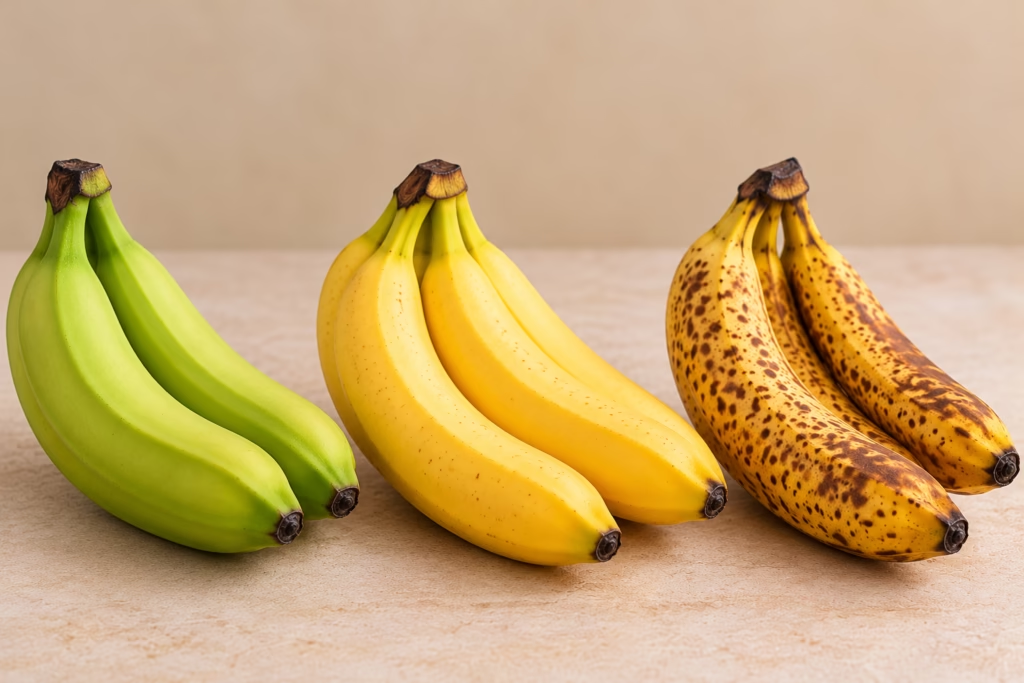
Here’s something interesting: a banana’s ripeness changes its carbohydrate composition.
Slightly green bananas
Contain more resistant starch, which is digested more slowly than ordinary starch.
Ripe yellow bananas
Contain more readily available sugars as starch breaks down during ripening.
Very ripe bananas
Tend to taste sweeter and contain less resistant starch.
For people managing blood sugar, choosing a smaller or less-ripe banana and pairing it with protein may be helpful.
However, bananas are not a treatment for diabetes, and blood glucose responses vary from person to person. Follow your healthcare professional’s guidance for carbohydrate portions.
4. Myth: Bananas Aren’t Good for Heart Health
Actually, bananas can be a heart-friendly addition to your meals.
One medium banana provides approximately 422 milligrams of potassium, a mineral that helps regulate fluid balance and supports normal muscle and nerve function.
Potassium also plays an important role in maintaining healthy blood pressure.
Eating potassium-rich foods, including bananas, as part of a balanced diet may support cardiovascular health.
However, bananas alone cannot prevent heart disease or strokes.
For better heart health, focus on a variety of fruits, vegetables, whole grains, and other nutrient-rich foods.
One important exception: people with kidney disease or those taking certain medications may need to limit potassium. Always follow individualized medical advice.
5. Myth: Bananas Are Just a Quick Energy Snack
Bananas are popular before workouts, but their benefits go beyond providing carbohydrates.
They’re an easy way to add several important nutrients to your daily routine.
For digestion: Bananas contain fiber, including pectin, which supports normal bowel function. Less-ripe bananas also provide resistant starch that can act as a prebiotic.
For muscle function: Potassium helps muscles contract and supports normal nerve signaling.
For everyday energy: Carbohydrates provide fuel, while vitamin B6 helps your body use energy from food.
For overall wellness: Bananas contain vitamin C and other naturally occurring compounds that contribute to a nutritious eating pattern.
Although bananas contain tryptophan, it’s an exaggeration to claim that eating one directly boosts happiness hormones or instantly improves your mood.
Their real benefits are already impressive without making unrealistic promises.
How to Enjoy Bananas in a Healthy Diet
You don’t need complicated recipes to enjoy this nutritious fruit.
Here are a few simple ideas:
- Breakfast: Slice a banana over oatmeal with cinnamon and walnuts.
- Afternoon snack: Enjoy half a banana with plain Greek yogurt.
- Before exercise: Eat a banana for convenient carbohydrate energy.
- Smoothie: Blend banana with milk, berries, and peanut butter.
- Healthy dessert: Freeze banana slices and blend until creamy for a naturally sweet treat.
Remember, variety matters. Bananas are nutritious, but enjoying different fruits throughout the week helps you get a wider range of vitamins, minerals, and beneficial plant compounds.
Frequently Asked Questions About Bananas
Is it okay to eat a banana every day?
For most healthy adults, eating a banana daily is perfectly reasonable as part of a varied diet.
Are bananas healthier when they’re green or yellow?
Both have benefits. Greener bananas contain more resistant starch, while ripe bananas taste sweeter and are often easier to digest.
Can you eat bananas at night?
Yes. There’s no strong evidence that eating a banana at night is inherently unhealthy. Your overall eating habits matter more than the time you enjoy one.
Do bananas cause blood sugar spikes?
Bananas contain carbohydrates and can raise blood glucose. The response depends on ripeness, portion size, what you eat alongside them, and your individual metabolism.
Final Thoughts: Don’t Be Afraid of Bananas
Bananas don’t deserve their unhealthy reputation.
They’re affordable, convenient, naturally sweet, and packed with nutrients that support digestion, muscle function, and overall health.
Instead of worrying about the natural sugar in a banana, focus on building balanced meals and enjoying a variety of whole foods.
Sometimes, healthy eating really can be as simple as peeling a banana.