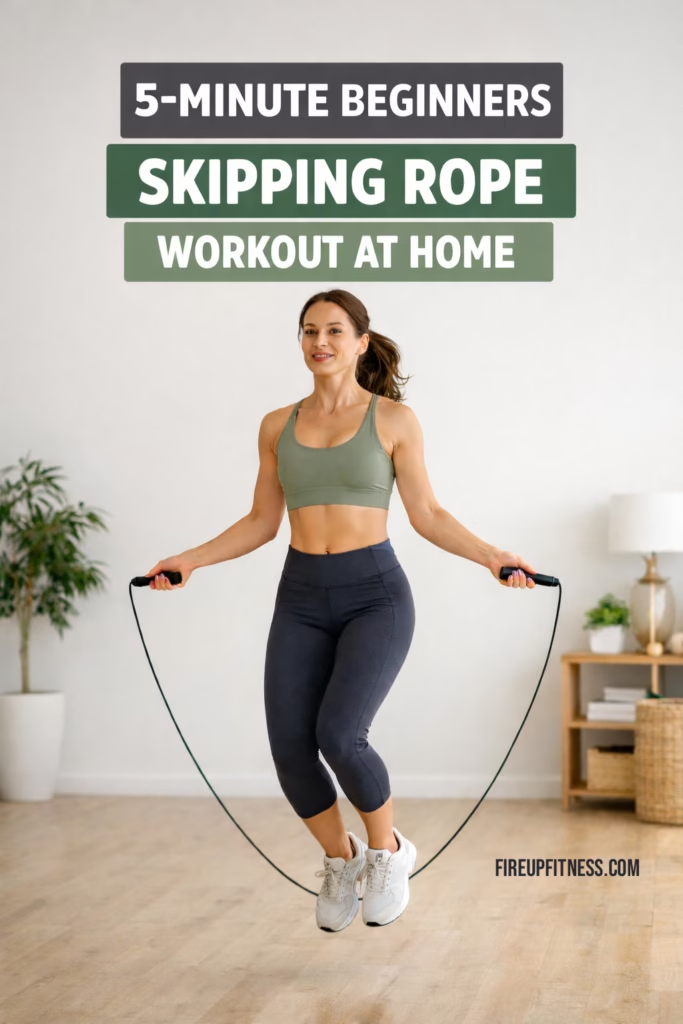
Skipping Rope Workout: A Simple 5-Minute Workout at Home
There’s a moment many people recognize—the quiet decision to move, even when motivation is low.
It might be early in the morning before the day takes over, or late in the evening when energy feels thin. You know your body needs movement, but the idea of a long workout feels heavy. That’s often when fitness gets postponed, not because it doesn’t matter, but because it feels like too much.
A skipping rope workout fits into those moments differently.
It doesn’t demand a schedule, special equipment, or a perfect mindset. It asks for five minutes and a small patch of space. That’s it. Yet in that short time, your heart rate rises, your breath deepens, and your body remembers what it feels like to move with purpose.
This simple form of aerobic exercise has been used for decades—not because it’s trendy, but because it works. In just a few minutes, skipping rope can wake up tired muscles, clear mental fog, and create a sense of momentum that carries into the rest of your day.
For beginners, busy schedules, or anyone rebuilding consistency, a 5-minute skipping rope workout isn’t about pushing harder. It’s about showing up—briefly, realistically, and often enough to make a difference.
What Is a Skipping Rope Workout?
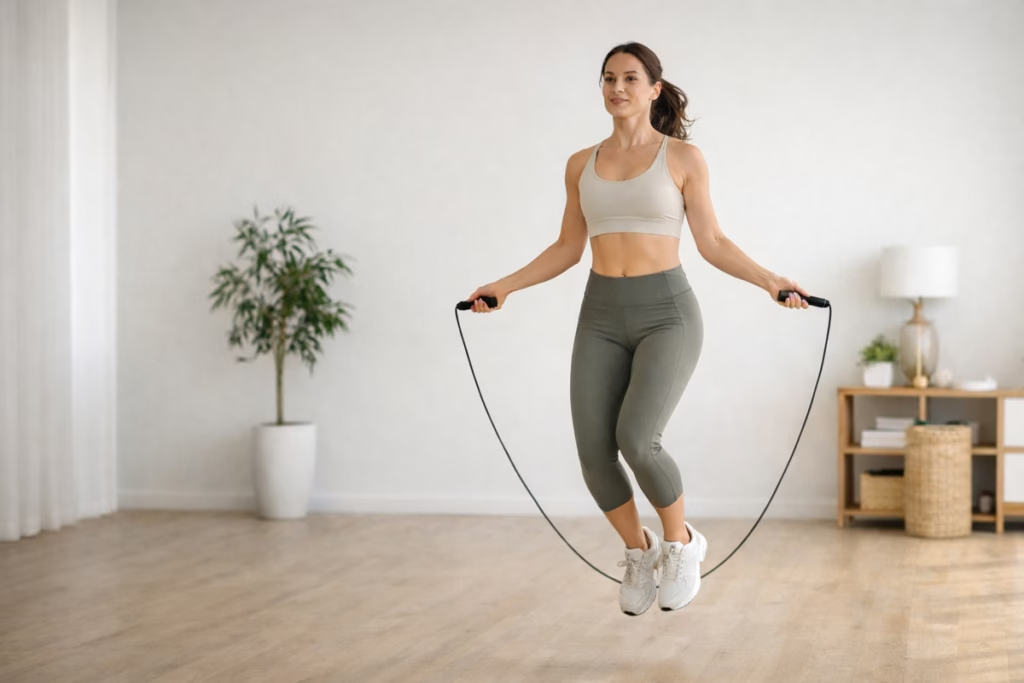
A skipping rope workout involves repeatedly jumping over a rotating rope while maintaining rhythm and control. While the movement is simple, it engages the entire body, including the legs, core, shoulders, and arms. Because it raises your heart rate quickly, it is classified as a highly efficient aerobic exercise.
Unlike many cardio workouts, skipping rope doesn’t require machines, memberships, or large spaces. That simplicity is part of why it remains a staple in boxing, athletic training, and home fitness routines.
Why Skipping Rope Is One of the Most Effective Aerobic Exercises
A skipping rope workout may look simple, but it delivers a wide range of physical and mental benefits—especially when done consistently. Even a short, 5-minute session can have a meaningful impact on overall fitness.
Boosts Cardiovascular Endurance Quickly
Skipping rope is a powerful aerobic exercise that raises your heart rate within seconds. This makes it especially effective for improving cardiovascular endurance in a short amount of time. Regular jump rope workouts help strengthen the heart and lungs, allowing your body to use oxygen more efficiently.
Over time, this can lead to better stamina, less fatigue during daily activities, and improved overall heart health—without long cardio sessions.
Burns Calories Efficiently in Less Time
One of the biggest benefits of skipping rope exercise is how efficiently it burns calories. Because it engages multiple muscle groups at once and keeps the heart rate elevated, skipping rope can deliver a high calorie burn in just a few minutes.
This makes it an excellent option for busy schedules or for people who struggle to stay consistent with longer workouts. Short, frequent sessions can still contribute to fat loss when paired with proper nutrition.
Supports Fat Loss and Flat Belly Goals
While no workout can target belly fat alone, a skipping rope workout supports overall fat loss, which is key for achieving a flatter midsection. Jumping rope increases total energy expenditure and boosts metabolism, helping the body burn stored fat more effectively.
In addition, maintaining balance and posture while jumping naturally engages the core muscles. Over time, this contributes to better core strength and a more toned appearance when combined with healthy eating and strength training.
Improves Coordination, Balance, and Agility
Skipping rope requires timing, rhythm, and control. Each jump trains your brain and body to work together, improving coordination and balance. This benefit is especially valuable for beginners, as it enhances movement awareness and overall body control.
Better coordination can also carry over into other workouts, sports, and everyday movements, reducing the risk of falls or missteps.
Strengthens Lower Body and Supporting Muscles
A skipping rope workout places repeated but controlled stress on the calves, ankles, feet, and legs. This helps strengthen these muscles over time, improving stability and resilience. Stronger ankles and calves are especially important for joint support and injury prevention.
At the same time, the shoulders, arms, and wrists stay active as they control the rope, creating a balanced full-body workout.
Encourages Bone Strength Through Impact
Jump rope is a weight-bearing exercise, which means it places healthy stress on the bones. This type of movement can help support bone density over time, particularly when performed with proper form and supportive footwear.
For many adults, especially women, incorporating impact-based exercise like skipping rope can be a smart way to support long-term bone health.
Enhances Mental Focus and Mood
The rhythmic nature of jumping rope requires concentration, which helps sharpen focus and mental clarity. Many people find skipping rope surprisingly meditative once they get into a rhythm.
Like other aerobic exercises, it also supports the release of endorphins—helping reduce stress, improve mood, and increase motivation to stay active.
Easy to Do Anywhere, Anytime
One of the most underrated benefits of a skipping rope workout is convenience. It requires minimal space, minimal equipment, and very little setup. This removes many common barriers to exercise and makes it easier to stay consistent.
A simple 5-minute workout at home can be just as effective as longer routines when done regularly.
Beginner Tips for a Safe Skipping Rope Workout
- Use a rope that fits your height. When stepping on the middle of the rope, the handles should reach roughly chest level.
- Wear supportive shoes to reduce stress on the joints.
- Jump low and land softly to minimize impact.
- Keep movements controlled and relaxed rather than fast or aggressive.
- Start with short sessions and gradually increase duration as comfort improves.
Adding Jump Rope Tricks Over Time
Once basic jumps feel comfortable, you can slowly introduce simple jump rope tricks to keep workouts interesting. These may include alternating foot steps, side-to-side movements, or gentle high-knee variations.
Adding variety not only prevents boredom but also increases coordination and cardiovascular challenge without extending workout time.
Combining Skipping Rope with Other Workouts
A skipping rope workout works well alongside strength training, yoga, or bodyweight exercises. Many people use it as a warm-up, finisher, or quick standalone session on busy days.
When combined with balanced nutrition and regular movement, skipping rope can be an effective tool for long-term fitness and fat loss.
Why a 5-Minute Skipping Rope Workout Works
This free video of skipping rope workout demonstrates a short, beginner-friendly skipping rope workout designed for people who are new to jumping rope or returning after a break. The focus is not on intensity or advanced tricks, but on rhythm, posture, and maintaining steady movement.
What makes this approach effective is its simplicity. The routine shows that you don’t need long workouts or high impact to benefit from skipping rope. Instead, it emphasizes consistency, relaxed movement, and building confidence with the rope.
This type of routine is especially useful for beginners who feel intimidated by fast-paced cardio workouts. It reinforces the idea that short, manageable sessions are enough to make progress.
Final Thoughts
A skipping rope workout proves that effective fitness does not need to be complicated. With minimal equipment and just a few minutes a day, you can improve cardiovascular health, support fat loss, and build coordination at home.
Whether you follow the video routine or create your own beginner-friendly pace, the key is consistency. Start small, stay relaxed, and allow progress to happen naturally.