
Low Cortisol Diet: 7-Day Meal Plan to Reduce Stress Naturally
You’re eating healthier. You’re trying to exercise regularly. You’re watching portions, drinking more water, and doing your best to stay consistent.
Yet somehow, you still wake up tired. Your stomach feels bloated by the end of the day, cravings seem to appear when you’re stressed, and losing body fat—especially around your midsection—may feel harder than it used to.
For many women, particularly during busy or stressful seasons of life, the answer isn’t necessarily to eat less or exercise harder. It may be worth looking at something that often gets overlooked: chronic stress and the habits surrounding it.
One of the hormones involved in your body’s stress response is cortisol.
Cortisol isn’t a “bad” hormone. In fact, you need it. Your adrenal glands naturally produce cortisol to help regulate your stress response, metabolism, blood pressure, inflammation, and sleep-wake cycle. Cortisol normally rises and falls throughout the day.
The problem is that modern life can make it difficult to truly switch off.
Poor sleep, demanding schedules, emotional stress, restrictive dieting, excessive exercise, irregular meals, and relying on caffeine to push through exhaustion can all add to your overall stress load.
Over time, chronic stress can also influence appetite, sleep, food choices, digestion, and where some people tend to store body fat. That doesn’t mean every stubborn belly is a “cortisol belly,” or that one particular food can magically lower cortisol. Body composition is influenced by many factors, including total calorie intake, activity, genetics, age, hormones, sleep, and overall health.
But supporting your body with regular, balanced meals can be one practical part of a healthier stress-management routine.
That’s the idea behind this low cortisol diet meal plan.
Rather than another restrictive diet, think of it as a calmer approach to eating—one built around nourishing whole foods, adequate protein, fiber-rich carbohydrates, healthy fats, fruits, vegetables, and consistent meals.
There’s no complicated calorie counting. No cutting out entire food groups. And no expectation that you have to eat perfectly for seven straight days.
Instead, the focus is on creating meals that help you:
- Maintain steadier energy throughout the day
- Get enough protein and fiber
- Avoid becoming excessively hungry between meals
- Support digestive and overall health
- Reduce reliance on highly processed convenience foods
- Build an eating routine that feels sustainable rather than stressful
And perhaps most importantly, this approach takes away some of the pressure.
Because when life already feels stressful, your eating plan shouldn’t become another source of stress.
The following 7-day low cortisol diet meal plan gives you simple breakfast, lunch, dinner, and snack ideas you can mix, match, and adjust according to your appetite and lifestyle.
Consider it a starting point—not a set of rigid rules.

What Is a Low Cortisol Diet?
A low cortisol diet focuses on foods and eating patterns that help your body move out of survival mode.
Instead of pushing harder, it emphasizes:
- Blood sugar stability
- Anti-inflammatory nourishment
- Gut healing
- Nervous system support
The goal is simple: lower cortisol naturally so your body can finally relax.
When cortisol comes down, many people notice:
- Reduced cortisol belly
- Less bloating and inflammation
- Better energy throughout the day
- Fewer cravings and crashes
- Improved sleep and mood
This is not about restriction. It’s about regulation.
Why Cortisol Belly Is So Common (Even With Healthy Eating)
When cortisol stays high, your body prioritizes survival over fat loss.
High cortisol can:
- Increase fat storage around the abdomen
- Break down muscle tissue
- Disrupt digestion and gut health
- Create blood sugar swings that drive cravings
That’s why aggressive dieting or intense workouts often backfire.
They add more stress to a system that’s already overwhelmed.
Reducing cortisol naturally means shifting from control to support.
Foods That Lower Cortisol Levels Naturally
A low cortisol diet is built around foods that send calming signals to the body.
Healthy Fats
Avocados, olive oil, nuts, seeds
These support hormone balance and reduce inflammation.
Anti-Inflammation Foods
Leafy greens, berries, turmeric, ginger
These are ideal for an anti inflammation breakfast or gentle meals throughout the day.
Gentle, Nourishing Carbohydrates
Oats, rice, quinoa, sweet potatoes
Carbohydrates help lower cortisol, especially when paired with protein.
Gut-Healing Recipes
Soups, stews, fermented foods, yogurt
A healthy gut plays a direct role in stress regulation.
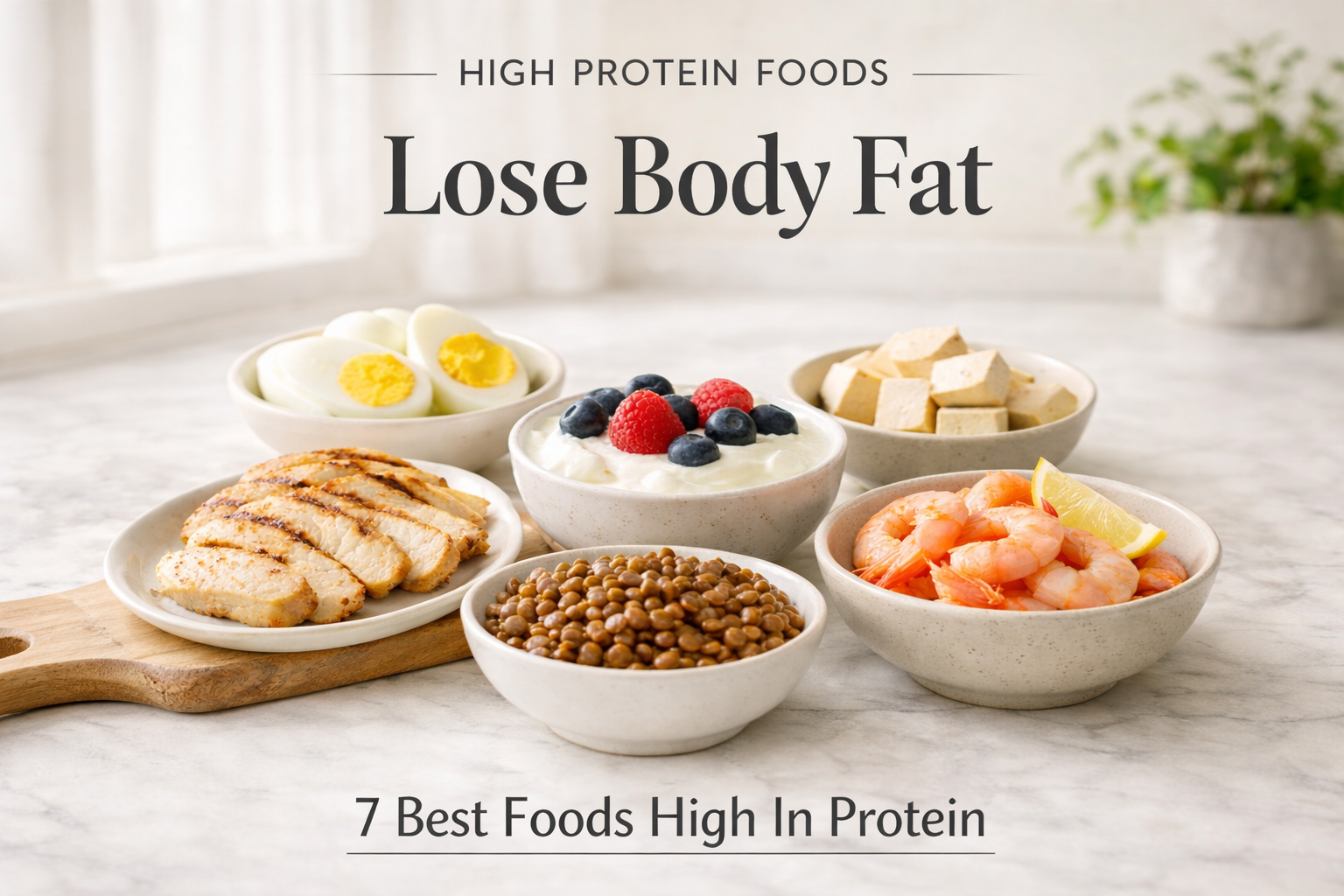
High-Quality Protein
Eggs, fish, chicken, lentils, tofu
Protein stabilizes blood sugar and prevents cortisol spikes.
Foods to Limit When Cortisol Is High
This isn’t about elimination — just awareness.
- Excess caffeine, especially on an empty stomach
- Skipping meals
- Ultra-processed foods
- Very low-carb or restrictive diets
- Late-night sugar-heavy snacks
Even “healthy” habits can raise cortisol when timing and balance are off.
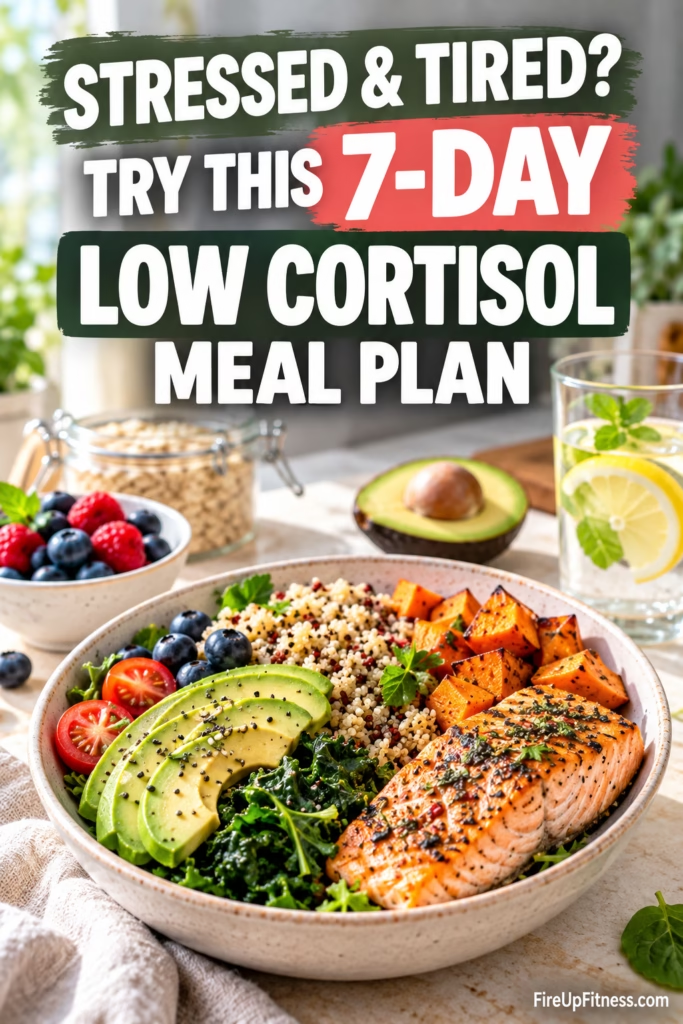
7-Day Low Cortisol Diet Meal Plan
You don’t need specialty foods or complicated recipes to build meals that support a less stressful lifestyle.
For this 7-day low cortisol diet meal plan, the goal is simple: create balanced meals using protein, fiber-rich carbohydrates, colorful produce, and healthy fats while eating consistently enough to avoid the cycle of getting extremely hungry and then reaching for whatever is quickest.
Portion sizes will vary depending on your appetite, activity level, age, and individual nutritional needs, so use this plan as a flexible framework rather than a strict prescription.
Water can be your main beverage throughout the week. Herbal tea, sparkling water, milk, or other unsweetened beverages can also fit into the plan.
Here’s what a week could look like.
Day 1: Start With Simple, Satisfying Foods
Breakfast: Berry Almond Oatmeal
Prepare a warm bowl of oatmeal and top it with blueberries, strawberries, or raspberries. Add a spoonful of chia seeds and almond butter for healthy fats and additional staying power.
Oats provide complex carbohydrates and soluble fiber, while berries add antioxidants and natural sweetness. Adding nuts, seeds, Greek yogurt, or milk can make breakfast more satisfying.
Lunch: Roasted Vegetable Quinoa Bowl
Build a colorful bowl with cooked quinoa, roasted broccoli, bell peppers, zucchini, carrots, or whatever vegetables you already have.
Add chickpeas, chicken, tofu, or another protein source. Finish with olive oil, lemon juice, herbs, and a small sprinkle of pumpkin or sunflower seeds.
This is also an excellent meal-prep lunch because most of the ingredients can be prepared ahead of time.
Dinner: Salmon, Sweet Potato and Greens
Bake salmon with lemon, garlic, and herbs and serve it alongside a roasted sweet potato and sautéed spinach, kale, or broccoli.
Salmon provides protein and omega-3 fatty acids, while the sweet potato supplies satisfying carbohydrates and fiber.
Optional snack: Apple slices with peanut or almond butter.
Day 2: Focus on Fiber and Gut-Friendly Foods
Breakfast: Greek Yogurt Breakfast Bowl
Start with plain Greek yogurt and add berries, chopped walnuts, chia seeds, cinnamon, and a small drizzle of honey.
For extra fiber, add a few spoonfuls of oats or a low-sugar granola.
Lunch: Hearty Lentil Vegetable Soup
Make a comforting soup using lentils, carrots, celery, tomatoes, spinach, onion, garlic, and herbs.
Lentils provide a useful combination of plant-based protein and fiber, making soup surprisingly filling. Serve it with whole-grain toast or crackers if you need a more substantial meal.
Dinner: Tofu and Vegetable Rice Bowl
Lightly stir-fry tofu with broccoli, mushrooms, bell peppers, carrots, and snap peas. Serve over brown or white rice and season with ginger, garlic, and a moderate amount of low-sodium soy sauce or tamari.
White rice is perfectly acceptable here if you prefer it or find it easier to digest.
Optional snack: Banana with a small handful of walnuts.
Day 3: Build Meals for Steady Energy
Breakfast: Anti-Inflammatory Green Smoothie
Blend banana, berries, spinach, ground flaxseed, Greek yogurt, and milk or an unsweetened fortified plant-based milk.
Add cinnamon or fresh ginger for extra flavor.
Rather than making a fruit-only smoothie, including protein and healthy fat can make breakfast more satisfying and help you stay full longer.
Lunch: Chicken and Avocado Wrap
Fill a whole-grain tortilla with sliced chicken, avocado, lettuce, cucumber, tomato, and shredded carrots.
Add hummus or a yogurt-based dressing for extra flavor.
Serve it with a piece of fruit or a handful of berries for an easy lunch that works well on busy days.
Dinner: Mediterranean Vegetable Pasta
Prepare whole-grain or brown rice pasta and toss it with tomatoes, spinach, zucchini, mushrooms, garlic, olive oil, and herbs.
Add white beans, chicken, shrimp, or tofu for protein.
Finish with a little Parmesan if desired.
Optional snack: Carrots and cucumber with hummus.
Day 4: Prioritize Protein at Breakfast
Breakfast: Eggs, Spinach and Whole-Grain Toast
Scramble two eggs with spinach, mushrooms, or tomatoes and serve them with whole-grain toast.
Add avocado or a small serving of fruit on the side.
Starting your morning with a combination of protein, carbohydrates, and healthy fat can be more satisfying than grabbing coffee and waiting several hours before eating.
Lunch: Mediterranean Chickpea Salad
Combine chickpeas, cucumber, tomato, leafy greens, red pepper, parsley, and avocado.
Drizzle with a simple dressing made from tahini, lemon juice, olive oil, and a splash of water.
For additional carbohydrates, serve with whole-grain pita or quinoa.
Dinner: Slow-Cooked Vegetable and Bean Stew
Combine beans or lentils with carrots, potatoes, tomatoes, celery, zucchini, onion, garlic, and your favorite herbs.
Let everything simmer until tender.
Warm, simple meals like this are easy to batch cook, meaning tomorrow’s lunch may already be taken care of.
Optional snack: Greek yogurt topped with cinnamon and berries.
Day 5: Keep Healthy Eating Convenient
Breakfast: Cinnamon Overnight Oats
The night before, combine oats, chia seeds, milk, cinnamon, and Greek yogurt in a jar.
Refrigerate overnight and top with berries, banana slices, or chopped nuts in the morning.
This is an especially useful breakfast when mornings are rushed because there’s nothing to cook.
Lunch: Sweet Potato and Black Bean Bowl
Fill your bowl with roasted sweet potato, black beans, spinach or mixed greens, tomatoes, avocado, and a scoop of quinoa or brown rice.
Finish with lime juice and a spoonful of plain Greek yogurt or tahini dressing.
Dinner: Grilled Fish With Quinoa and Vegetables
Grill or bake salmon, trout, cod, or another fish you enjoy.
Serve with quinoa and roasted vegetables such as Brussels sprouts, broccoli, asparagus, carrots, or zucchini.
Drizzle the vegetables with olive oil rather than trying to make dinner excessively low-fat.
Optional snack: Pear with a handful of almonds.
Day 6: Make It Easy to Stay Consistent
Breakfast: Cottage Cheese and Berry Bowl
Top cottage cheese with blueberries, strawberries, raspberries, ground flaxseed, and chopped walnuts.
Add a piece of whole-grain toast or a small serving of oats if you need additional energy in the morning.
Not a cottage cheese fan? Plain Greek yogurt works just as well.
Lunch: Miso Tofu Soup Bowl
Prepare miso soup with tofu, mushrooms, bok choy or spinach, green onions, and other vegetables.
Add noodles or serve it alongside rice to turn a light soup into a more complete meal.
Because miso can contain a significant amount of sodium, you don’t need to add much additional salt.
Dinner: Chicken, Rice and Roasted Vegetables
Keep dinner uncomplicated: roasted or grilled chicken, rice, and a large serving of colorful vegetables.
Add olive oil, avocado, tahini, or another healthy fat to round out the meal.
Simple meals are often easier to maintain than elaborate “diet recipes,” especially at the end of a busy week.
Optional snack: Whole-grain crackers with hummus.
Day 7: Slow Down and Use What You Have
Breakfast: Berry Smoothie Bowl
Blend frozen berries, banana, Greek yogurt, and a small amount of milk until thick.
Pour into a bowl and top with chia seeds, pumpkin seeds, walnuts, oats, or sliced fruit.
Try eating it with a spoon rather than drinking it quickly. Slowing down and actually sitting for meals can make eating feel more satisfying.
Lunch: Leftover Vegetable and Bean Stew
There is no reason every meal needs to be prepared from scratch.
Warm up the vegetable stew from earlier in the week and pair it with whole-grain bread, avocado toast, or a simple side salad.
Using leftovers can reduce both food waste and the daily pressure of deciding what to eat.
Dinner: Homemade Chicken or Vegetable Soup
Finish the week with a comforting homemade soup.
Use chicken or beans for protein and add vegetables such as carrots, celery, spinach, potatoes, zucchini, or tomatoes. Barley, brown rice, quinoa, or whole-grain noodles can make it more substantial.
Serve with a slice of whole-grain bread and olive oil.
Optional snack: Banana with peanut butter or Greek yogurt with fruit.
The Simple Formula Behind the 7-Day Plan
You don’t have to follow every meal exactly to benefit from this style of eating.
When building your own meals, think about including four basic components:
Protein + fiber-rich carbohydrate + vegetables or fruit + healthy fat
For example:
Chicken + brown rice + broccoli + olive oil
Eggs + whole-grain toast + berries + avocado
Greek yogurt + oats + blueberries + walnuts
Salmon + sweet potato + spinach + olive oil
Lentils + quinoa + roasted vegetables + tahini
This simple formula gives you dozens of possible combinations without requiring you to follow a rigid menu.
What About Snacks?
Snacks aren’t mandatory.
But when there is a long stretch between meals or you are genuinely hungry, having a balanced snack available can prevent you from reaching the point where you feel ravenous.
Good options include fruit with nut butter, Greek yogurt and berries, hummus with vegetables, nuts with fruit, cottage cheese with berries, or a hard-boiled egg with whole-grain crackers.
Try pairing carbohydrates with protein or healthy fat rather than relying on something sugary by itself.
What Should You Drink?
Water should make up most of your fluids, but you don’t have to force yourself to drink excessive amounts.
You can also enjoy herbal tea, sparkling water, milk, or unsweetened fortified plant-based milk.
Coffee doesn’t necessarily need to disappear from a low cortisol eating routine either. However, people who notice that caffeine worsens anxiety, shakiness, sleep problems, or digestive symptoms may benefit from reducing the amount they drink or avoiding it later in the day.
Meal Prep Tip: Make the Week Easier, Not Perfect
One of the easiest ways to follow this 7-day low cortisol meal plan is to prepare a few basics rather than cooking seven days of complete meals in advance.
At the beginning of the week, consider preparing:
- One pot of quinoa or rice
- A tray of roasted vegetables
- A pot of lentil or vegetable soup
- Several servings of chicken, tofu, beans, or another protein
- Washed and chopped fruit
- Overnight oats for one or two mornings
Then mix and match these ingredients throughout the week.
And don’t worry when Wednesday’s lunch becomes Tuesday’s dinner or you replace salmon with chicken.
Consistency matters more than following the menu perfectly.
One Important Reminder
A “low cortisol diet” isn’t a medically defined diet, and food alone cannot diagnose or treat abnormally high cortisol levels.
Think of this meal plan as a balanced, nutrient-rich eating pattern that can complement healthy stress-management habits such as adequate sleep, regular movement, relaxation, and taking time to eat regular meals.
Persistent symptoms such as unexplained weight changes, severe fatigue, muscle weakness, unusual bruising, significant changes in blood pressure, or other concerning symptoms deserve a conversation with a healthcare professional rather than assuming cortisol is the cause.
Your meals don’t need to be perfect.
They simply need to nourish you consistently enough that healthy eating becomes something you can live with—not another thing you have to stress about.