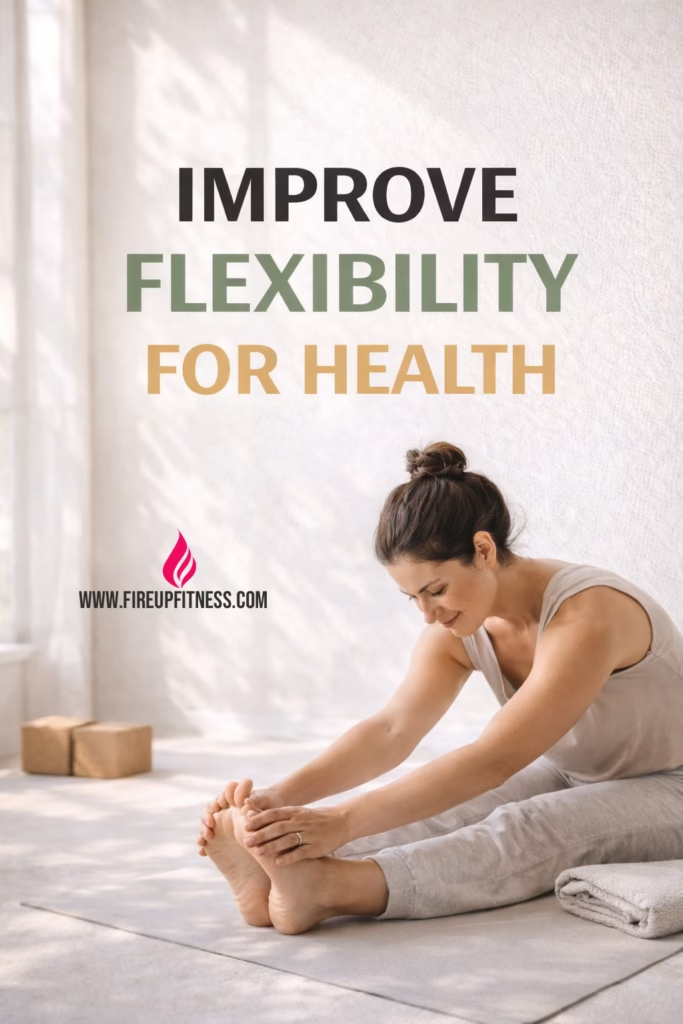
Why Improving Flexibility Matters for Better Health
If you’ve ever noticed a stiff neck after sitting at your desk too long — or felt achy the morning after working in the garden — you’ve already experienced what it’s like to lack flexibility. The way our bodies move (or don’t) plays a huge role in daily comfort, long-term well-being, and even the quality of movement as we age.
Flexibility — and making an intentional effort to improve flexibility — isn’t just for athletes or yoga classes. It’s a fundamental part of overall health that affects everything from posture and balance to injury prevention and everyday movement. That’s why building and maintaining flexibility for health is one of the smartest, most sustainable habits you can develop.
What Flexibility Really Is
Flexibility refers to how far your muscles and joints can move through their full range of motion. It’s more than touching your toes — it’s about having the freedom of movement your body needs to function comfortably in everyday life.
As we age, or when we remain sedentary for long periods, muscles tighten and joints stiffen. These changes can make even simple tasks — bending down to tie shoes, reaching for something on a high shelf, or getting up from a chair — feel harder than they should.
That’s where flexibility for health comes in: the goal isn’t merely to stretch, but to cultivate a body that moves with ease, balance, and resilience.
How Flexibility Supports Everyday Health
1. Improved Range of Motion
When you improve flexibility, your joints can move more freely and with less restriction. This means movements like walking, climbing stairs, or reaching overhead are easier and more comfortable. A wider range of motion also helps you maintain balance and coordination as you go about your day.
2. Better Posture and Alignment
Tight muscles can pull your body out of alignment, leading to slouched shoulders, lower back tension, and neck discomfort. By focusing on flexibility — especially in the shoulders, hips, and spine — you can support better posture and reduce the strain on everyday movements.
3. Reduced Risk of Injury
When your muscles are flexible and joints can move through their full range, your body distributes forces more evenly during movement. This balance helps protect against muscle strains, joint pain, and other injuries caused by overcompensation or limited motion.
4. Enhanced Blood Flow and Circulation
Flexibility isn’t just mechanical — it also supports internal systems. Increasing flexibility through stretching and mobility exercises can help improve circulation, which supports nutrient flow to muscles and tissues and helps your body recover more effectively after physical activity.
5. Better Comfort and Less Everyday Stiffness
Many people assume aches and stiffness are simply part of aging. But regular efforts to increase flexibility can ease tight muscles and joints that result from sitting, repetitive movements, or poor posture. Even light stretching can reduce stiffness and help you feel more comfortable in your body.
How Improving Flexibility Benefits Your Whole Body
Flexibility for health isn’t isolated to one part of you — it touches nearly every system in your body:
- Joints: Looser muscles support smoother joint movement.
- Muscles: Flexible muscles are less prone to injury or strain.
- Posture: Lengthened muscles help maintain upright posture and reduce tension.
- Circulation: Dynamic movement and stretching help blood flow and nutrient delivery.
- Daily Function: Tasks like lifting, bending, and reaching become more fluid.
This holistic benefit is why flexibility is often considered a pillar of long-term health — alongside strength and cardiovascular fitness.
Simple Ways to Increase Flexibility
You don’t have to become a contortionist to reap the rewards of flexibility. What matters most is consistent movement and small investments of time every day. Here’s how you can begin:
Daily Stretching
Even 5–10 minutes of gentle stretching can support increased flexibility over time. Focus on major muscle groups like hips, hamstrings, shoulders, and spine. Gentle static holds (where you stretch and hold for 15–30 seconds) are a good starting point.
Warm-Up Before Movement
Before stretching, especially on cooler days or after long periods of sitting, do a brief warm-up — like walking or light marching in place — to increase blood flow and safely improve flexibility.
Incorporate Flexibility Work into Daily Life
Flexibility exercises don’t require a special place or equipment. You can do stretches while watching TV, after a short walk, or even before bed. These small additions help keep muscles limber and joints moving.
Mind-Body Practices
Activities like yoga or tai chi combine mindful movement with stretching, helping improve flexibility while also supporting balance and stress relief. These practices are gentle, accessible, and especially helpful for beginners.
Flexibility Isn’t Just for Athletes — It’s for Everyone
Whatever your current activity level, flexibility can be improved and maintained. Increasing flexibility is especially beneficial if you:
- Spend long periods sitting
- Feel stiffness after sleep or during the day
- Want to move more freely and comfortably
- Are building a fitness routine around strength or walking
As with any physical practice, be mindful of your body’s limits. Stretch only to where you feel a gentle tug — never pain — and progress at your own pace.
In many ways, flexibility is like a foundation: the more mobile your muscles and joints become, the more resilience your body has for everyday life.
Takeaway: Flexibility for Lasting Health
Flexibility isn’t a bonus or an add-on. It’s a core component of good health and long-term movement quality. When you make even small efforts to improve flexibility and increase flexibility through gentle routines and mindful movement, the payoff shows up in everyday comfort, reduced injury risk, and greater freedom of motion.
And the best part? You can start right now — with simple stretches, a mindful warm-up, or a short flexibility routine that fits into your day.
If today’s a good place to start, consider that one mindful movement might feel small — but over time, those moments become the reason your body feels more comfortable, less restricted, and more capable for years to come.