
6 Best Foods to Support a Healthy Metabolism
Ever feel like your energy isn’t quite what it used to be? Maybe you wake up tired, feel sluggish after meals, or wonder why your body seems to respond differently to the same foods you enjoyed years ago.
It’s easy to blame a slow metabolism, especially as you get older.
But here’s something worth knowing: Supporting a healthy metabolism doesn’t require expensive supplements, strict diets, or complicated routines.
Sometimes, it starts with the everyday foods you put on your plate.
Your metabolism is constantly working behind the scenes. It helps your body turn food into energy, supports essential functions, and keeps everything from your heartbeat to your breathing running.
While no single food can dramatically speed up your metabolism, certain foods provide nutrients that help your body function efficiently and maintain steady energy throughout the day.
The good news? You probably already have several of them in your kitchen.
Here are six foods worth adding to your meals, along with simple ways to enjoy them.

1. Grapefruit: A Refreshing Way to Start Your Day
Grapefruit might not be everyone’s favorite breakfast fruit, but its nutritional benefits make it worth considering.
This juicy citrus fruit contains vitamin C, fiber, potassium, and plenty of water. Together, these nutrients support hydration, digestion, and overall health.
Grapefruit also contains a plant compound called naringenin, which researchers have studied for its potential effects on metabolic health. However, there’s no convincing evidence that eating grapefruit dramatically increases metabolism in humans.
Why grapefruit deserves a place on your plate:
- Vitamin C supports normal energy metabolism.
- Fiber helps keep your digestive system functioning properly.
- Its high water content supports hydration.
- Its refreshing flavor makes it an enjoyable addition to breakfast.
Easy way to enjoy it: Slice half a grapefruit and serve it alongside scrambled eggs or plain Greek yogurt. You can also add grapefruit segments to a fresh green salad.
One thing to remember: Grapefruit can interact with certain prescription medications. Check with your pharmacist before eating it regularly if you take medication.
2. Egg Whites: Protein That Helps Keep Your Metabolism Working
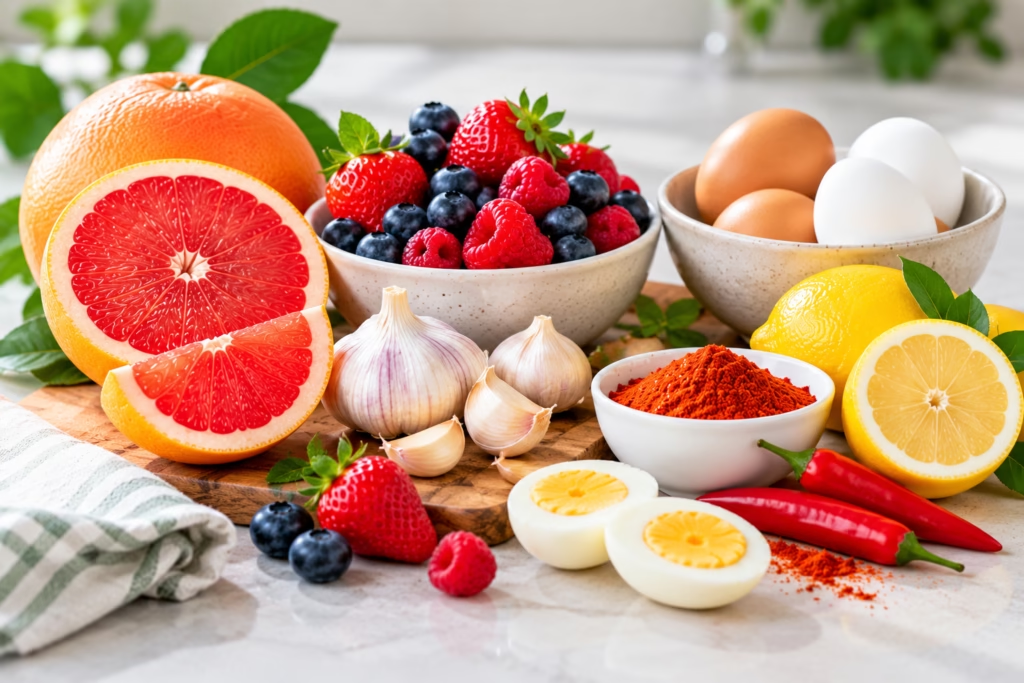
Ever notice how a protein-rich breakfast keeps you satisfied longer than a sugary pastry?
There’s a reason for that.
Protein plays an important role in maintaining muscle, repairing tissues, and supporting many of your body’s everyday functions.
Egg whites are an excellent source of high-quality protein, making them a convenient addition to your morning routine.
Your body also uses energy to digest food. This process is called the thermic effect of food, and protein requires more energy to process than carbohydrates or fats.
That doesn’t mean eating egg whites will suddenly make your metabolism race, but getting enough protein can help support healthy metabolic function.
Why egg whites are a smart choice:
- Provide high-quality protein.
- Support muscle maintenance and recovery.
- Help you feel satisfied between meals.
- Are easy to prepare in several different ways.
Easy way to enjoy them: Make a fluffy omelet with one whole egg, two egg whites, spinach, mushrooms, and tomatoes.
And don’t feel you have to skip the yolks entirely. Whole eggs provide valuable nutrients, including choline and vitamin B12.
3. Garlic: A Small Ingredient With Surprising Benefits
Garlic is one of those ingredients that can completely change a meal.
A little chopped garlic can turn ordinary vegetables, soups, and homemade sauces into something much more flavorful.
But garlic offers more than great taste.
It contains natural sulfur compounds, including allicin, that have been studied for their potential antioxidant and cardiovascular benefits.
Some early research also suggests that garlic compounds may influence metabolic processes. However, more human research is needed before garlic can be considered a proven metabolism booster.
Why adding garlic is a healthy habit:
- Contains beneficial plant compounds.
- May contribute to cardiovascular health.
- Adds flavor without needing extra sugar or heavy sauces.
- Makes nutritious home-cooked meals more enjoyable.
Easy way to enjoy it: Add freshly minced garlic to sautéed spinach, roasted vegetables, lentil soup, or homemade tomato sauce.
For a simple dinner, toss broccoli with olive oil, garlic, and a squeeze of lemon before roasting.
Sometimes, making healthy food taste better is one of the easiest ways to eat well consistently.
4. Berries: A Delicious Source of Fiber and Antioxidants
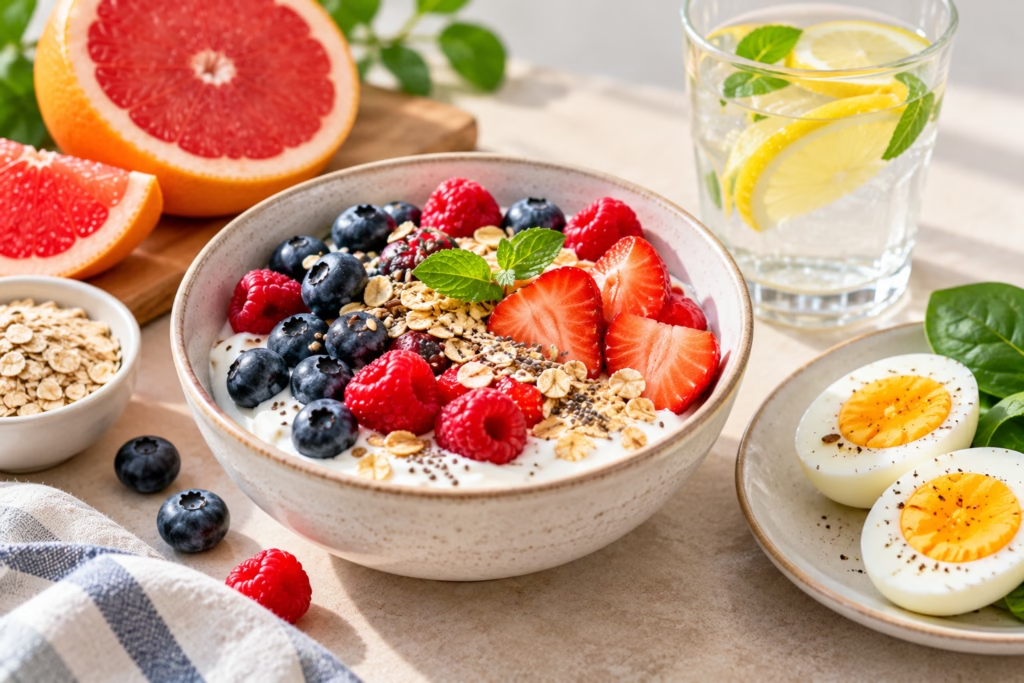
Strawberries, blueberries, raspberries, and blackberries aren’t just colorful additions to your breakfast bowl.
They’re packed with nutrients that support everyday health.
One of their biggest benefits is fiber.
Fiber supports healthy digestion and helps you feel satisfied after meals. Berries also provide antioxidants, including anthocyanins, that help protect cells from oxidative stress.
Although berries don’t directly speed up metabolism, their nutritional benefits make them a valuable part of a balanced eating routine.
Why berries are worth eating regularly:
- Provide fiber for digestive health.
- Contain antioxidants that support cellular health.
- Offer vitamins and other beneficial plant compounds.
- Add natural sweetness to meals and snacks.
Raspberries and blackberries are particularly rich in fiber, making them excellent choices when you want something refreshing and satisfying.
Easy way to enjoy them: Add a handful of mixed berries to oatmeal, Greek yogurt, or a homemade smoothie.
You can also keep frozen berries on hand. They’re convenient, nutritious, and perfect for busy mornings.
5. Cayenne Pepper: A Little Spice With a Small Metabolic Effect
Enjoy spicy food? Cayenne pepper may be one of the more interesting ingredients on this list.
Its heat comes from a natural compound called capsaicin.
Research suggests capsaicin may temporarily increase the amount of energy your body uses and influence appetite in some people.
However, these effects are generally modest, so cayenne pepper isn’t a shortcut to a faster metabolism.
Still, it’s an easy way to add flavor and variety to your meals.
Why cayenne pepper is worth trying:
- Capsaicin may slightly increase short-term energy expenditure.
- Adds bold flavor to simple meals.
- Contains naturally occurring plant compounds.
- Makes vegetables, beans, and soups more interesting.
Easy way to enjoy it: Sprinkle a small pinch of cayenne pepper over scrambled eggs, roasted sweet potatoes, vegetable soup, or homemade chili.
Start with a little and adjust according to your taste.
Spicy foods aren’t suitable for everyone, particularly people who experience frequent heartburn or digestive discomfort.
6. Lemon Juice: A Simple Habit That Supports Hydration
You’ve probably seen advice suggesting that drinking lemon water first thing in the morning can instantly wake up your metabolism.
The reality is a little different.
Lemon juice doesn’t directly speed up your metabolism in a meaningful way. However, it provides vitamin C and can make drinking water more enjoyable.
And hydration matters.
Your body needs enough fluid for normal digestion, circulation, temperature regulation, and countless other processes that keep you functioning throughout the day.
Why lemon water can be a useful habit:
- Helps make staying hydrated more enjoyable.
- Provides a little vitamin C.
- Adds fresh flavor without added sugar.
- Offers a refreshing alternative to sweetened beverages.
Easy way to enjoy it: Squeeze half a lemon into a glass of water and enjoy it with breakfast or during the afternoon.
You can also add lemon juice to salads, grilled vegetables, or homemade dressings.
There’s no need to drink lemon water at a specific time. What matters more is staying comfortably hydrated throughout the day.
If you have acid reflux or sensitive teeth, dilute lemon juice and avoid sipping it continuously.
How to Add These 6 Foods to Your Daily Routine

You don’t need to eat all six foods every day to enjoy their nutritional benefits.
Instead, look for simple opportunities to include them in meals you already enjoy.
Here’s an easy example:
| Time of day | Simple food idea |
|---|---|
| Breakfast | Vegetable omelet with egg whites and grapefruit |
| Morning snack | Greek yogurt topped with fresh berries |
| Lunch | Vegetable soup seasoned with garlic |
| Afternoon | Refreshing water with fresh lemon |
| Dinner | Roasted vegetables with garlic and a pinch of cayenne |
The goal isn’t to create another set of food rules. It’s to make balanced eating feel easier and more enjoyable.
4 Everyday Habits That Help Support Metabolism After 40
Food is only one part of the picture.
As we get older, changes in muscle mass, activity levels, sleep, and hormones can influence how our bodies use energy.
That’s why a few everyday habits can be just as important as what you eat.
1. Include Protein in Your Meals
Protein supports muscle maintenance and recovery, which becomes increasingly important with age.
Try adding eggs, Greek yogurt, beans, lentils, fish, or other protein-rich foods to your meals.
2. Make Time for Strength Training
Muscle is metabolically active tissue, meaning it uses energy even while you’re resting.
You don’t need to spend hours in a gym. Simple exercises such as squats, wall push-ups, and resistance training at home can help maintain strength.
3. Move Throughout the Day
A morning workout is wonderful, but what you do during the rest of the day matters too.
Walking, gardening, taking the stairs, and doing household chores all contribute to your daily activity.
Even a short walk after lunch can be a helpful habit.
4. Give Your Body Enough Rest
Sleep supports normal hormone function, appetite regulation, recovery, and energy levels.
Aim for consistent sleep and wake times, and create a relaxing evening routine that helps you wind down.
Small changes often become easier to maintain when they fit naturally into your day.
Frequently Asked Questions About Metabolism
What foods help support metabolism naturally?
Protein-rich foods such as eggs, fish, beans, and Greek yogurt help support muscle maintenance and require energy to digest. Fruits, vegetables, and whole grains provide essential nutrients for normal metabolic function.
Can you improve your metabolism after 40?
You can support healthy metabolic function at any age. Regular strength training, adequate protein, daily movement, sufficient sleep, and balanced nutrition are practical places to start.
Does drinking lemon water boost metabolism?
There’s no strong evidence that lemon water significantly increases metabolic rate. However, it can help you stay hydrated, which is important for normal body function.
Is it better to eat several small meals throughout the day?
Not necessarily. Eating more frequently doesn’t automatically increase metabolism. Choose a meal schedule that supports your energy, appetite, and daily routine.
Final Thoughts: Support Your Metabolism One Meal at a Time
Taking care of your metabolism doesn’t have to be complicated.
You don’t need a special drink, an expensive supplement, or a long list of foods to avoid.
Instead, focus on simple choices that nourish your body and make you feel good.
Add berries to your breakfast. Enjoy a protein-rich meal. Flavor your vegetables with garlic. Drink enough water and make time to move.
These little habits might not seem exciting, but they’re the foundation of long-term wellness.
A healthy metabolism isn’t about finding one magical food. It’s about giving your body the nutrients, movement, and rest it needs to function at its best.
And that’s something you can start working on today.
Which of these six foods is already part of your routine? Save this guide to your Healthy Eating Pinterest board and share it with someone who enjoys simple, practical nutrition tips.