Tai Chi for Beginners: 5 Simple Moves to Get Started
Tai Chi is often described as slow and graceful, but its real strength lies in how approachable it is. The movements are gentle, controlled, and intentionally unhurried, making Tai Chi a natural starting point for anyone who wants to move with more ease and awareness.
For beginners, Tai Chi offers a way to improve balance, posture, and coordination without stressing the joints or pushing the body too hard. Instead of focusing on intensity, the practice encourages steady movement, calm breathing, and a stronger connection between mind and body.
This guide introduces five simple Tai Chi moves that are commonly taught to beginners. Each movement is easy to follow, adaptable to different ability levels, and suitable for home practice.

Why Tai Chi Is an Ideal Practice for Beginners
Tai Chi differs from many traditional workouts because it emphasizes quality of movement rather than effort. Each motion flows into the next, allowing the body to move smoothly and deliberately.
For beginners, this approach helps:
- Reduce strain on joints and muscles
- Improve balance and coordination over time
- Build strength gradually through weight shifting
- Encourage consistency without burnout
Because the movements are slow, there is time to notice posture, alignment, and breathing, which helps build confidence and body awareness.

Getting Ready to Practice
Before starting the movements, take a moment to set yourself up comfortably.
- Wear loose, comfortable clothing
- Stand on a stable surface
- Keep your knees slightly bent
- Let your shoulders relax
- Breathe naturally and evenly
Tai Chi should feel steady and controlled, never forced.
5 Tai Chi Moves to Get Started
These movements focus on balance, coordination, and smooth transitions. You can practice them individually or flow from one to the next.
Opening Posture
Stand with your feet about hip-width apart and your arms resting comfortably by your sides. Slowly lift your arms forward to chest height as you inhale. As you exhale, lower your arms back down.
This opening movement helps you:
- Set a calm, focused pace
- Coordinate breathing with movement
- Prepare your body for practice
Move slowly and keep your shoulders relaxed.
Wave Hands Like Clouds
Shift your weight gently from one foot to the other while your arms move side to side in soft, circular motions at chest height. Your torso stays upright as your weight transfers smoothly.
This movement supports:
- Balance and coordination
- Gentle spinal mobility
- Continuous, flowing motion
Focus on smooth transitions rather than large movements.

Parting the Wild Horse’s Mane (Simplified)
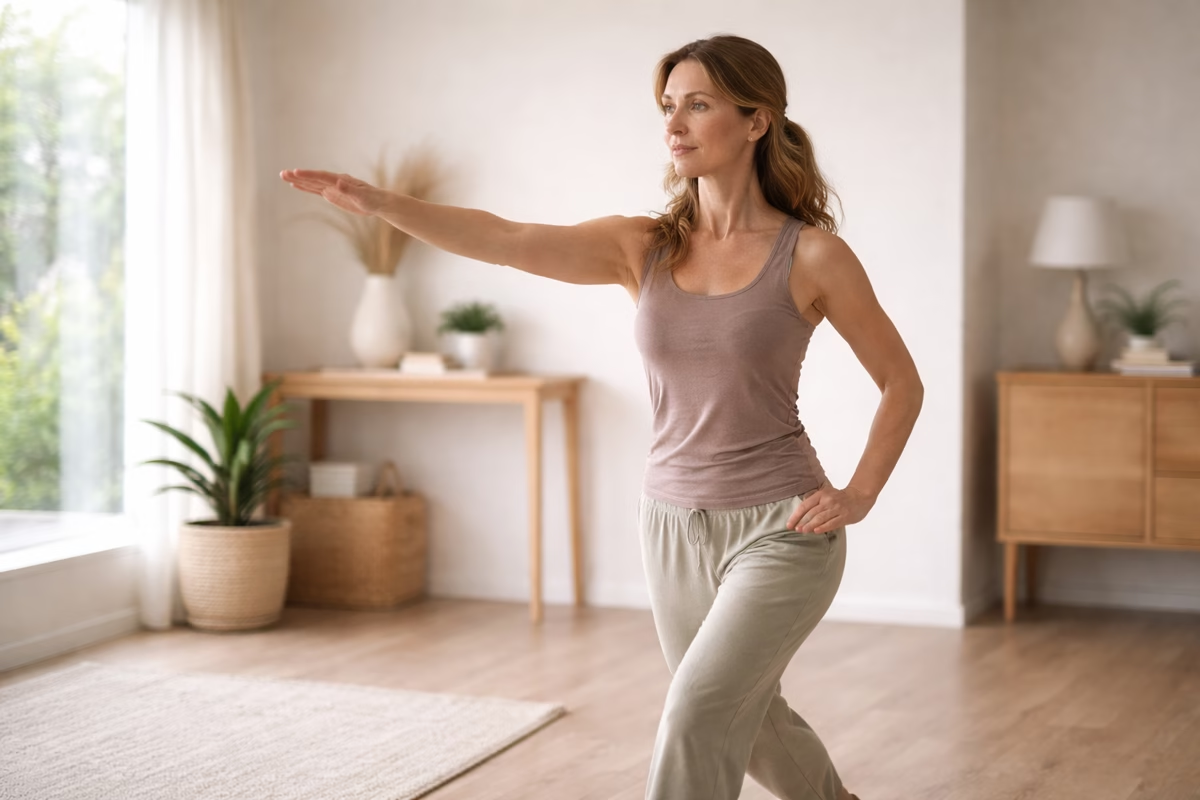
Step one foot slightly forward as you shift your weight. One hand moves forward and upward while the other lowers near your hip. Alternate sides slowly and evenly.
This movement helps build:
- Leg strength and stability
- Coordination between the upper and lower body
- Confidence with controlled weight shifting
Keep your steps short and comfortable.

Golden Rooster Stands on One Leg (Modified)
Shift your weight onto one leg and gently lift the opposite foot. You can keep your toes lightly touching the floor or lift the foot slightly, depending on your comfort level.
This movement supports:
- Balance and stability
- Ankle and leg strength
- Awareness of body alignment
Use a chair or wall for light support if needed.

Closing Posture
To finish, slowly lift your arms as you inhale and lower them as you exhale. Stand quietly for a few breaths before moving on with your day.
This closing movement helps your body transition out of practice while maintaining a calm, grounded feeling.

How Often Should Beginners Practice Tai Chi?
Consistency matters more than duration.
- Start with 5 to 10 minutes per session
- Practice several times per week
- Focus on smooth, controlled movement rather than repetition
As your comfort and confidence grow, you can gradually increase your practice time.
Building Balance and Strength Over Time
With regular practice, Tai Chi can help improve balance, posture, and overall stability in everyday movements. Many people find it especially helpful as a way to support balance and strength as the body changes over time, making it easier to stay steady and confident during daily activities.
Final Thoughts
Tai Chi is not about perfection or performance. These five beginner-friendly movements offer a simple way to start moving with more control, awareness, and ease.
Move slowly, stay consistent, and allow the benefits to develop naturally over time.