
Intermittent Fasting: Beginner’s Guide to Diet and Timing
Imagine having more energy, feeling lighter, improving your focus, and even losing stubborn belly fat—all without obsessing over every calorie. That’s the promise of intermittent fasting. Unlike fad diets that come and go, intermittent fasting isn’t about restricting what you eat but rather when you eat. And for many women, it’s a lifestyle change that can transform health, confidence, and energy levels.
Whether you’re curious about starting intermittent fasting for the first time or want to refine your current routine, this guide will walk you through everything you need to know. From the best intermittent fasting diet plans to the benefits of different schedules, you’ll discover how to make fasting work for your body and lifestyle.
As fitness expert Tony Robbins famously said, “Where focus goes, energy flows.” With the right plan, intermittent fasting helps you channel that focus toward a healthier, stronger version of yourself.
What is Intermittent Fasting?
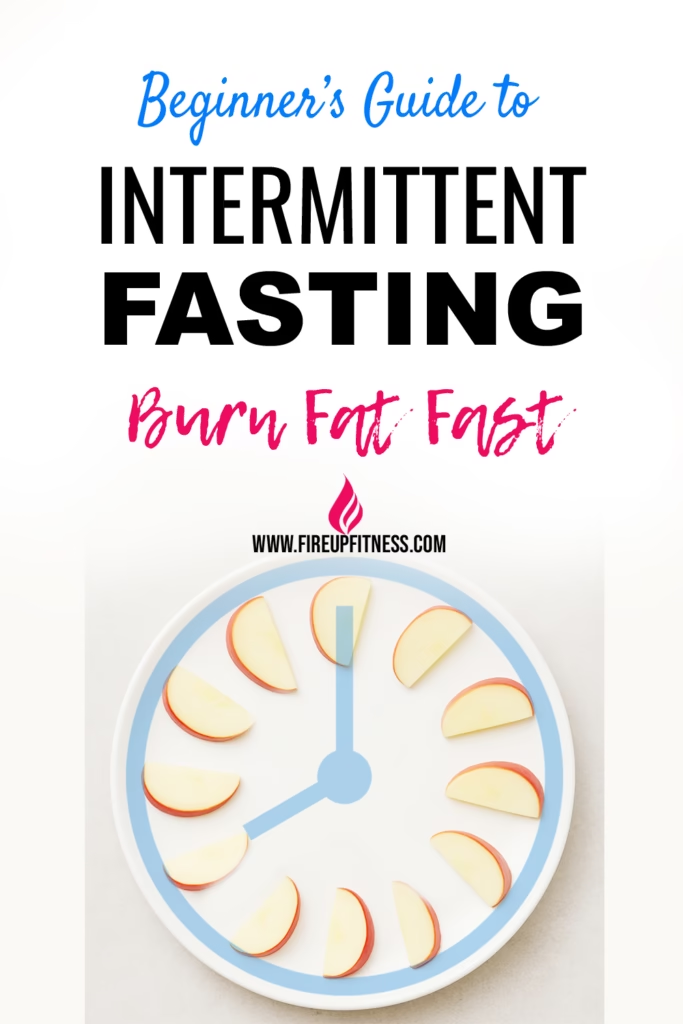
At its core, intermittent fasting (IF) is an eating pattern that cycles between periods of eating and fasting. Instead of constantly grazing, you give your body a break from food so it can reset, burn fat, and repair itself.
It’s not a traditional fasting diet—you’re not starving yourself. Instead, you’re choosing specific intermittent fasting times that align with your goals, energy needs, and lifestyle.
For women, IF can be especially powerful. Research suggests it supports weight management, balances hormones, and may even protect long-term health.
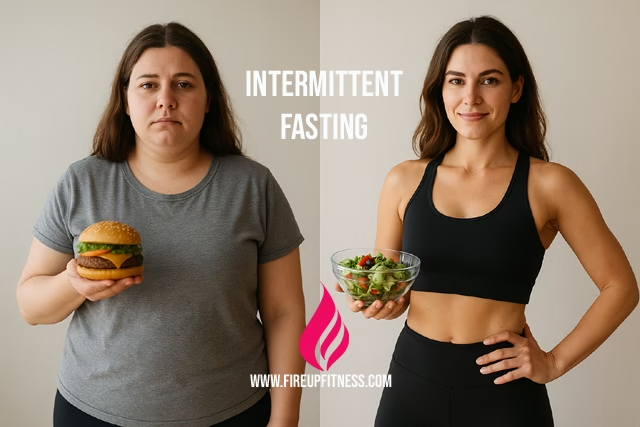
Benefits of Intermittent Fasting
The hype around IF isn’t just talk—it’s backed by science. Here are some of the most notable benefits of intermittent fasting for women:
- Weight loss and fat burning
IF helps your body tap into fat stores for energy, making it easier to slim down. Many women use intermittent fasting to lose belly fat that often seems impossible to get rid of with regular dieting. - Improved energy and focus
When your body isn’t constantly digesting, it shifts into a sharper, more efficient mode. Many women report feeling more energized and focused during their fasting window. - Supports hormone balance
Strategic fasting may help balance insulin, leptin, and even reproductive hormones—especially important for women managing metabolism and energy levels. - Potential anti-aging benefits
Fasting stimulates cellular repair processes like autophagy, which may support long-term health and vitality. - Flexibility
Unlike rigid diets, IF adapts to you. Whether you prefer shorter fasts like intermittent fasting 14/10 or longer windows like intermittent fasting 19/5 schedule, there’s a method that fits.
Popular Intermittent Fasting Schedules
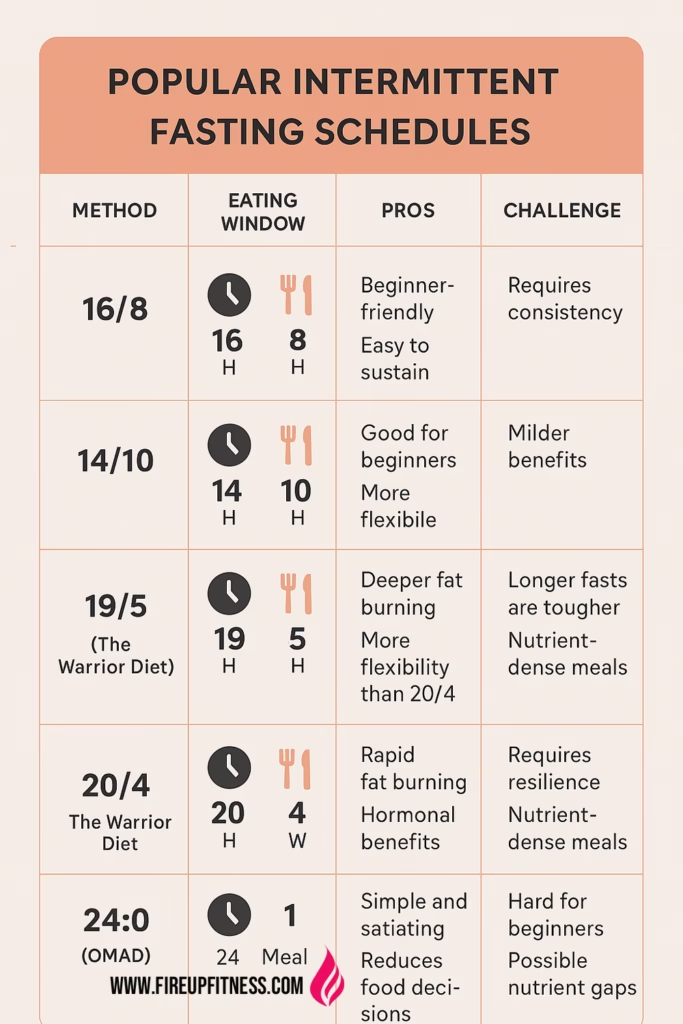
Not all fasting windows are created equal. The beauty of intermittent fasting is that you can experiment with different approaches until you find the one that matches your lifestyle, energy levels, and health goals. Here are some of the most common intermittent fasting schedules women explore:
16/8 Intermittent Fasting
- How it works: You fast for 16 hours each day and eat within an 8-hour window. For example, finish dinner at 8 p.m. and break your fast the next day at 12 p.m.
- Why it’s popular: This is by far the most common and beginner-friendly method. It’s easy to sustain, fits most lifestyles, and doesn’t feel overly restrictive. Many women start with this schedule when first learning how to do intermittent fasting 16/8.
- Meals: A typical day might include two main meals and a snack. Meals for intermittent fasting 16/8 often feature lean proteins (chicken, fish, eggs), colorful vegetables, healthy fats (avocado, nuts, olive oil), and whole grains.
- Benefits: Encourages fat loss, improves insulin sensitivity, helps maintain steady energy, and can easily be integrated into a daily routine without feeling like a “diet.”
14/10 Intermittent Fasting
- How it works: Fast for 14 hours and eat within a 10-hour window. For example, you might eat from 9 a.m. to 7 p.m.
- Why it’s great: The 14/10 schedule is ideal for fasting for beginners women, as it’s less restrictive and easier to maintain. This makes it a great option for women with busy schedules, families, or social commitments.
- Benefits: Supports gradual weight loss, helps you build consistency, and still gives the digestive system a much-needed rest. It’s also a great way to “train” your body for longer fasts like 16/8 if you want to progress later.
20/4 Fasting (The Warrior Diet)
- How it works: Fast for 20 hours and consume all of your calories in a 4-hour eating window.
- Benefits of intermittent fasting 20/4: This advanced method can accelerate fat burning, boost discipline, and may even promote hormonal benefits like improved insulin sensitivity and autophagy (the body’s natural cell-cleaning process).
- Meals: The eating window needs to focus on nutrient-dense, balanced meals. Think hearty portions of protein, complex carbs, and healthy fats to fuel your body in a short amount of time.
- Challenge: This schedule isn’t for beginners—it requires careful planning, mental resilience, and attention to nutrition to avoid deficiencies.
24:0 Intermittent Fasting (OMAD – One Meal a Day)
- How it works: Fast for 24 hours, then eat one large, nutrient-packed meal. Some women do this daily, while others practice OMAD just a few times per week.
- Who it’s for: Women who prefer simplicity or want to reduce decision fatigue around multiple meals. OMAD works best for those who can tolerate longer fasting windows without feeling deprived.
- Caution: This approach is not for beginners. It should be introduced gradually, and the single meal must be well-balanced to avoid nutrient gaps. OMAD can also be stressful on the body if overdone, so it’s best used occasionally rather than long term.
19/5 Intermittent Fasting
- How it works: You fast for 19 hours and have a 5-hour eating window, striking a balance between 16/8 and 20/4 fasting schedules.
- Why try it: For women who want the benefits of longer fasts—like deeper fat burning and more noticeable body composition changes—without the extreme challenge of a 20/4 schedule, 19/5 offers a middle ground.
- Benefits: Helps with appetite control, supports weight management, and allows a little more flexibility than the Warrior Diet.
Finding Your Best Fit
The most important thing to remember is that your ideal fasting schedule depends on your body, your goals, and your lifestyle. Some women thrive on shorter fasts, while others love the discipline of extended windows. If you’re new to fasting, start gently with 12/12 or 14/10, and progress if and when your body feels ready.
“Intermittent fasting isn’t about perfection—it’s about progress and consistency. The best schedule is the one you can stick with.”
How Age and Lifestyle Affect Your Fasting Window
Your ideal intermittent fasting schedule isn’t set in stone—it should evolve with your body, your lifestyle, and even your age. As women, our metabolism, hormones, and energy needs change over time, which means the fasting plan that worked in your 20s might feel very different in your 40s. The key is listening to your body and finding a rhythm that supports your health, not one that feels restrictive.
In Your 20s and 30s: Energy and Flexibility
During these years, most women can comfortably thrive on the popular 16:8 or 14:10 fasting schedules. This structure fits well with busy workdays, active social lives, and higher energy demands. Skipping breakfast and breaking your fast around lunchtime often feels manageable because your body is typically more resilient to longer fasting periods. Plus, this schedule allows for dinners out with friends while still supporting fat burning and stable energy throughout the day.
Ages 35 to 40: Hormonal Shifts and Balance
As women move into their mid-to-late 30s, hormonal changes—including fluctuations in estrogen and progesterone—can start to affect metabolism and energy levels. Here, intermittent fasting can be a powerful tool for balance. A 14:10 fasting schedule may feel more sustainable, while some women still find success with a 16:8 routine depending on lifestyle and activity levels. At this stage, it’s especially important to focus on nutrient-dense meals during the eating window to support hormonal health and prevent energy crashes.
40s and Beyond: Gentle and Sustainable
As women reach their 40s and beyond, changes in metabolism, muscle mass, and hormone levels can make extended fasting windows feel more challenging. Instead of pushing for strict schedules, many women find greater success with a 14:10 approach or even experimenting with 12:12 fasting (12 hours of fasting, 12 hours of eating). Pairing gentler fasting windows with protein-rich, fiber-filled, and antioxidant-packed meals helps sustain energy, support bone and muscle health, and prevent cravings. The goal here is long-term sustainability, not restriction.
“Your fasting plan should adapt to your life stage—because your health journey is about progress, not perfection.”
Best Time for Intermittent Fasting
One of the most common questions beginners have is: “When is the best time to fast?” The truth is, there’s no strict rule that works for everyone. The beauty of intermittent fasting is its flexibility—it can be adjusted to fit your unique lifestyle, energy patterns, and personal goals.
Many women find it easiest to follow the 16:8 method by skipping breakfast and beginning their eating window around noon. For example, you might fast from 8 p.m. until 12 p.m. the next day, then enjoy all of your meals between 12 p.m. and 8 p.m. This schedule works well because it allows you to sleep through a large portion of your fasting period and still enjoy social dinners with family or friends.
Others prefer an earlier eating window, such as 10 a.m. to 6 p.m. or 9 a.m. to 5 p.m.. This setup can support better sleep because your body isn’t digesting a heavy meal late at night. If you’re someone who tends to feel sluggish after evening meals, shifting your eating earlier in the day might give you more energy and help your body wind down naturally at bedtime.
It’s also worth considering your daily energy needs. If you exercise in the mornings, you may benefit from breaking your fast earlier to fuel your workouts and recovery. On the other hand, if evenings are when you typically gather with family or prepare your most substantial meals, starting later in the day could make the plan more sustainable.
At the end of the day, the best time for intermittent fasting is the one you can realistically maintain. Think about your work schedule, family commitments, sleep habits, and even your social life. Intermittent fasting isn’t meant to be restrictive—it’s meant to create balance.
“The best plan isn’t the one that looks perfect on paper—it’s the one that fits your life and keeps you consistent.”
The key takeaway: experiment with different fasting windows and pay attention to how your body feels. Your ideal schedule will be the one that gives you steady energy, supports your health goals, and feels natural to maintain long-term.
How to Intermittent Fast for Beginners
If you’re brand-new, here’s how to ease in:
- Pick a schedule you can stick with. Most women begin with intermittent fasting 14/10 before moving to 16/8.
- Stay hydrated. Water, black coffee, and herbal teas are allowed during fasting.
- Focus on nutrient-dense foods. When you eat, fill your plate with lean protein, veggies, whole grains, and healthy fats.
- Listen to your body. Lightheadedness or extreme fatigue are signs you may need to adjust your window.
- Be patient. Like any lifestyle shift, results take consistency and time.
As the saying goes, “Discipline is the bridge between goals and accomplishment.” Stay consistent and trust the process.
Meals for Intermittent Fasting
Your eating window is your chance to nourish your body. Here are ideas for balanced meals for intermittent fasting 16/8 or other schedules:
- Breakfast-to-lunch (first meal): Smoothie with protein powder, spinach, chia seeds, and almond milk.
- Lunch or dinner: Grilled salmon, quinoa, and roasted veggies.
- Snack: Greek yogurt with berries and almonds.
- Treat: Dark chocolate or a small handful of nuts.
For women following keto, a keto intermittent fasting meal plan 16/8 might feature eggs with avocado, chicken with zucchini noodles, and fat-rich snacks like olives.
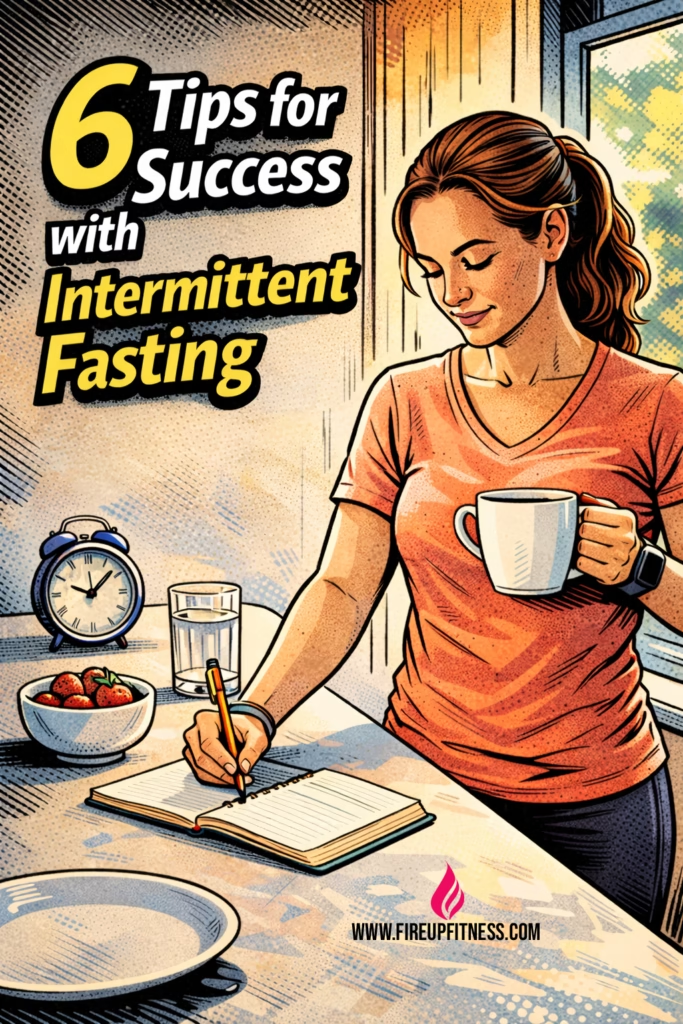
Tips for Success with Intermittent Fasting
Starting intermittent fasting is exciting, but staying consistent is where the magic happens. The good news? A few simple strategies can make the journey smoother, more enjoyable, and more sustainable for the long haul. Here are some powerful tips to help you succeed:
1. Plan Your Meals Ahead
The key to making intermittent fasting work isn’t just when you eat—it’s what you eat. Prepping your meals in advance ensures that your eating window is filled with balanced, nutrient-rich foods rather than last-minute snacks. Think lean proteins, fiber-packed veggies, whole grains, and healthy fats. When you already have healthy options ready, you’re less likely to reach for processed or sugary foods that can sabotage your energy and results.
2. Move Your Body
Exercise doesn’t have to mean intense, sweat-dripping sessions—especially while fasting. Light workouts, yoga, stretching, or even brisk walks during your fasting window can enhance fat burning and keep your metabolism humming. On eating days, strength training can be a game-changer for building lean muscle, which naturally supports long-term fat loss. The goal is to stay active, not exhausted.
3. Stay Flexible
Life isn’t perfect, and neither is any health routine. Some days, social plans, work deadlines, or unexpected events might throw off your schedule. That’s okay! Missing a fasting window or shifting your hours occasionally won’t erase your progress. What matters most is consistency over time. Think of intermittent fasting as a lifestyle tool, not a rigid diet.
4. Combine with Mindfulness
Fasting doesn’t just benefit your body—it can also nourish your mind. Use fasting hours as an opportunity for stillness, reflection, or meditation. Many women find they experience greater focus, clarity, and calm when they combine fasting with mindfulness practices. Even a few minutes of deep breathing or journaling can shift your perspective and help you connect with your goals.
5. Hydrate Consistently
This one is often overlooked but makes all the difference. Staying hydrated with water, herbal tea, or black coffee during fasting hours helps manage hunger, supports digestion, and keeps your energy steady. Sometimes, what feels like hunger is really just dehydration.
6. Listen to Your Body
No two fasting journeys are alike. If a certain window feels too restrictive or leaves you drained, adjust it. If a particular meal plan doesn’t satisfy you, try something new. The best intermittent fasting plan is the one that fits seamlessly into your lifestyle and leaves you feeling strong and energized.
“Consistency beats perfection. Every small choice you make adds up to lasting success.”
16/8 Fasting Before and After: What to Expect
Starting the 16/8 intermittent fasting method can feel both exciting and a little overwhelming at first. Like any lifestyle shift, your body needs time to adjust. But once you settle into the rhythm, the changes—both subtle and visible—can be incredibly rewarding. Here’s what many women experience along the way:
The First Week: Subtle but Noticeable Shifts
In the early days, your body is learning how to tap into stored energy during fasting hours. You may notice:
- Reduced bloating as your digestive system gets a break from constant eating.
- Improved mental clarity and focus, since your blood sugar levels become more stable.
- Better control over cravings, especially for late-night snacks, because your body starts regulating hunger hormones more efficiently.
It’s normal to feel mild hunger in the mornings at first, but most women find this passes within a few days as the body adapts. Staying hydrated and sipping on black coffee, tea, or water during your fast can make the adjustment smoother.
After 2–3 Weeks: Energy and Routine
Once you’ve built consistency, the 16/8 fasting pattern starts to feel more natural. Many women report:
- Steadier energy throughout the day, without the mid-afternoon slump.
- Healthier eating habits, since the eating window encourages more mindful, balanced meals.
- Better sleep, especially if the eating window ends earlier in the evening.
By this point, fasting feels less like a “diet” and more like a simple routine that fits into your lifestyle.
After 1 Month: Visible Results Begin
By the end of the first month, the benefits of 16/8 fasting often become more noticeable:
- Weight loss due to a natural calorie deficit and improved fat burning.
- Slimmer waistline, as your body sheds excess fat and reduces inflammation.
- Improved digestion, thanks to giving your gut consistent rest periods.
These results can be highly motivating, reinforcing your commitment to the routine.
Long-Term: Building Sustainable Health
The true power of 16/8 intermittent fasting shows up with consistency over several months. Many women experience:
- Lasting fat loss without the constant stress of calorie counting.
- Improved insulin sensitivity, which supports long-term metabolic health.
- More confidence and energy, as fasting becomes second nature.
Most importantly, 16/8 fasting is considered one of the most sustainable intermittent fasting schedules for women. It’s flexible enough to fit around work, family, and social life, while still delivering meaningful results for weight management, energy, and overall wellness.
“Consistency creates change. Stick with the process, and the before-and-after difference will amaze you—not just in how you look, but in how you feel.”
The Best Way to Fast for Women
When it comes to intermittent fasting, there’s no “one-size-fits-all.” The best way to fast is the one that matches your body, lifestyle, and goals. Women, in particular, may find their fasting needs are a little different due to factors like hormones, energy demands, and daily responsibilities. That’s why it’s important to choose a method that not only supports your health but also feels realistic and sustainable.
If Your Goal Is Weight Loss
The 16/8 method (fast for 16 hours, eat within an 8-hour window) is one of the most popular starting points. It’s effective for fat burning, easy to stick to, and fits naturally into most lifestyles. By skipping breakfast and breaking your fast around lunchtime, you create a consistent calorie deficit while still enjoying satisfying meals. For many women, this approach helps shed pounds while keeping energy levels stable.
If You Want More Flexibility
Not every woman thrives on a strict 16-hour fast. In that case, the 14/10 schedule can be a gentler option. With a 14-hour fasting window and a 10-hour eating window, it provides many of the same benefits while allowing more room for social meals or snacks. This style is especially helpful for beginners or women balancing busy schedules.
If You’re Focused on Long-Term Health
If your priority is overall wellness, cellular repair, or longevity, you might explore mixing shorter fasts with occasional extended fasts. For example, stick with a 14/10 or 16/8 most days, then occasionally try a 20/4 fast (fast for 20 hours, eat within 4). Extended fasts encourage autophagy (your body’s natural clean-up process), which supports cellular health, reduces inflammation, and promotes resilience.
If You’re Managing Hormonal Balance
Women’s hormones can shift during different life stages—like your 30s, 40s, and beyond—which means fasting should be gentle and adaptive. In these cases, shorter fasts like 12/12 or 14/10 may be better choices. They still provide benefits like stable blood sugar, improved digestion, and better energy, without putting added stress on the body. Pairing these fasts with nutrient-dense meals rich in protein, healthy fats, and fiber will further support hormone health.
Respecting Your Body’s Signals
Most importantly, your fasting style should respect your body. Some women thrive on longer fasts, while others feel drained. Some enjoy fasting in the mornings, while others prefer to end earlier in the evening. Listen closely to your energy levels, hunger cues, sleep quality, and even your mood. These are your body’s way of telling you whether your fasting plan is working.
“The best fasting plan isn’t the trendiest or the toughest—it’s the one that fits your life and makes you feel your strongest.”
Final Thoughts
Intermittent fasting is more than a diet—it’s a lifestyle that empowers women to take control of their health, energy, and confidence. Whether you’re exploring how to intermittent fast for beginners or experimenting with advanced schedules like intermittent fasting 24:0, the key is consistency and balance.
Start with small, sustainable steps. Find a fasting schedule that fits your life, focus on whole foods, and listen to your body. Over time, the results—both physical and mental—will speak for themselves.
Remember: “Success is the sum of small efforts, repeated day in and day out.” Your fasting journey is just that—a journey. Commit to it, stay consistent, and you’ll unlock the lasting benefits of this powerful lifestyle.