Interval Walking Workout: Burn Fat & Boost Metabolism
If working out feels like it requires too much time, too much energy, or too much motivation, you’re not alone.
Many women want results—less belly fat, stronger legs, more energy—but don’t want workouts that feel punishing. Running can be hard on the knees. HIIT can feel intimidating. And long gym sessions just aren’t realistic for most schedules.
That’s why interval walking is one of the most underrated “secret weapons” in fitness.
It’s easy on your joints, beginner-friendly, and incredibly effective—especially if you’ve been walking consistently but haven’t been seeing the results you want.
As the quote goes:
“You don’t have to go fast. You just have to go.”
Let’s break down exactly what interval walking is, why it works, and how to use it to transform your body (and your energy) without running a single step.
What Is Interval Walking?
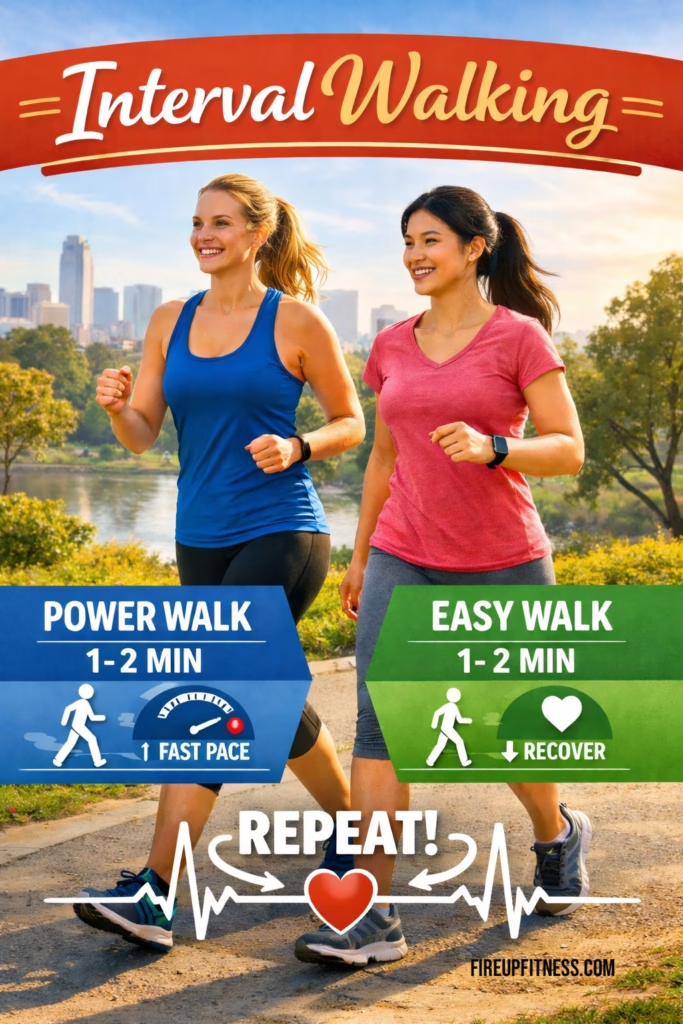
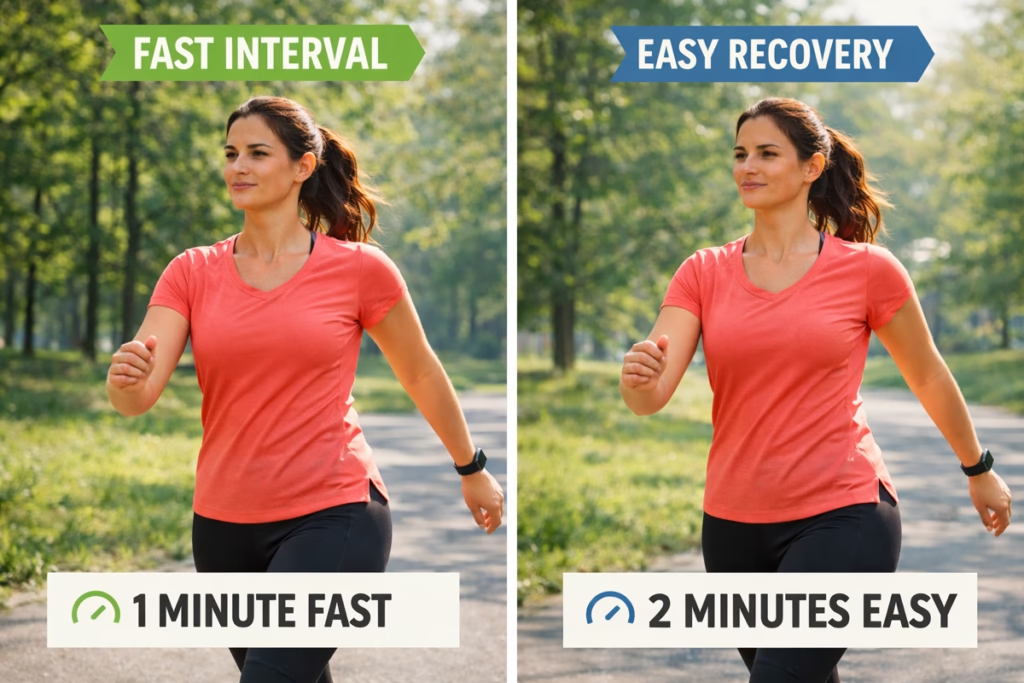
Interval walking is a walking workout where you alternate between:
- fast walking intervals (higher effort)
- slow walking recovery periods (lower effort)
Instead of walking at one steady pace for 30 minutes, you switch speeds in rounds. That “push + recovery” pattern trains your body more efficiently.
Here’s a simple example:
- walk fast for 1 minute
- walk easy for 2 minutes
- repeat for 20–30 minutes
You may also hear interval walking called:
- walking intervals
- interval training walking
- speed walking intervals
- walking HIIT (low-impact version)
Why Interval Walking Works (Even Better Than Regular Walking)
Steady walking is excellent for daily movement. But if you walk at the same pace every day, your body adapts. Over time, that comfortable pace stops challenging you.
Interval walking works because it adds one key ingredient:
pace changes that push your heart rate higher.
When you alternate speeds, your body must:
- work harder during fast intervals
- recover during easy intervals
- repeat the cycle again and again
This creates a stronger fitness response, which means better results in the same amount of time.
Interval Walking Benefits (Especially for Women)
1) Burns more calories than regular walking
Fast intervals raise your heart rate, which increases calorie burn. The repeated effort also helps reduce plateau results from steady walking.
2) Supports fat loss without hurting your joints
Unlike running, interval walking is low-impact, making it ideal if you:
- have knee sensitivity
- have back stiffness
- are postpartum
- are restarting fitness after a break
- want something sustainable long-term
3) Helps reduce belly fat through overall fat loss
You can’t target belly fat directly, but interval walking supports total body fat loss, which eventually reduces waist size and belly fat.
4) Builds stamina quickly
You’ll feel stronger within weeks. Stairs become easier. Walking longer feels easier. Breathing improves.
5) Tones legs and glutes more than slow walking
Fast-paced walking activates:
- glutes
- hamstrings
- calves
- hip muscles
- core
That’s why many women notice firmer legs and a lifted look over time.
6) Improves heart health and energy
This “challenge and recover” style strengthens your heart efficiently and improves overall endurance.
Interval Walking vs. Regular Walking: Which One Is Better?
Both are excellent, but they serve different goals.
Regular walking is best for:
- stress relief
- mental clarity
- gentle recovery movement
- daily activity goals
Interval walking is best for:
- fat loss
- boosting metabolism
- improving stamina faster
- toning legs and glutes
- breaking plateaus
If you’re already walking but want better results, interval walking is the upgrade.
How Fast Should You Walk During Intervals?
You do not need a watch or any fitness tracker. You can use your breathing as the guide.
Easy pace (recovery)
- breathing comfortable
- you can talk in full sentences
- effort: 3–4/10
Fast pace (interval)
- breathing heavier
- you can talk, but you don’t want to
- effort: 7–8/10
- steps are quicker and purposeful
A simple cue: your fast pace should feel like you’re late for something.
The Best Interval Walking Workout (Beginner Friendly)
This beginner routine is safe, realistic, and effective.
Beginner Interval Walking Workout (20 minutes)
Warm-up (5 minutes): easy walk
Intervals (12 minutes): repeat 4 rounds
- 1 minute fast walk
- 2 minutes easy walk
Cool down (3 minutes): easy walk + deep breathing
This is one of the best starter plans for women who want results without burnout.
30-Minute Interval Walking Workout for Fat Loss
When you’re ready to level up, use this plan.
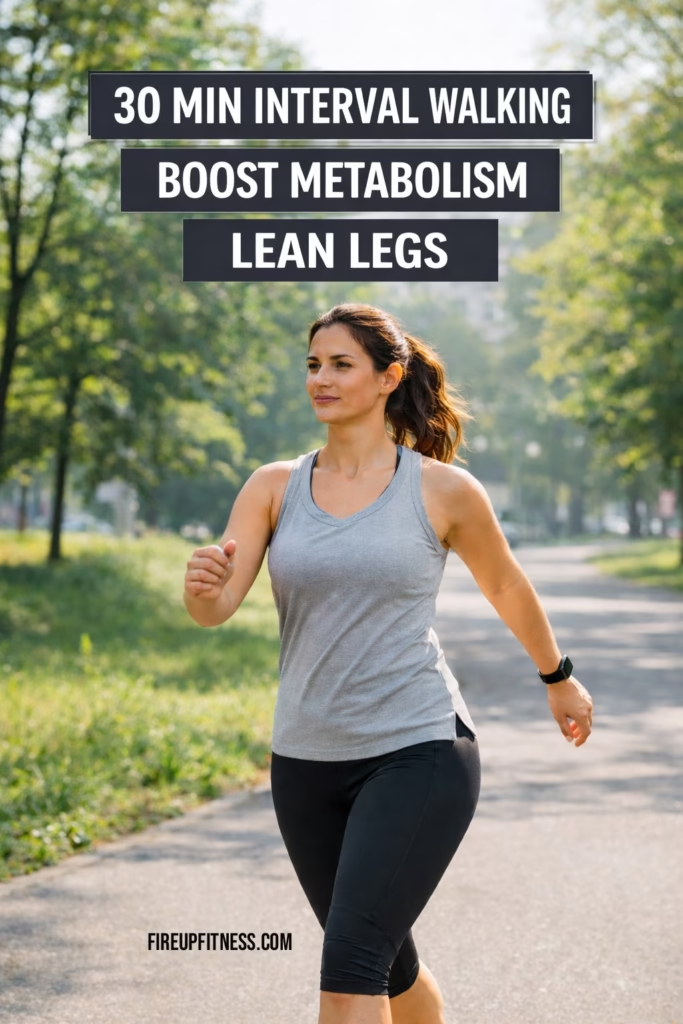
Fat-Burning Interval Walk (30 minutes)
Warm-up (5 minutes): easy walk
Intervals (20 minutes): repeat 10 rounds
- 1 minute fast walk
- 1 minute easy walk
Cool down (5 minutes): easy walk
This routine is simple, time-efficient, and powerful.
Advanced Interval Walking (No Running Required)
If you want more challenge without switching to running:
Advanced Interval Walking Workout (35 minutes)
Warm-up (5 minutes)
Intervals (25 minutes): repeat 5 rounds
- 2 minutes fast walk
- 1 minute very fast walk (your strongest pace)
- 2 minutes easy walk
Cool down (5 minutes)
This method builds stamina quickly and increases calorie burn.
7-Day Interval Walking Plan (Beginner to Confident)
Here’s a realistic weekly plan.
Day 1: Starter intervals (20 min)
1 min fast + 2 min easy × 4
Day 2: Steady walk (25–40 min)
easy to moderate pace
Day 3: Interval walk (25 min)
1 min fast + 1 min easy × 10
Day 4: Rest or light walk
10–20 minutes easy
Day 5: Hill intervals (20–30 min)
fast uphill + easy recovery
Day 6: Interval walk (30 min)
2 min fast + 2 min easy × 5
Day 7: Long walk (45–60 min)
steady pace for stress relief and endurance
How to Get Better Results From Interval Walking
If you want the “best version” of interval walking, these tips matter.
Add hills or incline
Incline increases:
- calorie burn
- glute activation
- heart rate
Even a gentle hill makes a big difference.
Use strong arm swings
Arms help drive intensity. Keep your elbows bent and swing naturally.
Improve your posture
- chest lifted
- shoulders relaxed
- core lightly engaged
- eyes forward
Strong posture increases core activation and reduces pain.
Increase intensity gradually
The goal is progress, not punishment.
Small upgrades are enough:
- increase fast intervals by 15–30 seconds
- reduce recovery time slightly
- add one extra round
Best Time to Do Interval Walking
The best time is the time you can consistently do.
However:
- morning interval walking boosts energy
- after-meal walking helps digestion and blood sugar
- evening walking reduces stress and supports sleep
Results Timeline: What to Expect
In 2 weeks:
- better energy
- less bloating
- improved mood
- legs feel stronger
In 4–6 weeks:
- improved stamina
- clothes start fitting better
- waist feels tighter
- legs look more toned
In 8–12 weeks:
- noticeable body change
- improved cardiovascular health
- better consistency habits
- real confidence boost
A reminder worth keeping:
Consistency is what changes your body. Not perfection.
Common Interval Walking Mistakes (And How to Fix Them)
Mistake 1: Your fast pace isn’t challenging
If your heart rate never rises, your results will be slower.
Mistake 2: Skipping warm-ups
Warm-ups protect the knees and hips and help you walk stronger.
Mistake 3: Doing intervals every day
You’ll burn out. Aim for 3–5 sessions weekly.
Mistake 4: Expecting walking to outwork poor habits
Walking helps fat loss, but you’ll see faster results with:
- better sleep
- higher protein intake
- reduced sugary snacking
- consistent hydration
FAQs About Interval Walking
Is interval walking good for weight loss?
Yes. It increases heart rate and energy use more than steady walking, making it excellent for weight loss.
Can interval walking reduce belly fat?
It supports overall fat loss, which eventually reduces belly fat. Pairing it with healthy eating improves results.
How long should an interval walking workout be?
Most women see results with 20–35 minutes including warm-up and cool-down.
How many days a week should I do interval walking?
A great range is 3–5 days per week, depending on energy and recovery.
Is interval walking safe for beginners?
Yes. It is one of the safest ways to build stamina without high-impact exercise.
Can I do interval walking on a treadmill?
Yes. It works extremely well on a treadmill because you can control speed and incline.
Final Thoughts: Why Interval Walking Is a “Real” Workout
Interval walking isn’t a “light workout” just because it’s simple.
It’s effective because it trains your body in a smart way—hard enough to create results, but gentle enough to stick with.
If you want a workout that burns fat, tones legs, strengthens your heart, and builds confidence without running, interval walking is one of the best routines you can start today.
Start small. Stay consistent. Let results build.