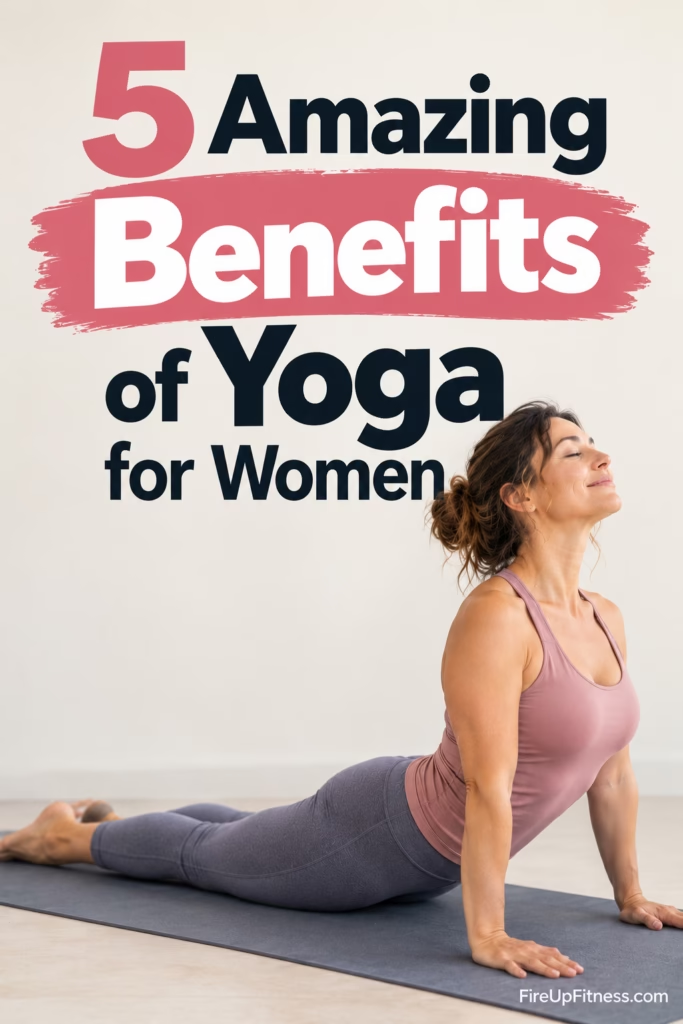
5 Reasons You Should Practice Yoga for Total Wellness
Some days, your body feels stiff, your mind won’t slow down, and even a good night’s sleep doesn’t leave you feeling refreshed. Between work, family, and everyday responsibilities, finding a little time for yourself can feel almost impossible.
That’s where yoga can make a difference.
You don’t need to be flexible, master complicated poses, or spend an hour on a yoga mat to enjoy the benefits of yoga for women. Sometimes, just 10 minutes of gentle stretching and mindful breathing is enough to help you feel calmer, more comfortable, and more connected to your body.
And the best part? Yoga can support your well-being at almost any age, whether you’re in your 20s, navigating your 40s, or enjoying life beyond menopause.
Here are five wonderful reasons to give yoga a place in your daily routine.
1. Yoga Helps You Feel Stronger and More Flexible
Have you noticed how your shoulders tighten after sitting at a desk or how your hips feel stiff when you get up from the couch?
Our bodies weren’t designed to stay in one position all day.
Yoga encourages gentle movement through different ranges of motion, helping improve flexibility, balance, and muscular strength.
With regular practice, you may notice:
- Less stiffness in your hips, shoulders, and back.
- Better balance and coordination.
- Stronger core muscles that support everyday movement.
- Improved posture and body awareness.
- Greater comfort during daily activities.
You don’t have to attempt advanced yoga poses to experience these benefits.
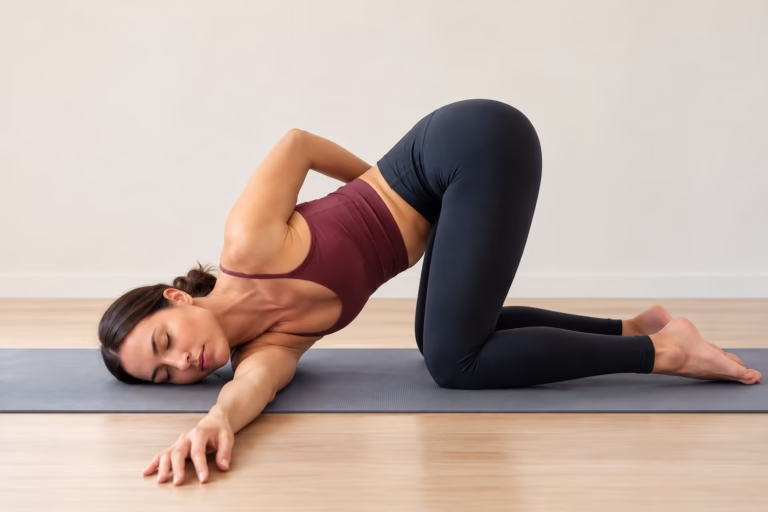
Try this: Start with Cat-Cow Pose, Child’s Pose, and Downward-Facing Dog. These familiar beginner yoga poses can help you stretch, move, and gradually build strength.
For women over 40, maintaining mobility and balance becomes especially valuable for staying active and independent as the years go by.
2. Yoga Gives Your Mind a Much-Needed Break
Some days, the hardest part isn’t physical exhaustion. It’s having a mind that refuses to switch off.
You’re thinking about tomorrow’s appointments, unfinished chores, family responsibilities, and everything else that needs your attention.
Yoga gives you permission to slow down.
By combining movement with steady breathing, yoga encourages you to focus on the present instead of worrying about what comes next.
Research suggests that regular yoga practice may help reduce perceived stress and anxiety symptoms while supporting emotional well-being.
A gentle yoga routine may also help you:
- Feel more relaxed after a demanding day.
- Improve your ability to manage everyday stress.
- Develop greater mindfulness.
- Wind down before bedtime.
- Support better sleep quality.
Try this: Sit comfortably, relax your shoulders, and breathe slowly for two minutes. Then move into Child’s Pose and focus on the rhythm of your breathing.
You don’t need to empty your mind completely. Simply bringing your attention back to your breath is a good place to begin.
3. Yoga Can Support Women’s Well-Being Through Different Life Stages
A woman’s body goes through many changes over the years.
Menstrual cycles, pregnancy, perimenopause, and menopause can all affect how you feel physically and emotionally.
While yoga doesn’t directly regulate hormone levels or treat hormonal conditions, it can be a helpful addition to a healthy lifestyle during these transitions.
For example, gentle yoga may help some women manage menstrual discomfort, improve relaxation, and cope with stress.
During perimenopause and menopause, restorative yoga can also provide a calming way to move when sleep feels disrupted or energy levels fluctuate. Evidence for relief of specific symptoms, such as hot flashes, remains mixed.
The key is choosing movements that feel comfortable for your body.
Gentle yoga poses worth trying:
- Reclined Butterfly Pose for relaxing the hips.
- Legs-Up-the-Wall Pose for quiet, restful time.
- Cat-Cow Pose for gentle spinal mobility.
- Supported Child’s Pose for relaxation.
Yoga can complement appropriate medical care, but it shouldn’t replace treatment for persistent symptoms or reproductive health concerns.
4. Yoga Helps You Build Confidence and Appreciate Your Body
One of the most rewarding things about yoga has nothing to do with how a pose looks.
It’s noticing what your body can do.
Maybe you hold a balance pose a few seconds longer than last week. Perhaps you can bend forward more comfortably, or you finally remember to relax your shoulders when you’re stressed.
These small improvements matter.
Unlike activities that focus heavily on competition or appearance, yoga encourages you to pay attention to your own progress.
Over time, practicing yoga can help you develop:
- Greater body awareness.
- More patience with yourself.
- Confidence in your physical abilities.
- A stronger sense of personal accomplishment.
- A more positive relationship with movement.
This is especially meaningful for women who feel pressured to meet unrealistic fitness expectations.
Your yoga practice doesn’t need to look perfect.
Some days, you might feel strong and energetic. Other days, a few gentle stretches are all you need.
Both count.
Remember: Progress in yoga isn’t measured by how far you can stretch. It’s also about how comfortably and confidently you move through everyday life.
5. Yoga Makes It Easier to Create a Healthy Routine You’ll Enjoy
The best exercise routine isn’t necessarily the most intense one.
It’s the one you actually look forward to doing.
That’s another reason yoga works so well for busy women. It’s flexible enough to fit different schedules, energy levels, and fitness abilities.
You can practice yoga:
- In the morning to gently wake up your body.
- During a work break to ease stiffness.
- After a walk or workout to unwind.
- In the evening to prepare for rest.
- With a friend or yoga group for motivation and connection.
Joining a beginner yoga class can also introduce you to women who share an interest in wellness and healthy living.
But practicing at home is just as valid.
All you really need is a little space, comfortable clothing, and a willingness to begin.
A Simple 10-Minute Yoga Routine for Beginners
Wondering how to start yoga at home? Try this short routine. It’s gentle, beginner-friendly, and easy to adjust.
| Yoga pose | Time | Main benefit |
|---|---|---|
| Cat-Cow Pose | 2 minutes | Encourages spinal mobility |
| Child’s Pose | 2 minutes | Gently stretches the back |
| Downward-Facing Dog | 2 minutes | Builds strength and stretches the body |
| Seated Forward Fold | 2 minutes | Gently stretches the backs of the legs |
| Easy Seated Pose with Deep Breathing | 2 minutes | Encourages relaxation |
Move slowly, breathe naturally, and avoid forcing yourself into a stretch. Bend your knees or use cushions and yoga blocks whenever needed. Skip any movement that causes pain.
You can follow this routine three or four days a week and gradually practice more often as you become comfortable.
How to Make Yoga a Habit Without Feeling Overwhelmed
You don’t need to completely rearrange your schedule to enjoy yoga’s benefits.
Start with five or ten minutes at a time. Choose a consistent moment, perhaps after your morning coffee or before getting ready for bed.
Keep your yoga mat somewhere visible so it’s easy to remember.
And most importantly, don’t worry about being perfect.
Missed a day? Simply begin again tomorrow.
The goal isn’t to perform every pose beautifully. It’s to create a little space in your day for movement, breathing, and self-care.
Final Thoughts: Give Yourself 10 Minutes
Yoga doesn’t have to be complicated to be worthwhile.
A few gentle poses can help you feel more mobile, a little stronger, and more relaxed. With consistency, those small moments on the mat may become one of the most enjoyable parts of your day.
Whether you’re exploring yoga for beginners, looking for ways to manage stress, or hoping to stay active after 40, there’s a style of yoga that can fit your needs.
Start with 10 minutes today. Your body and mind deserve that time.
And if you know another woman who could use a little more calm and movement in her day, share this article with her.