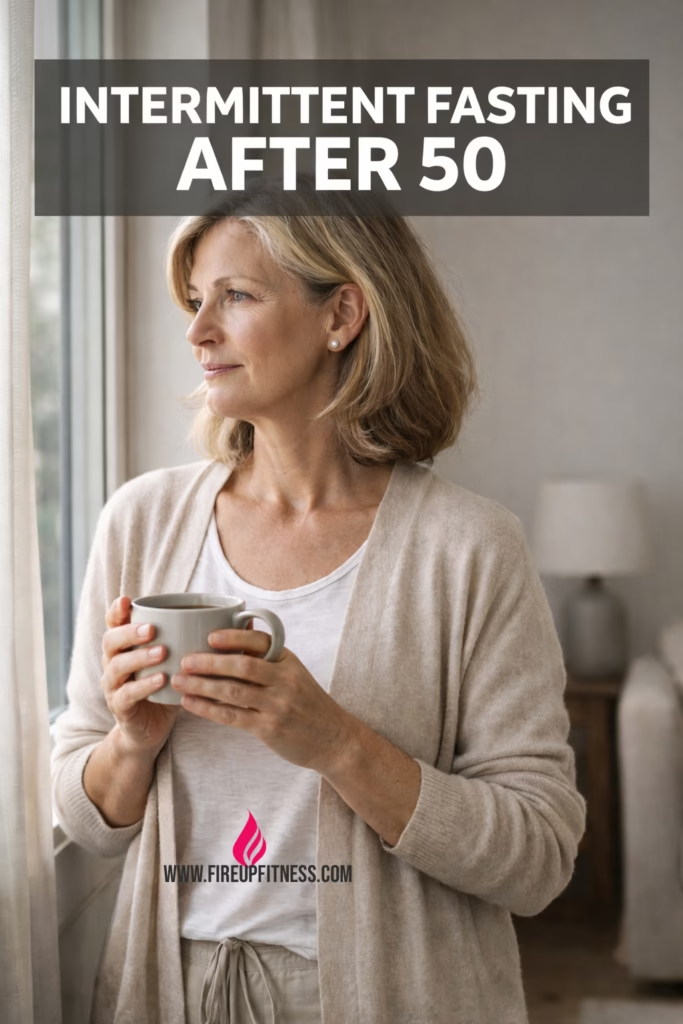

Intermittent Fasting for Women Over 50: A Gentler Approach
At some point after 50, many women realize that their body hasn’t stopped responding—it’s started responding more clearly.
Sleep affects hunger more than it used to. Stress lingers longer. Skipping meals doesn’t feel neutral anymore—it feels noticeable. Sometimes helpful. Sometimes not.
So when intermittent fasting enters the conversation at this stage of life, it often brings mixed feelings. Curiosity, yes—but also caution.
This guide isn’t here to convince you to fast.
It’s here to offer a calmer way of understanding intermittent fasting after 50—one that respects the body’s changes instead of trying to override them.

Why Intermittent Fasting Feels Different After 50
Intermittent fasting is often described as a simple timing strategy. Eat within a window. Don’t eat outside it.
After 50, that simplicity can feel misleading.
The body becomes more sensitive to disruption. Sleep quality influences appetite more strongly. Stress affects hunger and energy in ways that are harder to ignore. Recovery from under-eating takes longer than it used to.
Many women wonder whether intermittent fasting still “works” for them—or whether they’re doing something wrong.
This is why the first place many readers start is with Intermittent Fasting After 50: What Changes, What Works, What Doesn’t, which explores how fasting actually interacts with the post-50 body and why the experience often shifts at this stage of life.
Moving Away From Diet Thinking
For many women, intermittent fasting appears after decades of dieting.
Calorie tracking. Portion control. Food rules that required constant attention.
After 50, these approaches often feel heavier—not because of motivation, but because the body’s response changes. Hunger becomes louder. Energy dips are sharper. Stress around food builds more quickly.
Intermittent fasting, when approached gently, often feels different. Not easier—but quieter. Fewer decisions. Less constant monitoring.
That contrast is part of what draws women in—and part of what requires a different mindset to sustain.
Menopause Changes the Conversation Entirely
Menopause doesn’t just affect hormones. It affects how the body handles stress, hunger, sleep, and recovery.
Many women notice that fasting windows that once felt manageable suddenly feel draining. Long fasts amplify fatigue. Late dinners disrupt sleep. Hunger feels more urgent.
These changes don’t mean fasting is no longer an option. They mean it needs to be approached differently.
That full context is explored in Intermittent Fasting After Menopause: Stress, Hormones, and Long Fasts, which explains why stress and long fasting windows often play a bigger role after menopause than most people expect.
Why Gentle Structure Works Better Than Rigid Schedules
After 50, many women stop looking for the “best” fasting schedule.
They start looking for one they can live with.
Rigid routines often feel brittle at this stage—easily disrupted by poor sleep, stress, travel, or emotional load. Gentler routines, built around rhythm rather than rules, tend to last longer.
That’s why many women gravitate toward shorter fasting windows, flexible timing, and repeatable patterns rather than strict hours.
These real-world routines are explored in Best Intermittent Fasting Routines for Women Over 50, which focuses on how women actually structure fasting in daily life—not how it looks on paper.
Food and Timing Matter More Than Hours
One of the biggest surprises women report is that fasting success after 50 has less to do with how long they fast—and more to do with what happens when they eat.
The first meal of the day.
Whether meals feel nourishing or rushed.
The timing of dinner and its impact on sleep.
When meals are poorly balanced or mistimed, fasting feels hard. When meals feel grounding and supportive, fasting often fades into the background.
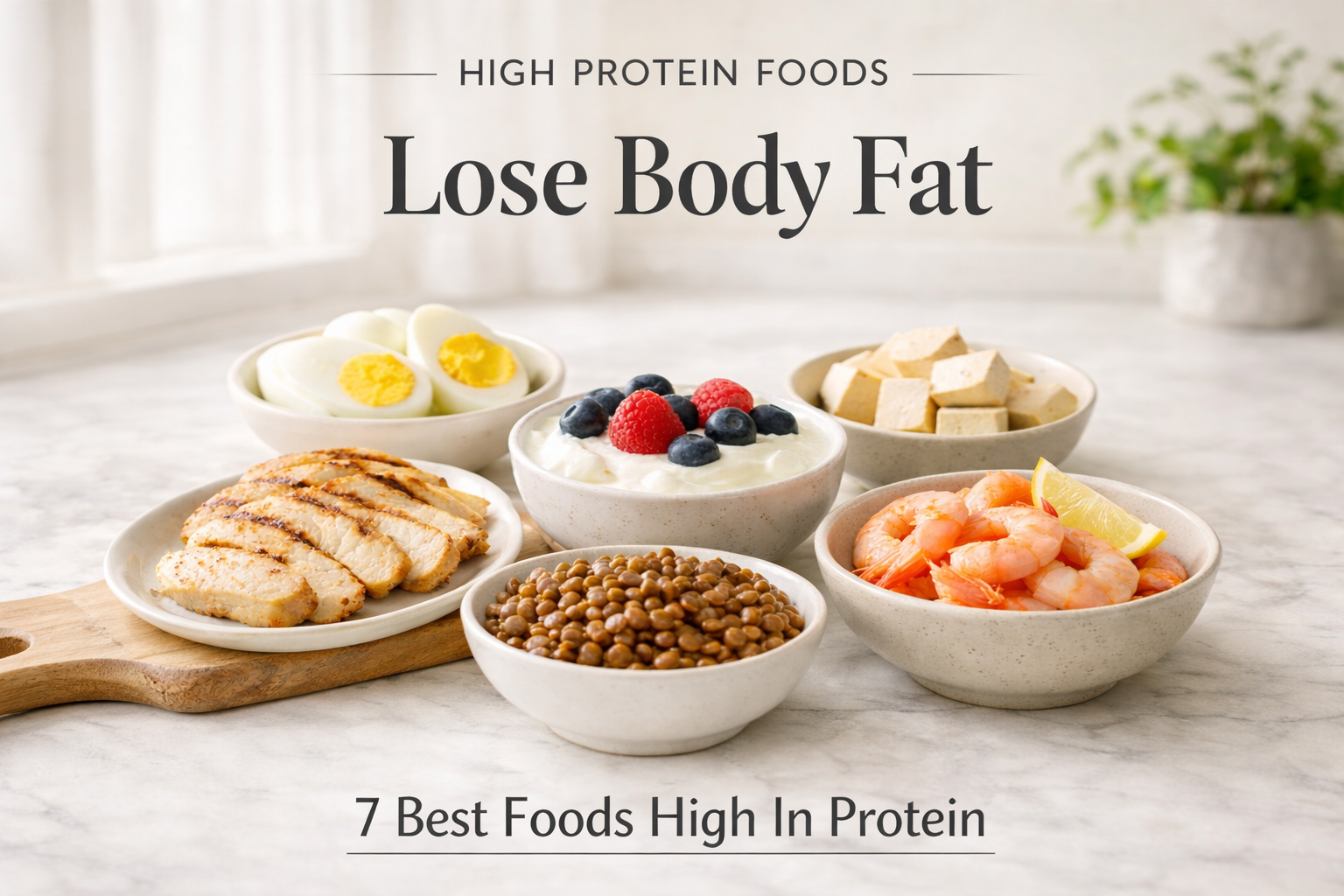
This relationship between food, protein, and timing is covered in depth in What to Eat and When: Breaking a Fast After 50, which explains why meal quality quietly shapes the entire fasting experience.
When Fasting Feels Hard — and Why That’s Normal
One of the most unsettling aspects of intermittent fasting after 50 is inconsistency.
Some days feel easy.
Other days feel exhausting.
The routine hasn’t changed—but the body has.
Sleep, stress, emotional load, and hormonal shifts all influence how fasting feels. This variability isn’t failure—it’s feedback.
Understanding when to soften, adjust, or pause fasting often determines whether it becomes sustainable.
That reassurance and guidance lives in When Intermittent Fasting Feels Hard After 50: How to Adjust Without Quitting, which normalizes fluctuation and reframes adjustment as wisdom rather than weakness.
Thinking Long Term Instead of Short Term
After 50, many women stop asking how to optimize—and start asking how to sustain.
They want routines that adapt as life changes. That don’t require constant effort. That don’t collapse after one disrupted week.
This is where intermittent fasting stops being a phase and starts becoming a lifestyle—one that evolves with age, stress, and seasons of life.
That long-view perspective is explored fully in Intermittent Fasting After 50: A Lifestyle That Evolves With You, which brings together consistency, flexibility, and trust into a sustainable framework.
Who This Gentler Approach Is For
This approach to intermittent fasting may resonate if you:
- Are over 50 and feel your body responding differently
- Want structure without rigidity
- Are navigating menopause or post-menopause
- Value sleep, energy, and emotional steadiness
- Prefer long-term ease over short-term intensity
If you’re looking for strict rules or aggressive timelines, this approach may feel intentionally slower.
Closing Reflection
Intermittent fasting after 50 doesn’t need to be bold to be effective.
For many women, it becomes quieter than expected.
Less about hours.
More about awareness.
When fasting respects the body’s changes instead of fighting them, it often stops feeling like a strategy—and starts feeling like something that simply fits.
And for many women, that’s exactly what makes it sustainable.