
3 Foods to Avoid If You Want to Lose Belly Fat (and What to Choose Instead)
Losing belly fat isn’t just about looking leaner — it’s about improving your overall health, energy levels, and confidence. While experts agree that completely banning foods can backfire and lead to overeating, some foods genuinely make weight loss harder. These foods tend to increase cravings, cause bloating, or pack in calories without keeping you full.
If your goal is to burn belly fat more efficiently, limiting the following foods can make a noticeable difference.
1. Frozen Meals: Convenient but Calorie‑Dense
Frozen meals are marketed as quick, portion‑controlled options — but they often come with hidden drawbacks that work against your weight‑loss goals.
Why Frozen Meals Slow Fat Loss
- High sodium content: Manufacturers load frozen meals with sodium to preserve freshness. Excess sodium causes water retention, bloating, and puffiness, making your stomach appear larger.
- Small portions, big calories: To fit an entire meal into a small container, companies often pack in calorie‑dense ingredients. You may feel like you’re eating a “light” meal, but the calorie count can be surprisingly high.
- Low satiety: Even when the calories are high, the portions are usually too small to keep you full. This leads to snacking later — and ultimately, overeating.
Better Alternatives
- Fresh or homemade meals prepared in batches
- Lean proteins with vegetables
- Low‑sodium soups or stews
- Pre‑cut produce and ready‑to‑cook proteins for convenience without the bloat
2. Fiber Snack Bars: Not as Healthy as They Seem
Fiber is essential for digestion, appetite control, and gut health — but fiber bars aren’t always the best way to get it.
Why Fiber Bars Can Backfire
- Inconsistent fiber intake: Your body benefits most when fiber is consumed steadily throughout the day, not in one concentrated bar.
- Added sugars and fillers: Many bars contain sweeteners, syrups, and processed ingredients that spike blood sugar and increase cravings.
- Digestive discomfort: A sudden dose of isolated fiber can cause bloating, gas, or stomach upset.
Better Alternatives
- Fresh fruits like apples, berries, pears
- Vegetables such as carrots, cucumbers, or snap peas
- Nuts and seeds
- Whole‑grain snacks like oats or popcorn
These natural sources provide fiber and essential nutrients — without the additives.
3. Fruit Juices: High in Sugar, Low in Satiety
Juice may seem healthy, but when it comes to fat loss, it’s one of the most misleading “health foods.”
Why Juice Sabotages Belly‑Fat Loss
Fructose overload: Natural fruit sugar (fructose) is harmless in whole fruit, but in liquid form it can encourage fat storage and reduce your body’s ability to recognize fullness.
High calorie concentration: It takes several pieces of fruit to make a single glass of juice. You consume all the calories without the fiber that helps you feel full.
Lack of fiber: Fiber slows digestion and stabilizes blood sugar. Without it, juice causes rapid spikes and crashes that trigger hunger.
Better Alternatives
- Whole fruits
- Infused water (lemon, berries, mint)
- Unsweetened tea
- Smoothies made with whole fruit, greens, and protein
How to Support Belly‑Fat Loss the Smart Way
Avoiding these foods is only part of the equation. For long‑term results, focus on:
- Consistent fiber intake from whole foods
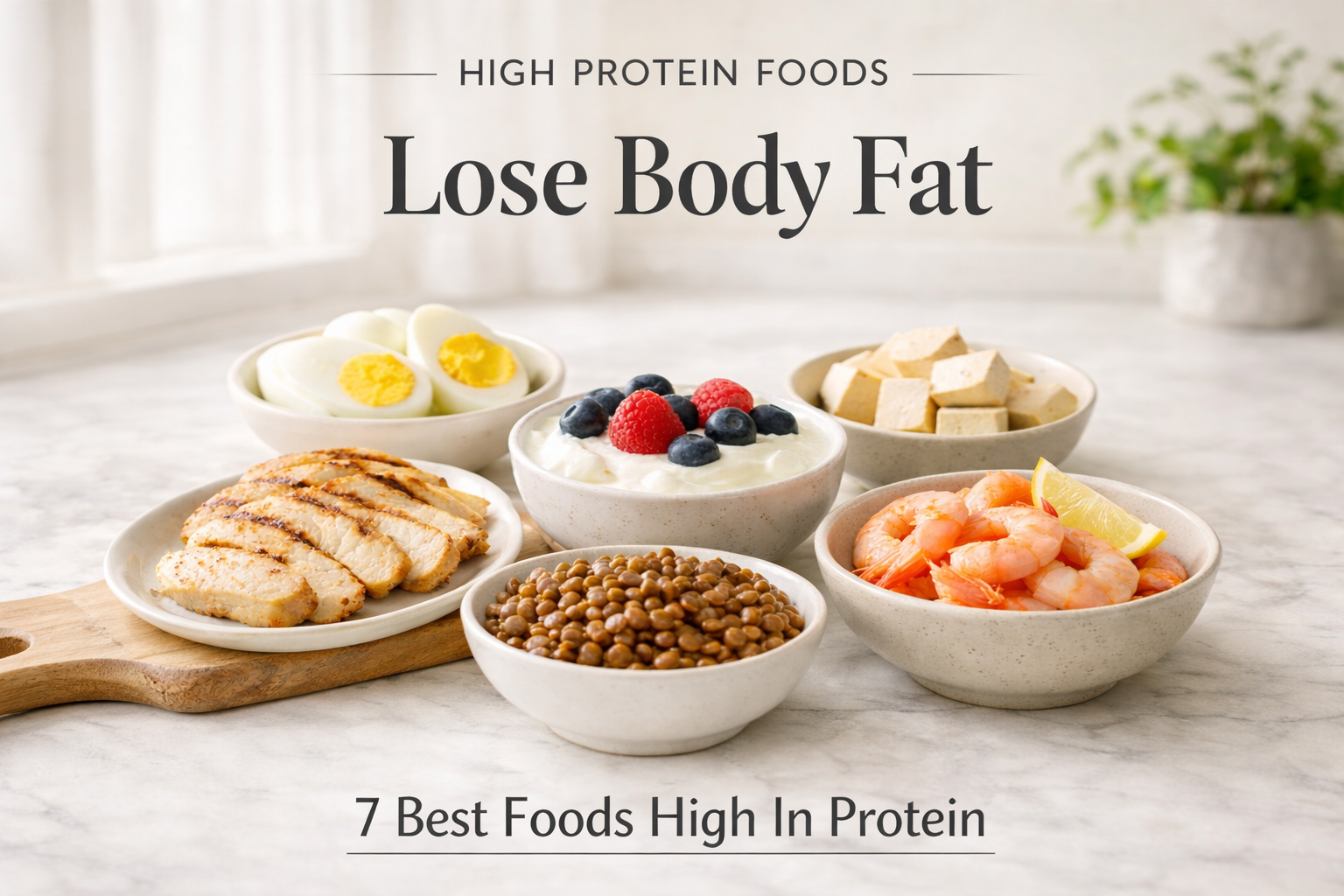
- Lean proteins to support metabolism
- Healthy fats like avocado, nuts, and olive oil
- Hydration to reduce bloating and improve digestion
- Balanced meals that keep blood sugar stable
Small, sustainable changes always outperform extreme restrictions.
Final Thoughts
You don’t need to eliminate your favorite foods forever — but being mindful of frozen meals, fiber bars, and fruit juices can help you avoid hidden calories, reduce bloating, and stay full longer. When you choose whole, nutrient‑dense foods instead, your body naturally shifts toward better energy, better digestion, and a slimmer waistline.