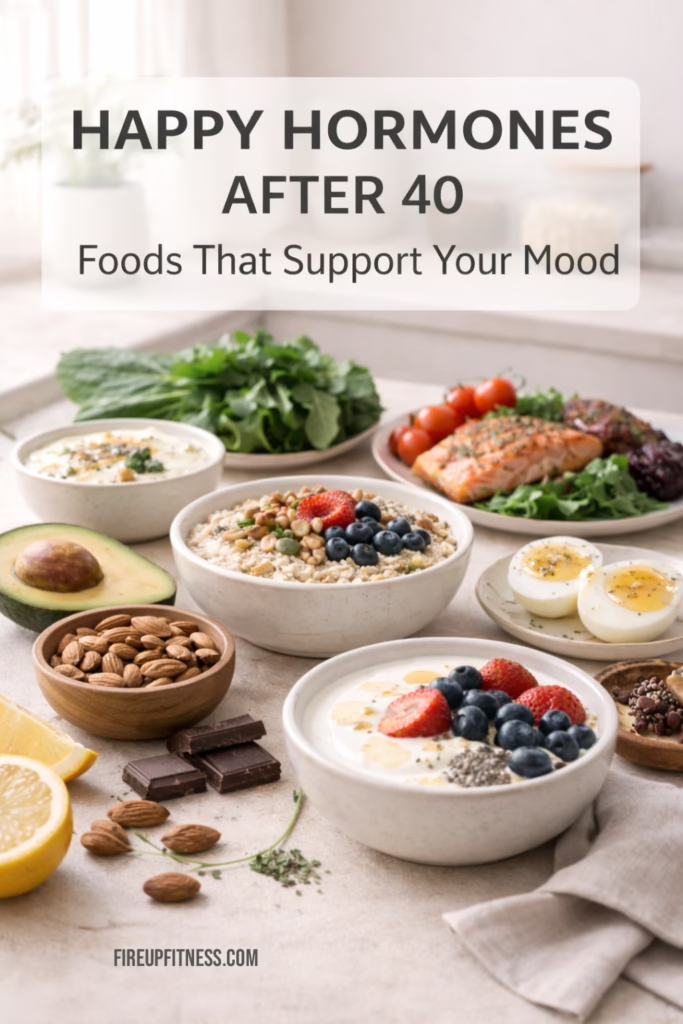
Happy Hormones After 40: 11 Foods That Support Your Mood Naturally
Somewhere after 40, many women notice that their mood doesn’t respond the way it used to.
Things that once rolled off easily may linger longer. Energy feels less predictable. A sense of emotional steadiness can come and go without warning — even when life itself hasn’t changed much.
It’s not imagined. And it’s not a personal failure.
Hormonal shifts during perimenopause and menopause quietly change how the body responds to stress, sleep, food, and even familiar routines. Estrogen fluctuations, changes in cortisol response, and slower recovery all influence how emotions are processed day to day.
That’s why conversations around happy hormones become especially relevant in your 40s and beyond — not as a trend, but as a way of understanding what your body now needs more support with.
Food plays a bigger role than many women expect. Not because it “fixes” hormones, but because the right foods help the body cope better with change — physically and emotionally.
The foods below are chosen with women over 40 in mind. They support mood, energy, and emotional balance in ways that feel realistic, gentle, and sustainable.

Why Mood Feels Different for Women Over 40
As estrogen levels fluctuate, the body becomes more sensitive to:
- Blood sugar swings
- Missed meals
- Poor sleep
- Chronic stress
This sensitivity often shows up emotionally first — irritability, low motivation, mental fatigue, or a general sense of feeling “off.”
Supporting happy hormones at this stage is less about stimulation and more about stability. Foods that steady energy, support the nervous system, and nourish the brain tend to make the biggest difference.
That’s where mood boosting foods quietly shine.
1. Oats — For Calm, Steady Energy
After 40, sharp energy spikes and crashes tend to feel more draining than energizing.
Oats digest slowly and help stabilize blood sugar, which supports steadier moods throughout the morning. Many women notice that starting the day with oats reduces irritability and mid-morning fatigue.
This kind of calm fuel becomes increasingly valuable as the body’s stress tolerance changes.
2. Eggs — For Brain Support and Emotional Resilience
Eggs provide nutrients that support brain signaling and mental clarity — both of which can feel less reliable during hormonal transitions.
For women over 40, meals that include enough protein often help reduce mood swings caused by blood sugar dips. Eggs are easy to include and help meals feel grounding rather than rushed.
3. Fatty Fish — For Emotional Balance
Fatty fish are often associated with cognitive health, but many women over 40 notice something else: emotional steadiness.
As estrogen declines, the brain becomes more sensitive to inflammation and stress. Foods that support brain structure and signaling often help buffer these effects over time.
Even eating fatty fish a few times a week can feel supportive.
4. Yogurt and Fermented Foods — For Gut–Mood Connection
The gut plays a growing role in mood regulation as we age.
Hormonal shifts can affect digestion, which in turn influences how neurotransmitters are produced. Fermented foods help support gut balance, which many women notice leads to more consistent mood and energy.
These foods don’t need to be eaten in large amounts — consistency matters more than quantity.
5. Dark Chocolate — For Pleasure and Stress Relief
After 40, pleasure itself becomes an important part of emotional health.
Dark chocolate often helps women feel more relaxed and emotionally satisfied — not just because of its compounds, but because it allows enjoyment without guilt.
Stress management isn’t only about removing stressors; it’s also about allowing moments of comfort.
6. Bananas — For Nervous System Support
Bananas support nerve signaling and help meals feel more balanced, especially when paired with protein or fat.
For women experiencing anxiety, tension, or sleep disruption, foods that support the nervous system gently — rather than stimulating it — often feel more helpful.
7. Nuts and Seeds — For Hormonal Stability
Healthy fats become increasingly important after 40.
Nuts and seeds help support hormone production and reduce the intensity of blood sugar swings. Many women notice fewer energy dips and less irritability when these foods appear regularly.
They’re small, but their impact adds up.
8. Leafy Greens — For Stress and Energy Support
As cortisol regulation changes with age, the body often benefits from foods that support stress resilience.
Leafy greens provide nutrients that help with energy metabolism and nervous system balance. They don’t need to dominate meals — even small additions count.
9. Berries — For Brain and Mood Protection
Oxidative stress increases with age and can influence both physical and emotional fatigue.
Berries support brain health and often feel uplifting simply because they’re light, refreshing, and enjoyable — which matters more than we sometimes acknowledge.
10. Whole Grains — For Emotional Steadiness
Whole grains help reduce mood swings tied to blood sugar fluctuations — a common issue during perimenopause.
Meals that digest slowly tend to support calmer emotional responses, especially on busy or stressful days.
11. Avocado — For Satisfaction and Calm
Avocado adds richness and satisfaction to meals, which helps reduce feelings of deprivation — something that can heighten emotional stress after 40.
Foods that feel nourishing and complete often support feeling happy simply by reducing decision fatigue around eating.

How These Foods Support a Healthy Lifestyle After 40
For women over 40, mood support often improves when:
- Meals feel regular and balanced
- Eating feels calm rather than controlled
- Pleasure is allowed
- Energy is supported, not forced
A healthy lifestyle at this stage is less about pushing harder and more about listening more carefully.
Small Shifts That Often Help More Than Big Changes
Many women notice mood improvements when they:
- Eat protein and fiber together
- Avoid long gaps between meals
- Slow down eating when possible
- Choose nourishment over restriction
These habits often support happy hormones more effectively than dramatic diet changes.
Lifestyle Habits That Support Happy Hormones After 40
Food does a lot of quiet work behind the scenes, but for many women over 40, it works best when it’s supported by a few gentle daily habits. These aren’t rules or routines to perfect. They’re small patterns that tend to make the body feel safer, steadier, and better able to adapt to hormonal change.
Think of them as companions to the foods you’re already choosing.
Eat at Regular, Unrushed Intervals
As hormones shift, the body becomes less forgiving of long gaps between meals. Skipping meals or eating late often shows up emotionally first — irritability, low energy, or feeling suddenly overwhelmed.
Eating regularly, even if meals are simple, helps stabilize blood sugar and reduces stress signals in the body. This allows mood-supportive foods to do their job more effectively.
Pair Food With Gentle Movement
Movement doesn’t need to be intense to support happy hormones.
Walking, light stretching, or slow strength work often complements mood-boosting foods better than high-intensity workouts, especially during perimenopause or menopause. Gentle movement improves circulation, supports stress regulation, and helps the body use nutrients more efficiently.
Many women notice they feel calmer and more grounded when movement feels supportive rather than demanding.
Prioritize Sleep Consistency Over Perfection
After 40, sleep quality often affects mood more than diet alone.
Rather than aiming for perfect sleep, consistency tends to matter more. Going to bed and waking up around the same time helps regulate cortisol and supports emotional balance.
Mood-supportive foods work best when the nervous system has enough rest to process stress and recover.
Reduce Decision Fatigue Around Food
Constantly thinking about what to eat can be more draining than the food itself.
Keeping a few familiar, nourishing meals on repeat — like oats, yogurt, eggs, or simple grain bowls — reduces mental load. Less decision fatigue often translates into more emotional steadiness, which is an underrated part of feeling balanced after 40.
Eat Without Distraction When Possible
Eating while multitasking sends subtle stress signals to the body.
Even a few meals a week eaten calmly — without scrolling or rushing — can improve digestion and satisfaction. When the body feels safe while eating, it’s better able to absorb nutrients that support mood and energy.
This habit pairs especially well with gut-supportive foods like yogurt, whole grains, and leafy greens.
Allow Pleasure Without Guilt
After 40, emotional well-being is closely tied to how restrictive eating feels.
Enjoying foods like dark chocolate, avocado, or favorite comfort meals without guilt supports relaxation and reduces chronic stress. Pleasure itself plays a role in hormonal balance, especially when stress levels are already high.
Feeling nourished emotionally matters just as much as feeling nourished physically.
Create Small Daily Pauses
Short pauses throughout the day — even a few minutes — help regulate stress hormones.
This could be stepping outside, making tea, breathing deeply, or sitting quietly before meals. These moments give the nervous system space to reset, allowing mood-supportive foods to work in a calmer internal environment.
How It All Comes Together
For women over 40, supporting happy hormones is rarely about doing more. It’s about doing less, more consistently.
When nourishing foods are paired with gentle routines, the body often responds with:
- More stable energy
- Fewer emotional swings
- Improved resilience to stress
These changes may feel subtle at first, but over time they tend to add up in meaningful ways.
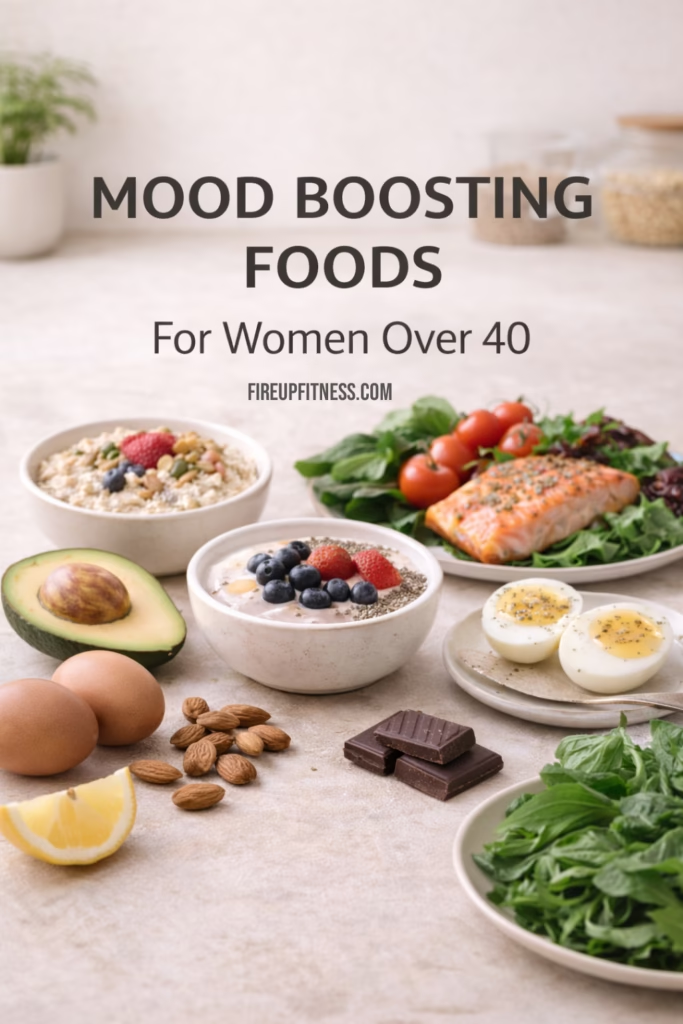
Happy Hormones Daily Routine After 40
This routine isn’t meant to be followed perfectly or all at once. Think of it as a gentle rhythm — a way of moving through the day that supports mood, energy, and emotional steadiness as hormones shift.
You can adopt parts of it, skip others, or adjust it to fit your life. What matters most is how it feels, not how closely it’s followed.
Morning: Start With Steady Energy
Mornings often set the tone for the day, especially after 40.
Begin with a breakfast that includes fiber, protein, and healthy fats — like oats with seeds, eggs with whole-grain toast, or yogurt with berries. These combinations support stable blood sugar, which can reduce early-day irritability and mental fog.
If possible, get a few minutes of natural light or gentle movement. A short walk, light stretching, or simply standing by a window helps signal calm alertness to the body.
Midday: Support Focus and Emotional Balance
By midday, energy can dip more easily than it used to.
A balanced lunch that includes whole foods — leafy greens, whole grains, healthy fats, and protein — often helps maintain emotional steadiness. This is also a good time to include foods like avocado, nuts, or fermented options that support mood regulation.
Taking even a short pause before eating — a few breaths or a moment of stillness — helps digestion and reduces stress signaling.
Afternoon: Prevent the Energy Crash
Afternoons are when mood swings and fatigue often show up.
Instead of pushing through, a small, nourishing snack can help — fruit with nuts, yogurt, or a smoothie built around fiber and protein. These choices support steady energy without overstimulation.
A brief movement break, such as a walk or light stretching, often improves mood more effectively than caffeine alone.
Evening: Shift Toward Calm
Evenings are about signaling safety and rest to the body.
Dinner doesn’t need to be heavy, but it should feel satisfying. Meals that include complex carbohydrates, healthy fats, and protein often support relaxation and help reduce nighttime restlessness.
This is also a good time to limit intense stimulation when possible. Calmer activities, softer lighting, and slower pacing help cortisol levels settle.
Night: Protect Sleep and Emotional Recovery
Sleep plays a major role in emotional balance after 40.
A consistent bedtime routine — even a simple one — helps the nervous system wind down. This could include reading, gentle stretching, or quiet reflection.
Foods and habits that support digestion and relaxation earlier in the evening often lead to more restorative sleep, which directly supports happy hormones the next day.
A Note on Consistency
This routine isn’t about control or discipline.
Many women notice the biggest mood improvements when they focus on:
- Regular nourishment
- Gentle movement
- Emotional safety
- Reduced pressure
Over time, these patterns help the body adapt more smoothly to hormonal changes — making mood feel more predictable and manageable.
Final Thoughts
Supporting happy hormones after 40 isn’t about chasing constant positivity. It’s about creating steadiness — in energy, emotions, and daily rhythms.
Food doesn’t need to solve everything. But when it supports the body through hormonal change, it often makes emotional life feel more manageable.
And sometimes, feeling more balanced is more powerful than feeling “happy” all the time.