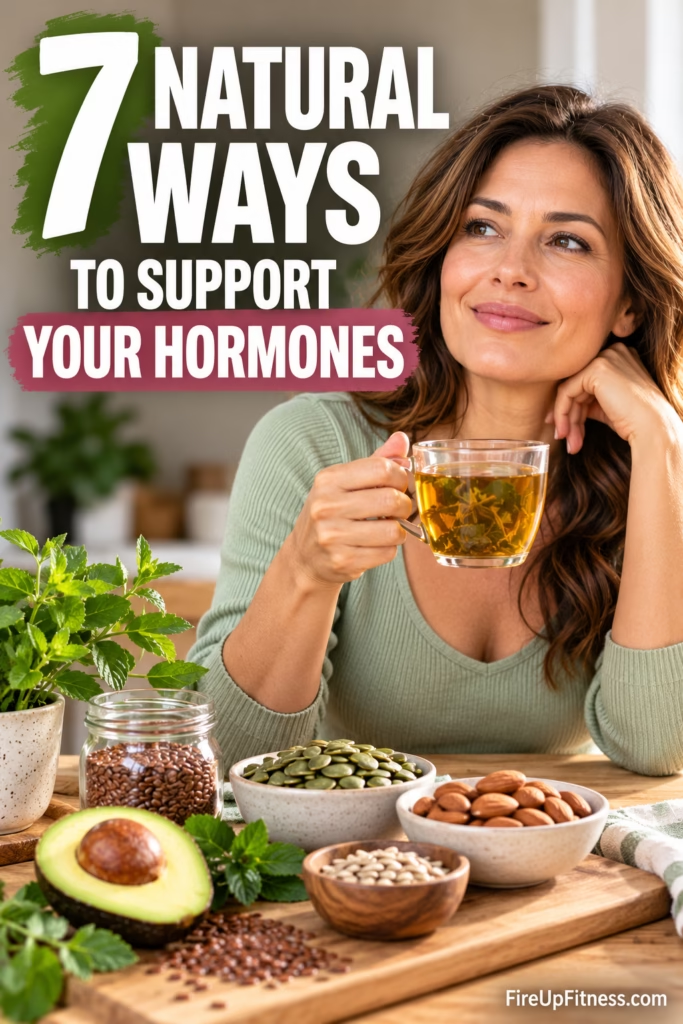

7 Natural Remedies to Support Hormonal Balance
Hormones play a vital role in every woman’s well-being. They regulate everything from energy levels and metabolism to mood, sleep, fertility, and skin health. When they’re in sync, life feels a lot smoother. But when they fall out of balance? The effects can show up fast—and hit hard.
Many women struggle with hormonal imbalances without even realizing it. Whether it’s persistent fatigue, mood swings, irregular periods, weight gain, or trouble sleeping, the underlying cause is often hormonal. The good news is that you can begin to restore balance with a few powerful yet gentle adjustments—no prescription needed.
In this article, we’re diving into 7 science-backed, natural remedies for hormonal balance every woman should know about. These strategies are safe, effective, and easy to incorporate into your daily routine.
Why Hormonal Balance Is Crucial for Women
Hormones are chemical messengers that influence nearly every function in the body. Estrogen, progesterone, cortisol, insulin, and thyroid hormones all work together to maintain harmony. But life factors like stress, poor diet, sleep deprivation, and aging can disrupt this delicate balance.
Common signs of hormonal imbalance in women:
- Irregular or heavy periods
- Weight gain or difficulty losing weight
- Fatigue or brain fog
- Mood swings, anxiety, or depression
- Bloating and digestive issues
- Low libido or sexual discomfort
- Sleep disturbances
If any of these sound familiar, it may be time to explore ways to balance hormones naturally.
1. Seed Cycling to Support Estrogen and Progesterone
Seed cycling is a food-based strategy that supports hormonal fluctuations during the menstrual cycle. It involves consuming specific seeds during each phase of the cycle to nourish and regulate hormones.
How it works:
- Follicular phase (Days 1–14):
Eat 1 tablespoon of ground flax seeds and pumpkin seeds daily to support estrogen production. - Luteal phase (Days 15–28):
Eat 1 tablespoon of sunflower seeds and sesame seeds to help boost progesterone.
These seeds are rich in lignans, zinc, selenium, and omega-3 fatty acids—all nutrients that support healthy hormone production and detoxification.
Benefits:
- May help regulate menstrual cycles
- Can reduce PMS symptoms
- Supports estrogen-progesterone balance
2. Maca Root: An Ancient Remedy for Modern Women
Maca root is a nutrient-rich adaptogen that has been used for centuries in Peru to support women’s hormone health and increase stamina.
Benefits of maca root:
- May help balance estrogen levels
- Supports energy, mood, and libido
- Nourishes the endocrine system
- May ease perimenopausal and menopausal symptoms
How to use:
Add 1 teaspoon of gelatinized maca powder to a smoothie, oatmeal, or coffee. Start with a small amount and build up as tolerated.
Note: Maca is best taken in the morning as it can be energizing.
3. Ashwagandha: The Anti-Stress Hormone Hero
Chronic stress is one of the most common disruptors of hormonal balance. When cortisol (the stress hormone) stays elevated, it can throw off estrogen, progesterone, and thyroid hormones.
That’s where ashwagandha comes in. As an adaptogenic herb, it helps the body respond to stress more efficiently.
Hormonal benefits of ashwagandha:
- Reduces cortisol levels
- Supports thyroid function
- Promotes restful sleep
- May help with anxiety and mood regulation
How to use:
Available as capsules, tinctures, or powder. Take 300–600 mg daily, preferably in the evening.
4. Vitex (Chaste Tree Berry): A Go-To for Menstrual Irregularities
Vitex agnus-castus, commonly known as chasteberry, is a powerful herb that supports the pituitary gland—the part of the brain that regulates hormone signals.
Best for:
- Irregular or absent menstrual cycles
- PMS and mood swings
- Low progesterone levels
- Hormonal acne
How to use:
Take as a supplement (capsules or tincture) daily. It may take 2–3 months to notice full effects, so consistency is key.
Note: Do not use during pregnancy or while taking hormonal birth control.
5. Magnesium: The Mineral Women Don’t Get Enough Of
Magnesium is essential for hundreds of bodily processes, including hormone regulation, sleep, and muscle function. Yet many women are magnesium-deficient due to stress, caffeine, and poor dietary intake.
How magnesium supports hormonal balance:
- Calms the nervous system
- Supports blood sugar balance
- Reduces PMS symptoms
- Aids in estrogen detoxification
Top magnesium-rich foods:
- Leafy greens (spinach, chard)
- Pumpkin seeds
- Almonds
- Avocados
- Black beans
Supplement option:
Consider magnesium glycinate or citrate—forms that are gentle and well-absorbed. A dose of 200–400 mg at night can also promote sleep.
6. Herbal Teas for Gentle Hormonal Support
Herbal teas are a soothing and effective way to support natural hormone balance daily. Certain herbs are especially helpful for easing symptoms of PMS, PCOS, and perimenopause.
Best teas for women’s hormone health:
- Raspberry Leaf Tea: Supports uterine tone and menstrual flow
- Spearmint Tea: Helps reduce androgen levels in women with PCOS
- Licorice Root Tea: Supports adrenal health and balances estrogen
- Dandelion Root Tea: Promotes liver detox and estrogen clearance
How to use:
Drink 1–2 cups per day. You can rotate teas or tailor them to your cycle phase and specific needs.
7. Lifestyle Habits That Promote Hormonal Harmony
No supplement or superfood can outmatch daily habits. To balance hormones naturally, focus on creating a lifestyle that nourishes your body and mind.
Daily habits to support hormonal balance:
- Prioritize sleep: Aim for 7–9 hours of quality rest
- Exercise regularly: Mix strength training, walking, and yoga
- Eat healthy fats: Include flaxseed, avocados, nuts, and olive oil
- Avoid refined sugars and caffeine excess
- Minimize exposure to hormone disruptors (avoid BPA, phthalates, parabens)
- Practice stress reduction: Meditation, breathwork, or journaling
“When you take care of your body, it takes care of you.”
When to Seek Medical Advice
While these natural remedies for hormonal balance are safe and effective for many, some symptoms may signal an underlying condition such as thyroid disorders, PCOS, or endometriosis.
Consider talking to a healthcare provider if you experience:
- Severe or worsening symptoms
- Infertility concerns
- Prolonged menstrual irregularities
- Persistent fatigue or depression
Combining natural approaches with professional guidance can lead to the best long-term outcomes.
Final Thoughts: Start Small, Stay Consistent
Hormonal balance isn’t about perfection—it’s about creating sustainable habits that support your health at every stage. Whether you’re dealing with PMS, stress-related imbalances, or navigating midlife changes, these 7 natural remedies offer gentle yet effective support.
Choose one or two to start with and build from there. Your body is wise—it just needs the right tools to come back into balance.
“Healing doesn’t mean the damage never existed. It means the damage no longer controls our lives.”