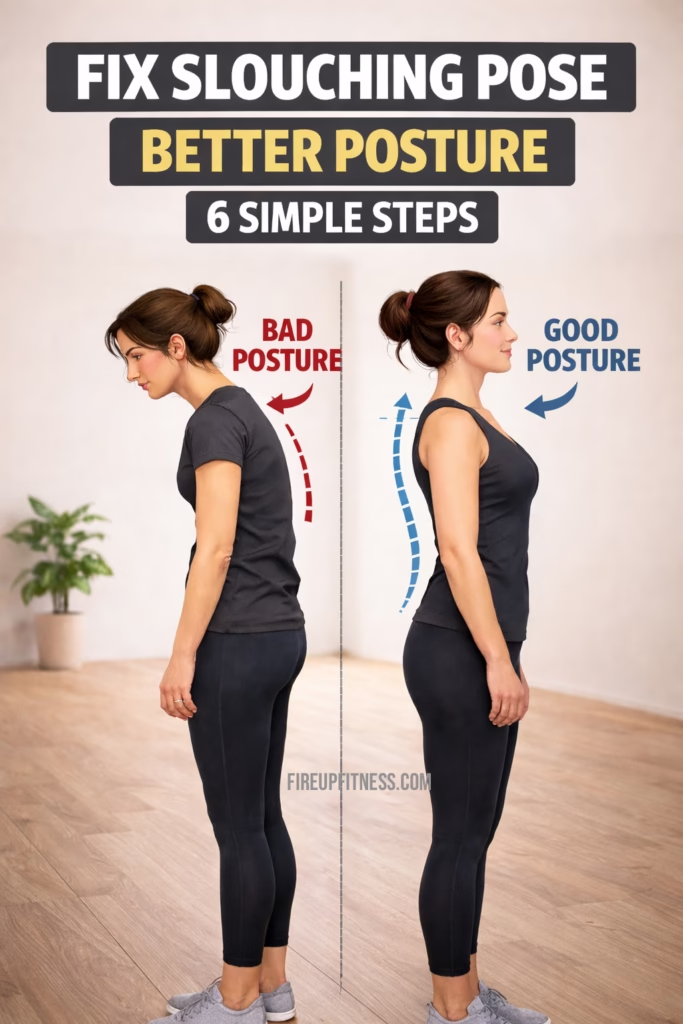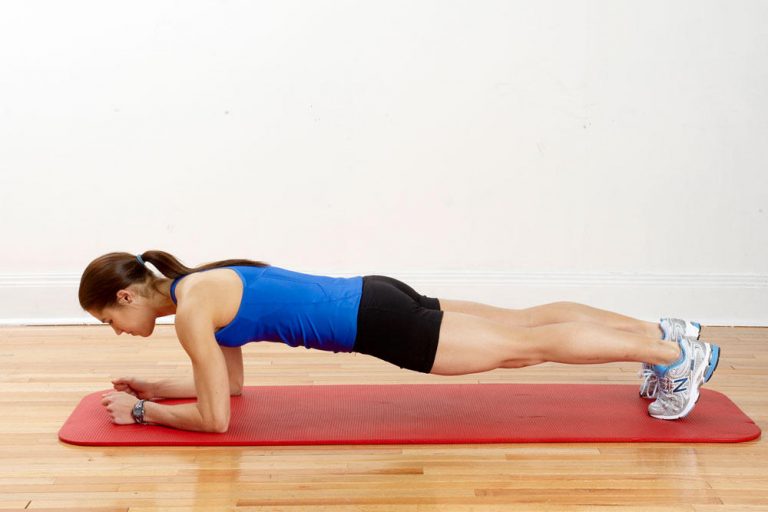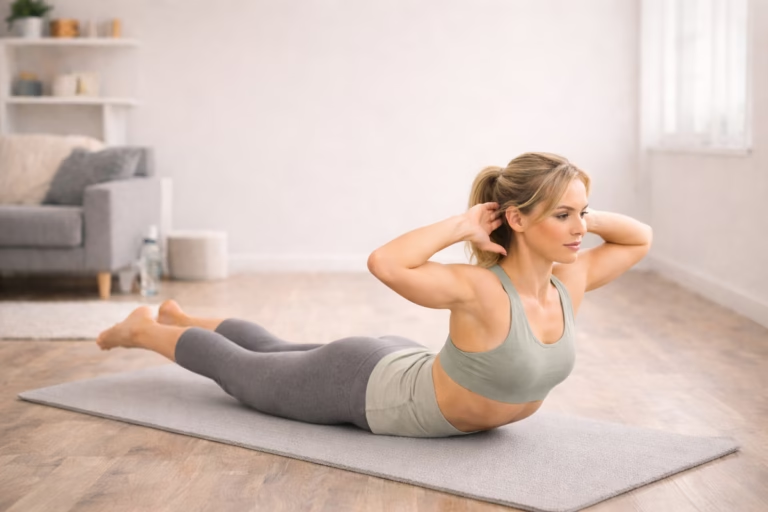
Fix Slouching Pose: 6 Simple Steps to Better Posture
Do you ever catch yourself leaning forward while scrolling on your phone… shoulders rounded… chin pushed out… back curved like a question mark?
That’s the classic slouching pose—and it’s one of the most common posture problems women deal with today.
The truth is, slouching isn’t just “bad posture.” It affects your energy, confidence, neck and shoulder comfort, and even how your core and glutes function. Over time, it can lead to stiffness, tension headaches, and that constant feeling of tightness across your upper back.
But here’s the encouraging part: posture is trainable.
You don’t need a posture brace, fancy equipment, or a complicated routine. You just need to know what to adjust, what to strengthen, and what to stretch.
As the saying goes:
“Small changes repeated daily create big transformation.”
In this post, I’ll walk you through 6 simple steps to fix your slouching pose, plus an easy routine you can start today.
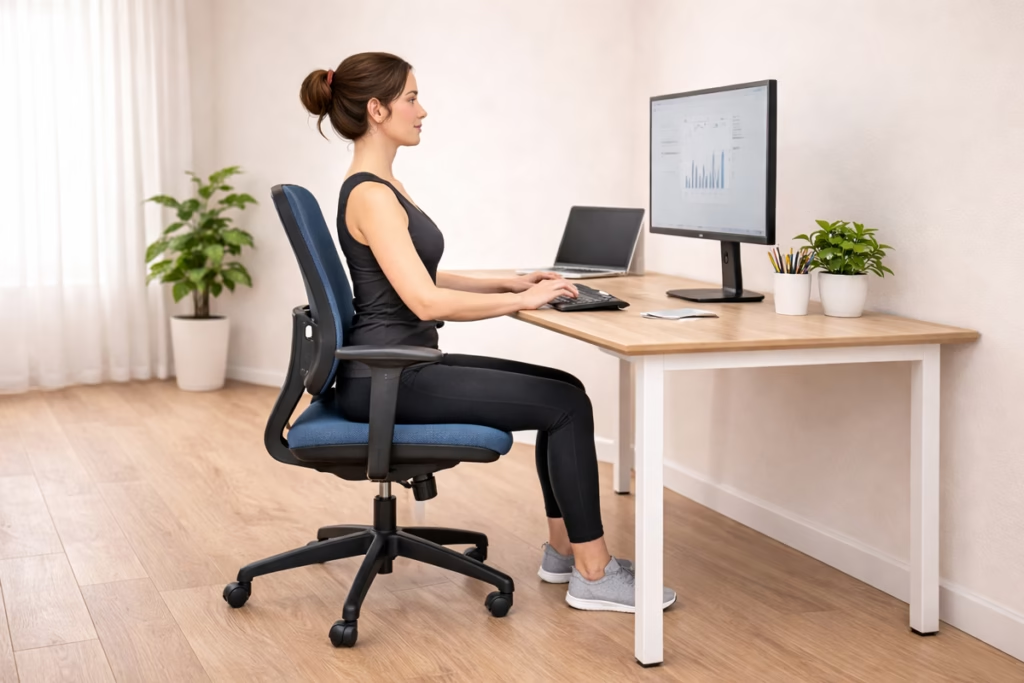
What Is a Slouching Pose?
A slouching pose happens when your posture collapses forward, usually with:
- Rounded shoulders
- Forward head position (chin jutting out)
- Upper back curved (hunched)
- Weak core engagement
- Hip slumping while sitting
It often feels “relaxed,” but it forces your muscles to work inefficiently. Your neck and shoulders take on extra stress, and your core muscles become less active.
Over time, the body adapts to that position—meaning slouching becomes your default.
Why Slouching Is So Common (Especially for Women)
If you sit for work, drive a lot, use your phone often, or carry stress in your shoulders, you’re not alone.
Common causes include:
- Desk jobs and long sitting hours
- Phone use (tech neck)
- Weak upper back and core muscles
- Tight chest muscles
- Poor workstation setup
- Lack of movement breaks
- Postpartum posture changes
- Stress and tension habits
This is why focusing only on “sitting straight” rarely works. Posture needs muscle re-training, not just reminders.
How to Fix Bad Posture (The Right Way)
To fix bad posture, you need to do 3 things:
- Reset alignment (so you know what good posture feels like)
- Strengthen support muscles (upper back, core, glutes)
- Stretch tight areas (chest, hip flexors, neck)
That’s exactly what the next section covers.
Fix Your Slouching Pose in 6 Simple Steps
1) Stand Tall (Neutral Spine Reset)
Before anything else, you need a simple posture reset.
Try this:
- Stand with feet hip-width apart
- Soft bend in the knees (don’t lock them)
- Imagine a string pulling the crown of your head upward
- Keep ribs stacked over hips (don’t flare ribs forward)
This is neutral spine—not stiff, not overly arched.
Quick check: your shoulders should feel relaxed, not forced back.
2) Pull Your Shoulders Back (Without Overdoing It)
A huge mistake people make is pulling shoulders aggressively back and down, which creates tension.
Instead, aim for a gentle shoulder reset:
- Lift shoulders slightly up
- Roll them back
- Let them drop naturally
Your shoulder blades should slide down your back, not pinch together like you’re squeezing a pencil.
This opens your chest and sets you up for correct posture without strain.
3) Engage Your Core (The Missing Piece Most Women Ignore)
If your core isn’t active, your upper body collapses.
To wake up the core:
- Exhale slowly
- Pull your belly button gently toward the spine
- Feel your ribs pull down slightly
This isn’t a “suck in your stomach” move—it’s more like bracing the middle so your spine stays supported.
Tip: If you engage your core and instantly feel taller, your posture was relying on your lower back before.
4) Align Your Head (Fix Forward Head Posture)
Forward head posture is a major part of slouching pose.
This happens when your chin pushes forward and your neck muscles work overtime.
Do this simple correction:
- Bring chin slightly back (like making a “double chin”)
- Keep eyes level
- Imagine your ears stacking directly over shoulders
This may feel weird at first because your body is used to leaning forward.
But this step alone makes a huge difference for neck strain and shoulder tension.
5) Take Breaks and Stretch (Posture Fix Requires Movement)
Even perfect posture collapses when you stay still for too long.
Set a simple goal:
Move for 30–60 seconds every 30–45 minutes.
Try:
- Shoulder rolls
- Neck side stretches
- Chest opener stretch (hands behind back, gentle lift)
- Standing back bend (light)
Posture improves faster when your body isn’t stuck in one position all day.
6) Use an Ergonomic Setup (Because Your Chair Might Be the Problem)
If your workspace forces you into slouching, you’re fighting an uphill battle.
Here’s a posture-friendly setup:
- Screen at eye level (no looking down)
- Elbows close to your body
- Chair supports hips evenly
- Feet flat on the floor
- Lower back supported (small pillow works)
Even small changes—like raising your laptop—can help reduce slouching instantly.
How Long Does It Take to Fix Bad Posture?
This depends on consistency, but most women notice:
- 1–2 weeks: feeling taller, less shoulder tension
- 3–4 weeks: stronger core and better sitting posture
- 6–12 weeks: noticeable posture change and reduced slouching habits
The key is doing small posture work daily, not one long session once a week.
Signs Your Posture Is Improving
You’ll know you’re getting results when:
- You catch yourself slouching less often
- Neck stiffness decreases
- Your shoulders feel more open
- Sitting upright feels easier
- Core feels more “active”
- Confidence improves (posture affects presence more than you think)
Common Mistakes That Keep You Stuck in a Slouching Pose
1) Only stretching, not strengthening
Stretching alone won’t hold posture. You need upper back and core strength.
2) Over correcting posture
Forcing shoulders back hard creates more tension.
3) Ignoring hip tightness
If hip flexors are tight from sitting, your pelvis tilts and posture collapses.
4) Using braces as a long-term fix
Posture braces can help awareness, but muscle training fixes the root issue.
Final Thoughts
Fixing a slouching pose doesn’t require perfection. It requires consistency.
When you learn how to align your spine, activate your core, open your shoulders, and set up your environment correctly, posture becomes natural again.
And remember:
“Your posture is your body’s silent confidence.”
When you stand tall, you don’t just look better—you feel stronger too.
FAQ: Slouching Pose & Posture Correction
What is the fastest way to fix a slouching pose?
The fastest way is to combine posture resets with strengthening exercises like dead bugs and glute bridges, plus chest stretching daily.
Can I fix bad posture from years of slouching?
Yes. The body adapts to habits, but it also adapts to new ones. With consistent strengthening and mobility work, posture can improve significantly even after years.
Does slouching cause neck pain?
Yes. Slouching shifts the head forward, increasing load on the neck and upper back muscles, often causing tightness and discomfort.
How do I fix my posture while sitting?
Keep feet flat, screen at eye level, shoulders relaxed, and core gently engaged. Take movement breaks every 30–45 minutes.
Do posture corrector work?
They can help awareness short-term, but long-term posture improvement comes from strengthening the muscles that support alignment.