5 Healthiest Whole Grains to Eat for Better Health
Carbohydrates have gotten a bad reputation over the years, but not all carbs deserve to be treated the same.
There is a big nutritional difference between highly refined carbohydrates and naturally fiber-rich whole grain foods. Whole grains provide complex carbohydrates along with fiber, plant-based protein, B vitamins, iron, magnesium, selenium, and other important nutrients.
They can also make everyday meals more satisfying.
Instead of eliminating carbohydrates completely, one of the simplest ways to improve your diet is to choose whole grains instead of refined grains more often.
Oatmeal instead of a sugary breakfast cereal. Brown rice instead of white rice. Quinoa instead of a heavily processed side dish.
Small swaps like these can add up.
And there is no need to eat the same grain every day. From creamy oats and fluffy quinoa to hearty brown rice, there are plenty of delicious ways to bring whole grains into breakfast, lunch, dinner, and even snacks.
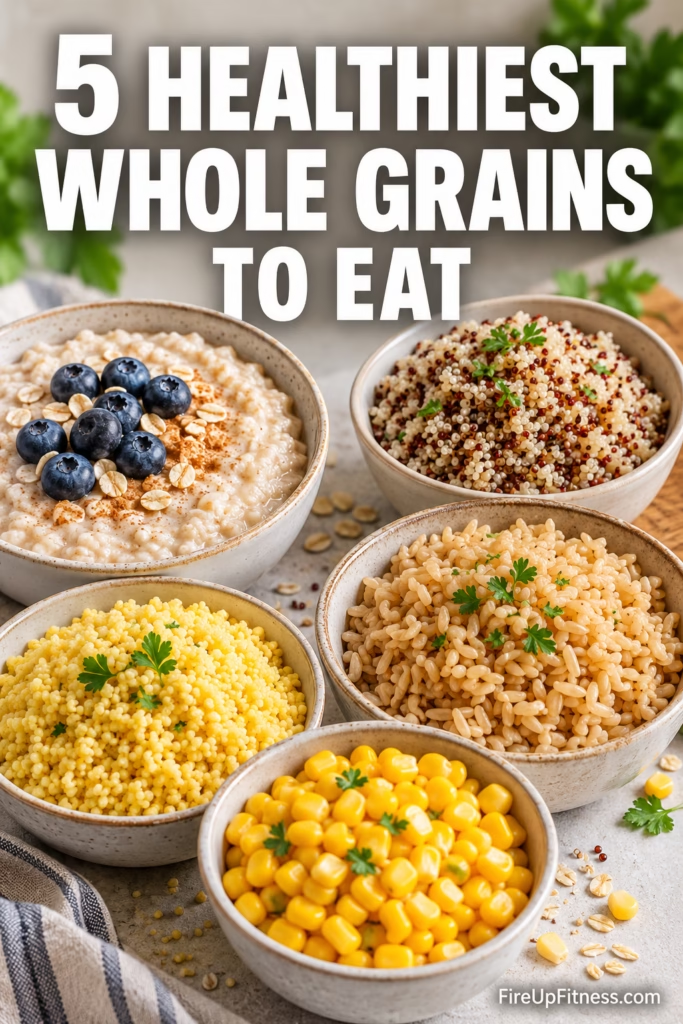
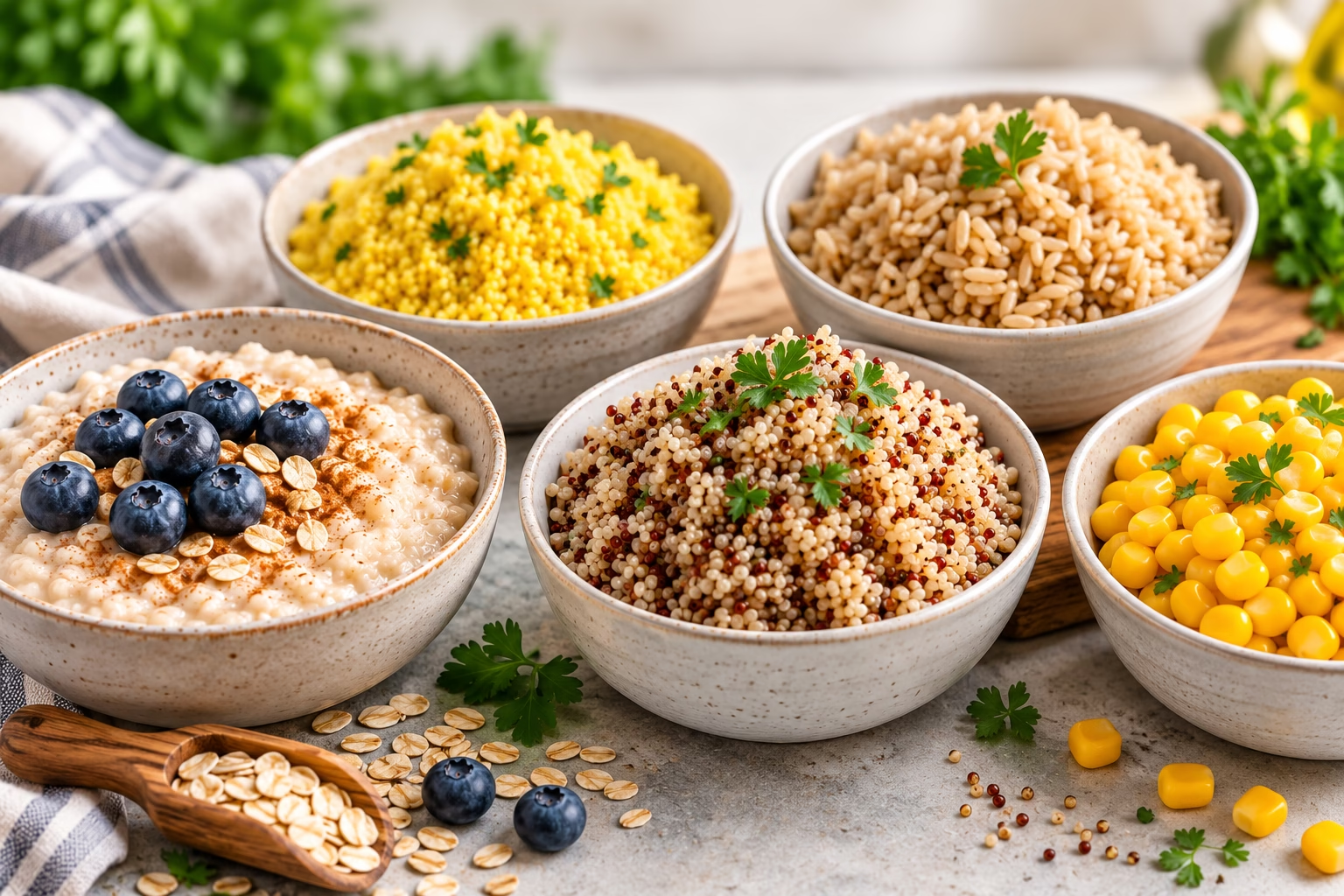
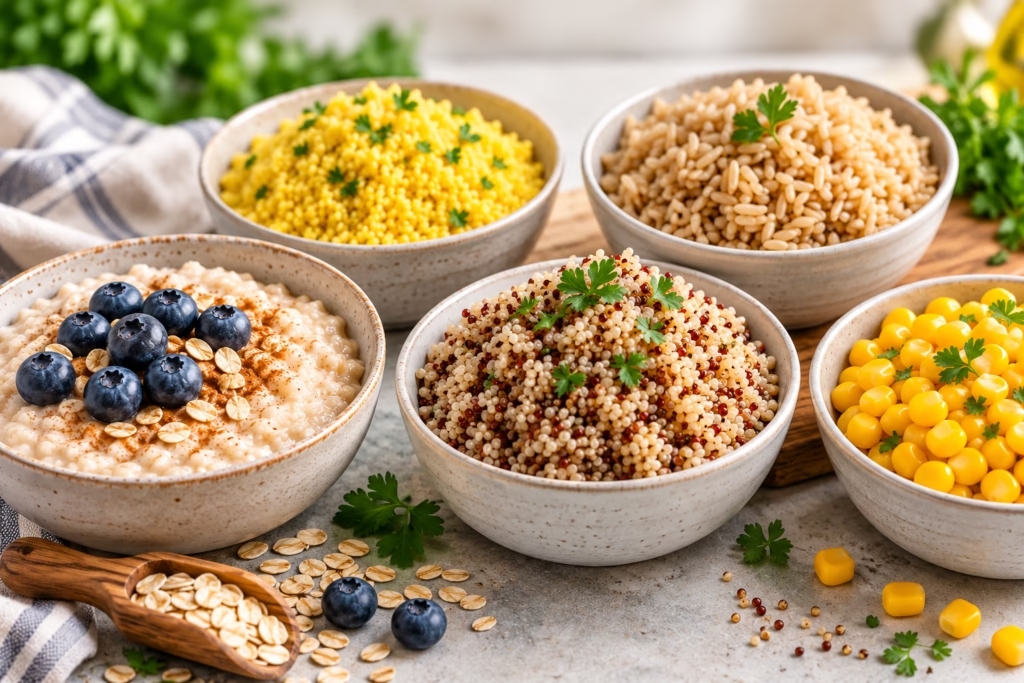
Here are five of the healthiest whole grains to eat, why they deserve a place in your diet, and simple ways to enjoy them.
What Are Whole Grains?
A whole grain contains the three naturally occurring parts of the grain kernel:
- Bran – the fiber-rich outer layer
- Germ – the nutrient-rich portion of the grain
- Endosperm – the largest part, containing mostly carbohydrates along with some protein
Because all three parts remain intact, whole grains generally retain more naturally occurring fiber and nutrients than refined grains.
Refined grains are processed to remove the bran and germ. This creates a softer texture and can extend shelf life, but much of the natural fiber and some nutrients are removed during processing.
That is why foods made primarily with whole grains can be a more nutritious everyday choice.
Why Are Whole Grains Good for You?
Whole grains aren’t simply a source of carbohydrates. They deliver a combination of nutrients that can support several areas of health.
1. They Provide Fiber
One of the biggest advantages of eating whole grains is their fiber content.
Fiber supports healthy digestion and can help keep bowel movements regular. Fiber-rich meals also tend to be more filling, which can make it easier to stay satisfied between meals.
Whole grains such as oats, brown rice, millet, and quinoa are easy ways to gradually increase the amount of fiber in your diet.
2. They Provide Steadier Energy
Whole grains contain complex carbohydrates.
Because whole grains contain fiber and retain more of their natural structure than many refined grain products, they generally take longer to digest.
That can make them a useful source of sustained energy, particularly when combined with protein and healthy fats.
For example, instead of eating plain toast for breakfast, try oatmeal topped with berries, nuts, and Greek yogurt.
The combination of carbohydrates, fiber, protein, and fat creates a much more balanced meal.
3. They Can Support Heart Health
A diet that regularly includes fiber-rich whole grains can be part of a heart-healthy eating pattern.
Certain whole grains are particularly interesting because of the types of fiber they contain.
Oats, for example, contain a soluble fiber called beta-glucan, which can help support healthy cholesterol levels when eaten regularly as part of a balanced diet.
4. They Help Make Meals More Satisfying
Have you ever eaten something and felt hungry again an hour later?
Meals built mostly around highly refined carbohydrates can sometimes leave you wanting more food surprisingly quickly.
Whole grains provide fiber and texture that can make meals more satisfying.
Pair them with vegetables and protein, and you have the foundation of a balanced meal that can keep you fuller for longer.
5. They Provide Important Nutrients
Depending on the grain, whole grains can provide nutrients including:
- B vitamins
- Iron
- Magnesium
- Selenium
- Manganese
- Phosphorus
- Plant-based protein
- Antioxidant compounds
Different grains offer slightly different nutritional profiles, which is another reason variety matters.
Rather than searching for one “perfect” grain, rotate several throughout the week.
5 Healthiest Whole Grains to Add to Your Diet
There are many nutritious whole grains available, but these five are especially easy to use in everyday meals.
1. Oats
If you want an affordable, convenient whole grain, oats are hard to beat.
Oats are naturally rich in soluble fiber, including beta-glucan. They also provide complex carbohydrates, plant-based protein, vitamins, and minerals.
Their combination of fiber and carbohydrates makes oats particularly useful for breakfast because they can provide lasting energy without requiring complicated preparation.
Easy Ways to Eat More Oats
Try:
- Warm oatmeal topped with berries
- Overnight oats
- Oats with banana and cinnamon
- Homemade oatmeal muffins
- Oats blended into smoothies
- Homemade granola
- Oat-based breakfast bars
For a more satisfying breakfast, add protein or healthy fats.
Try topping oatmeal with Greek yogurt, chia seeds, walnuts, almonds, natural peanut butter, or pumpkin seeds.
Quick Breakfast Idea
Cook oats with milk or water and add:
Oats + blueberries + walnuts + cinnamon + Greek yogurt
It takes only a few minutes but gives you a balanced combination of carbohydrates, fiber, protein, and healthy fats.
2. Quinoa
Quinoa has become popular for good reason.
Although technically a seed, quinoa is prepared and eaten like a whole grain and is commonly included in the whole-grain category.
One of quinoa’s standout features is its protein content. It contains all nine essential amino acids, making it a complete source of plant protein.
Quinoa also provides fiber, iron, magnesium, and complex carbohydrates.
Another advantage?
It cooks quickly.
Most quinoa can be ready in about 15 to 20 minutes, making it a convenient option for busy lunches and dinners.
Easy Ways to Eat Quinoa
Use quinoa:
- In grain bowls
- In salads
- Alongside grilled chicken or fish
- With roasted vegetables
- In stuffed peppers
- In soups
- As a breakfast porridge
- As a substitute for rice
Simple Quinoa Bowl
Combine:
Quinoa + roasted vegetables + chickpeas + avocado + lemon dressing
It is colorful, filling, and easy to prepare ahead of time.
Cook a larger batch of quinoa and keep it refrigerated so you can build quick meals throughout the week.
3. Brown Rice
Rice is a staple food around the world, and choosing brown rice is an easy way to include more whole grains in your diet.
Unlike white rice, brown rice retains its bran and germ.
That means it naturally contains more fiber and several nutrients that are reduced during the processing of white rice.
Brown rice provides complex carbohydrates along with nutrients such as magnesium, manganese, selenium, and B vitamins.
It is also naturally gluten-free.
Easy Ways to Eat Brown Rice
Brown rice works well with:
- Vegetable stir-fries
- Chicken
- Fish
- Lentils
- Black beans
- Chickpeas
- Burrito bowls
- Curries
- Roasted vegetables
Build a Balanced Brown Rice Bowl
Try:
Brown rice + black beans + grilled vegetables + avocado + salsa
You get whole grains, plant protein, fiber, vegetables, and healthy fats in one simple meal.
If regular brown rice takes too long to cook, prepare a large batch once or use quick-cooking or frozen brown rice for busy days.
4. Millet
Millet doesn’t receive as much attention as oats or quinoa, but it deserves a place in the whole-grain conversation.
This small, naturally gluten-free grain has been eaten around the world for thousands of years.
Millet provides complex carbohydrates, fiber, plant-based protein, magnesium, phosphorus, and other minerals.
One of its biggest advantages is versatility.
Depending on how you prepare it, millet can be fluffy like rice or creamy like porridge.
Easy Ways to Use Millet
Try millet:
- As a breakfast porridge
- As a side dish
- In grain bowls
- With roasted vegetables
- In soups
- In salads
- In homemade veggie patties
- As millet flour in certain baked recipes
Creamy Millet Breakfast
Cook millet until soft and top it with:
Banana + cinnamon + walnuts + berries
It is a nice alternative when you want a break from oatmeal.
5. Corn
Corn often gets overlooked when people talk about healthy whole grains, but whole corn absolutely counts.
The important distinction is how it is prepared.
Whole corn, popcorn, and products made from whole-grain cornmeal can provide fiber and beneficial plant compounds.
Corn naturally contains carotenoids including lutein and zeaxanthin, compounds associated with eye health.
Healthy Ways to Eat Corn
Try:
- Fresh corn on the cob
- Air-popped popcorn
- Whole-grain corn tortillas
- Polenta made with whole-grain cornmeal
- Corn added to bean salads
- Corn with vegetables and lean protein
Popcorn is particularly interesting.
Plain air-popped popcorn is a whole-grain snack.
The nutritional picture changes when popcorn is covered with large amounts of butter, salt, caramel, or sugary coatings, so preparation matters.
For a lighter snack, season air-popped popcorn with herbs or spices.
Whole Grains vs. Refined Grains: What’s the Difference?
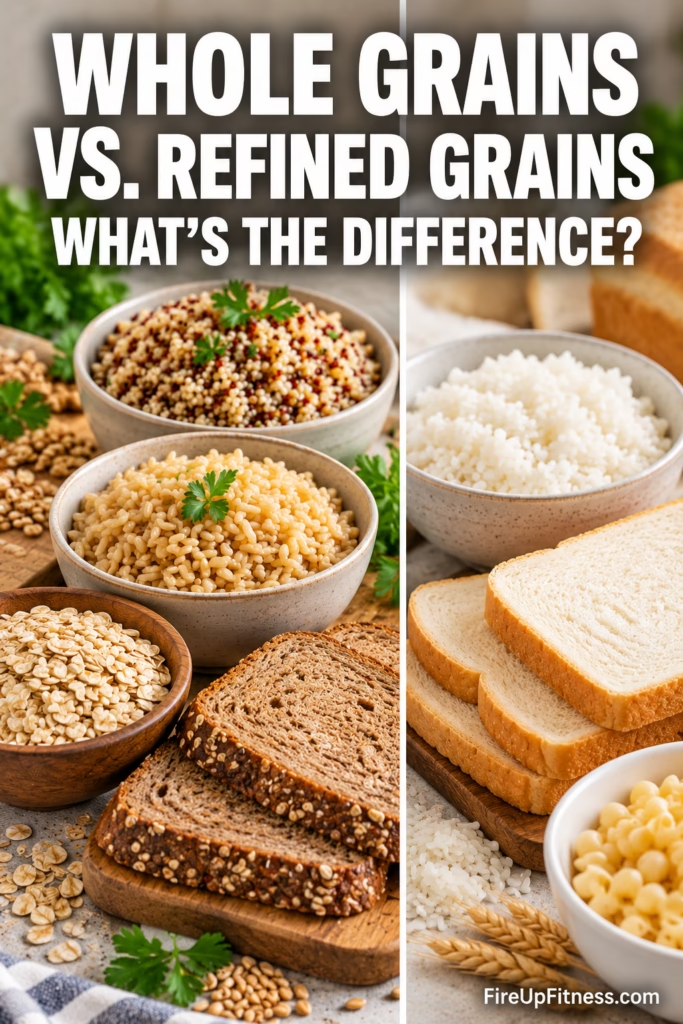
Whole grains retain the bran, germ, and endosperm.
Refined grains have been processed to remove the bran and germ.
Common refined grain foods include:
- White bread
- White rice
- Many crackers
- Pastries
- Cakes
- Products made primarily with refined white flour
This doesn’t mean you can never eat refined grains.
Nutrition doesn’t need to be all-or-nothing.
A more realistic approach is simply to replace some refined grains with whole grains.
For example:
Instead of: white rice
Try: brown rice or quinoa
Instead of: sugary breakfast cereal
Try: oatmeal
Instead of: refined-flour bread
Try: 100% whole-grain bread
Instead of: chips
Try: lightly seasoned popcorn
These are small changes that can gradually improve the nutritional quality of your overall diet.
How Much Whole Grain Should You Eat?
There isn’t one perfect amount of whole grains that works for everyone.
Your nutritional needs depend on factors such as age, activity level, total calorie needs, health goals, and the rest of your diet.
A practical approach is to make at least some of your grain choices whole grains each day.
For many people, replacing several servings of refined grains with whole-grain foods is an easier strategy than trying to completely redesign their diet.
A serving might look roughly like:
- 1 slice of whole-grain bread
- 1/2 cup cooked brown rice
- 1/2 cup cooked quinoa
- 1/2 cup cooked oatmeal
- A portion of whole-grain cereal
Rather than obsessing over an exact number, focus on gradually improving the quality of the grains you already eat.
How to Tell Whether a Food Is Really Whole Grain
Food packaging can be confusing.
Words such as:
“multigrain”
“made with whole grains”
or
“wheat bread”
don’t necessarily mean the product is primarily whole grain.
Even the color of bread can be misleading. Darker bread isn’t automatically healthier or higher in whole grains.
Instead, turn the package around and check the ingredient list.
Look for a whole grain near the beginning of the list, such as:
- Whole wheat
- Whole oats
- Brown rice
- Whole rye
- Whole barley
- Whole corn
- Quinoa
- Millet
For bread, look for products where whole wheat or another whole grain is listed as the first ingredient.
Also check the nutrition label for fiber, added sugar, and sodium.
The Healthiest Way to Eat Whole Grains
Whole grains can be nutritious, but the rest of the meal still matters.
Eating whole grains doesn’t automatically make every food healthy.
A heavily sweetened pastry made partly with whole-grain flour is still a dessert.
Similarly, adding large amounts of butter, sugar, creamy sauces, or salty toppings can change the nutritional profile of an otherwise nutritious grain.
Think about the entire plate.
A simple formula is:
Whole grain + protein + vegetables or fruit + healthy fat
For example:
Breakfast:
Oatmeal + berries + Greek yogurt + walnuts
Lunch:
Quinoa + chicken + vegetables + avocado
Snack:
Air-popped popcorn + fruit
Dinner:
Brown rice + salmon + broccoli + olive oil
This creates balanced meals rather than focusing on one “superfood.”
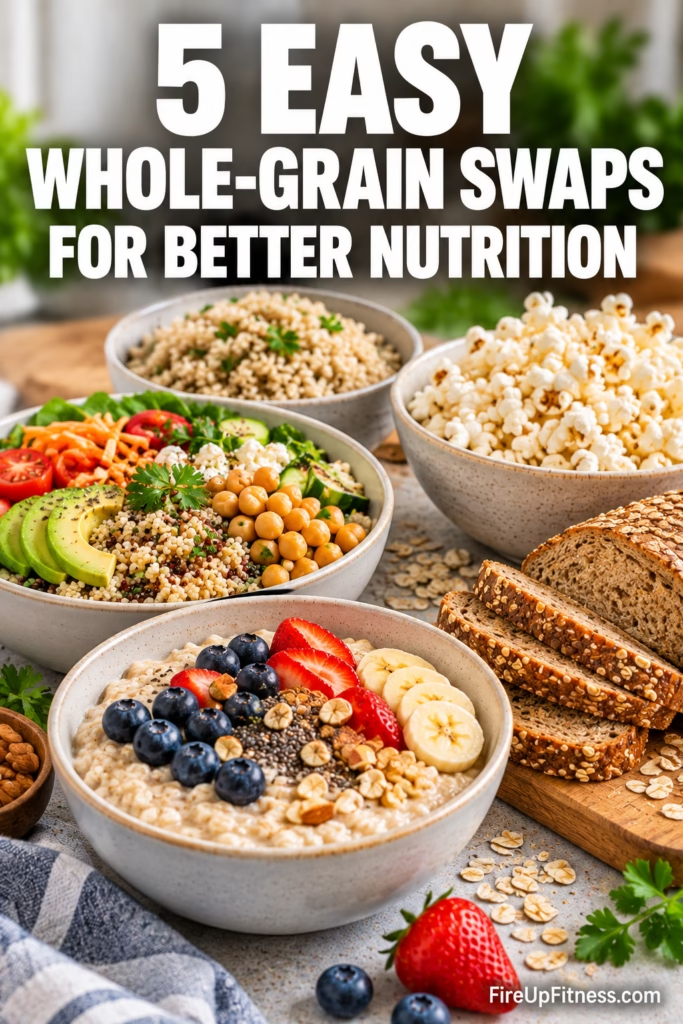
5 Easy Whole-Grain Swaps to Make This Week
You don’t have to overhaul your pantry overnight.
Start with the foods you already eat.
Try these simple swaps:
White rice → Brown rice
Sugary cereal → Oatmeal
Refined bread → 100% whole-grain bread
Chips → Air-popped popcorn
Refined pasta side dish → Quinoa or millet
Once these changes become normal, eating more whole grains starts to feel effortless.
Can Whole Grains Help With Fat Loss?
Whole grains aren’t a magic fat-loss food, but they can fit very well into a balanced diet designed to support a healthy body composition.
The fiber in whole grains can help meals feel more satisfying, which may make it easier to manage hunger.
But portions still matter.
Simply adding large servings of grains on top of everything you’re already eating won’t automatically help you lose body fat.
Instead, use whole grains to replace more heavily refined foods and combine them with protein, vegetables, fruit, and healthy fats.
For example, instead of a large plate of white pasta with little protein or vegetables, try a smaller serving of brown rice or quinoa alongside grilled chicken and a generous portion of vegetables.
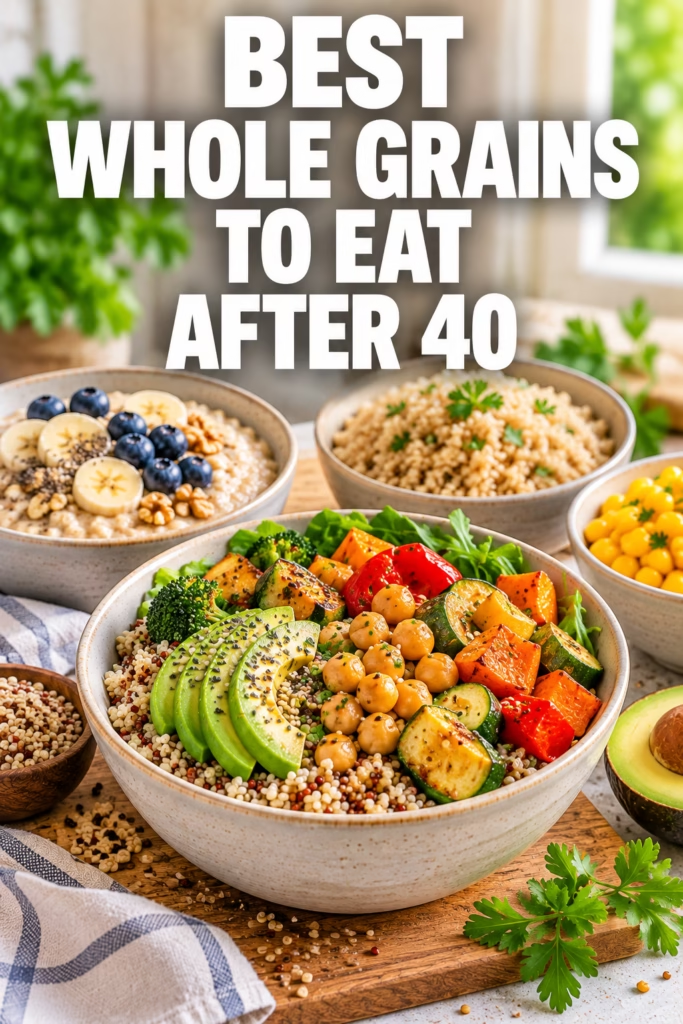
Are Whole Grains Good After 40?
Whole grains can be a valuable part of a healthy diet at any age, but nutritious food choices become especially important as we get older.
Fiber-rich foods can help support digestive health, while complex carbohydrates provide energy for walking, strength training, and other physical activity.
Whole grains can also help make meals more satisfying.
For women over 40, consider combining whole grains with adequate protein.
Instead of eating oatmeal alone, add Greek yogurt, nuts, or seeds.
Instead of eating brown rice alone, pair it with fish, chicken, tofu, lentils, or beans.
The goal isn’t simply to eat more carbohydrates. It is to build balanced meals that provide protein, fiber, healthy fats, and nutrient-rich carbohydrates.
What About Gluten?
Not all whole grains contain gluten.
Naturally gluten-free options include:
- Brown rice
- Quinoa
- Millet
- Corn
Oats are naturally gluten-free as well, but they may be exposed to gluten-containing grains during growing, processing, or packaging. People who need to strictly avoid gluten should choose oats specifically labeled gluten-free.
Wheat, barley, and rye contain gluten.
People who medically need to avoid gluten can still enjoy plenty of nutritious whole-grain options.
Don’t Forget Variety
Oatmeal might be wonderful, but you don’t need to eat it every morning.
One of the easiest ways to improve the nutritional variety of your diet is to rotate different whole grains.
You might have:
Monday: oatmeal
Tuesday: quinoa
Wednesday: brown rice
Thursday: millet
Friday: corn or popcorn
You can also explore other nutritious whole grains such as barley, farro, buckwheat, bulgur, and whole rye.
Different grains bring different flavors, textures, nutrients, and cooking possibilities to the table.
Final Thoughts
Whole grains don’t need to be complicated or trendy.
Some of the healthiest options are also some of the simplest foods you can keep in your kitchen: oats, quinoa, brown rice, millet, and whole corn.
They provide complex carbohydrates, fiber, plant-based protein, vitamins, minerals, and other beneficial compounds while giving you countless options for easy meals.
More importantly, you don’t have to completely change the way you eat to benefit from them.
Start with one simple swap.
Replace white rice with brown rice. Make oatmeal for breakfast. Add quinoa to your salad. Snack on lightly seasoned popcorn instead of chips.
Then build from there.
Healthy eating is rarely about finding one perfect food. It’s about creating a pattern of nutritious choices you can realistically keep making—and whole grains can fit beautifully into that pattern.