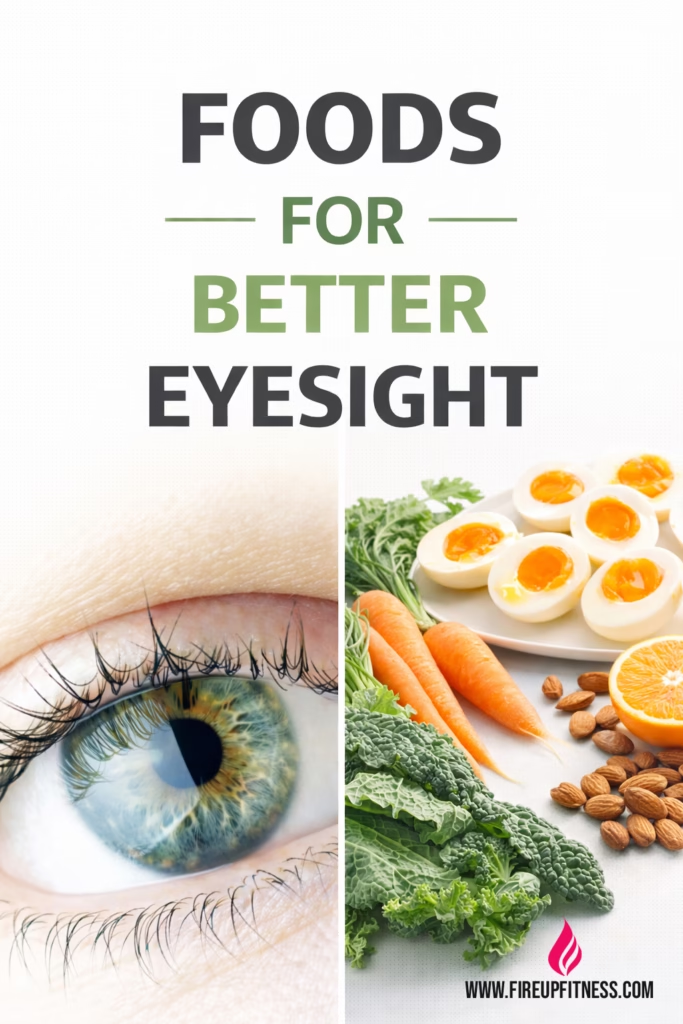
6 Foods That Support Better Eyesight Naturally
Most people don’t think about their eyesight until something feels off.
Maybe your eyes feel tired by the end of the day.
Maybe screens leave you squinting more than they used to.
Or maybe you’ve noticed that focusing takes a little longer than it once did.
Vision changes often happen quietly. And while no single food can “fix” eyesight overnight, what you eat does play a meaningful role in how your eyes age, recover, and handle daily strain.
Supporting eye health isn’t about drastic changes. It’s about consistently giving your body the nutrients it already uses to protect and maintain vision—especially as we get older.
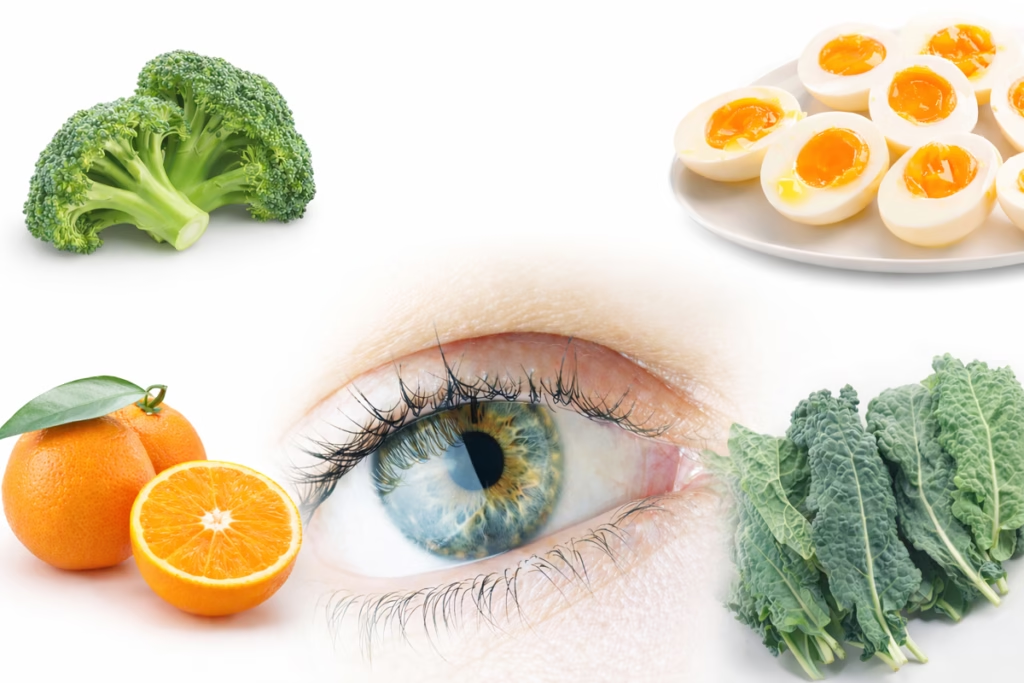
Why Nutrition Matters for Eye Health
Your eyes are metabolically active tissues. They rely on a steady supply of vitamins, antioxidants, and healthy fats to:
- Protect against oxidative stress
- Support the retina and macula
- Maintain moisture and comfort
- Adapt to light and focus changes
Over time, nutrient gaps can show up as dryness, fatigue, or slower visual adjustment—especially for people who spend long hours on screens or under artificial lighting.
What Feels Different After a Few Weeks
When people focus only on eye drops or screen breaks, they often miss a bigger piece of the picture.
Eye comfort and clarity are closely tied to overall nourishment. Diets lacking in colorful foods and healthy fats tend to show up as tired-looking eyes, frequent strain, or persistent dryness.
The goal isn’t perfection—it’s consistency.
Who This Is For
This guide is especially helpful if you:
- Spend a lot of time on screens
- Experience eye fatigue or dryness
- Want to support eyesight naturally
- Are focused on long-term health, not quick fixes
- Prefer food-first approaches
These foods work best as part of an overall healthy lifestyle—not as standalone solutions.
1. Leafy Greens
Leafy greens like spinach, kale, and collard greens are rich in compounds that naturally support eye health.
They contain antioxidants that help protect the eyes from light-related stress and support the health of the retina.
Easy ways to include them:
- Add to omelets or smoothies
- Use as a salad base
- Sauté lightly as a side dish
A little goes a long way when eaten regularly.
2. Carrots
Carrots are well-known for their connection to vision—and for good reason.
They provide nutrients that support how the eyes process light and maintain normal visual function, especially in low-light conditions.
Simple ideas:
- Snack on raw carrots
- Roast with olive oil
- Add to soups or stir-fries
They’re affordable, versatile, and easy to include.
3. Fatty Fish
Fatty fish like salmon, sardines, and mackerel provide healthy fats that support eye moisture and comfort.
These fats help maintain the structure of eye tissues and may support tear production—important for people who experience dry or irritated eyes.
Try:
- Baked or grilled salmon
- Sardines on whole-grain toast
- Adding fish to salads
Even a few servings per week can be beneficial.
4. Citrus Fruits
Citrus fruits such as oranges, lemons, and grapefruits offer vitamins that help protect eye cells from daily wear and tear.
They also support blood flow, which plays a role in delivering nutrients to the eyes.
Ways to enjoy them:
- Fresh fruit snacks
- Added to salads
- Squeezed into water for flavor
Fresh is best when possible.
5. Eggs
Eggs contain nutrients that support the retina and help the eyes filter harmful light.
They’re also one of the most bioavailable sources of these compounds, meaning the body absorbs them efficiently.
Simple options:
- Boiled eggs
- Scrambled or poached
- Added to bowls or salads
Eggs are especially helpful when paired with vegetables.
6. Nuts and Seeds
Nuts and seeds—especially almonds, walnuts, and sunflower seeds—provide nutrients that support overall eye resilience.
They help protect eye tissues from oxidative stress and support long-term eye health.
Easy additions:
- Sprinkle on yogurt or salads
- Snack on a small handful
- Add to oatmeal or smoothie bowls
Portion control matters, but regular intake is key.
Supporting Eye Health Beyond Food
While nutrition plays a central role, a few everyday habits can also support eye comfort:
- Taking breaks from screens
- Staying hydrated
- Getting adequate sleep
- Managing overall stress
Eye health is rarely about one thing—it’s about the full picture.
What to Expect When You Eat for Eye Health
Supporting eyesight through food is subtle. Most people notice:
- Less eye fatigue
- Improved comfort during long screen use
- Reduced dryness
- Better overall energy
These changes happen gradually, but they compound over time.
A Final Thought
Your eyes work hard every day—often without much attention.
Feeding them well isn’t about chasing perfect vision. It’s about giving your body what it needs to age well, adapt to daily demands, and stay comfortable long-term.
Small, consistent food choices can quietly support your eyesight in ways that matter more with each passing year.
Sometimes, the most powerful health habits are the ones that feel simple enough to sustain.