How to Treat Minor Sports Injuries at Home
Whether you’re enjoying a morning walk, exercising at home, playing your favorite sport, or trying a new workout, minor sports injuries can happen when you least expect them. One awkward step, sudden twist, or overstretched muscle can leave you dealing with pain, tenderness, or swelling.
The good news is that many mild sports injuries can improve with proper care, patience, and a gradual return to movement.
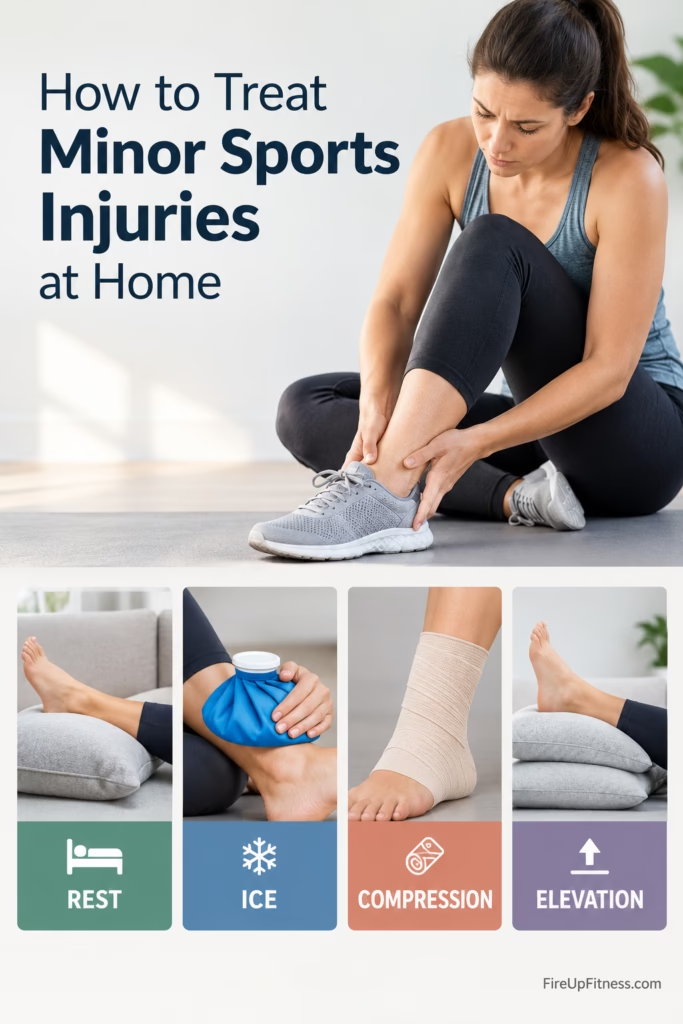
One of the best-known approaches to early injury care is the RICE method, which stands for Rest, Ice, Compression, and Elevation. These four simple steps can help manage discomfort and swelling during the first few days after an injury.
However, RICE is not a complete treatment for every injury. Modern recovery recommendations also emphasize protecting the injured area, avoiding prolonged inactivity, and gradually restoring comfortable movement.
Here’s what you should know about treating minor sports injuries safely at home.
What Are Minor Sports Injuries?
Minor sports injuries generally involve mild damage to muscles, ligaments, tendons, or other soft tissues. They may occur during workouts, recreational activities, or everyday movements.
Some common examples include:
- Mild ankle sprains: Stretching or minor tearing of the ligaments around the ankle.
- Muscle strains: Overstretching or injuring muscle fibers, often in the legs, back, or shoulders.
- Minor bruises: Tenderness or discoloration caused by small blood vessels breaking beneath the skin.
- Mild ligament injuries: Stretching or minor damage to the tissues that stabilize joints.
- Mild muscle soreness: Discomfort following unfamiliar or challenging physical activity, although ordinary post-workout soreness is not necessarily an injury.
Not every injury that feels mild is harmless. Pain levels alone cannot determine the seriousness of an injury. Some fractures, tendon injuries, and joint problems may initially cause relatively little discomfort.
Important: Seek medical assessment when an injury is severe, difficult to identify, or not improving as expected. Significant swelling, deformity, numbness, inability to bear weight, or worsening pain requires prompt medical attention.
1. Rest and Protect the Injured Area
The first step in the RICE method is rest.
When an injury occurs, stop the activity that caused the pain. Continuing to exercise on an injured ankle, knee, or muscle may aggravate the affected tissues.
Rest allows the injured area to settle and helps prevent further damage.
For example, after mildly twisting your ankle during a walk, you might need to temporarily avoid running, jumping, or exercises that put excessive pressure on that joint.
However, resting doesn’t mean remaining completely inactive for days.
Try these simple recovery tips:
- Stop activities that cause or increase pain.
- Protect the injured area from additional stress.
- Avoid strenuous exercise during the early recovery period.
- Begin gentle, comfortable movements as tolerated.
- Gradually return to normal activities as symptoms improve.
The goal is to find a balance between protecting the injury and maintaining mobility. Prolonged immobilization can sometimes contribute to stiffness and weakness.
2. Apply Ice to Ease Pain
Ice is one of the most familiar home remedies for minor sports injuries.
Applying a cold pack to an injured area may temporarily reduce pain by decreasing nerve activity and providing a numbing sensation.
Cold therapy can be particularly helpful during the first day or two after an injury when discomfort is more noticeable.
How to Apply Ice Safely
Wrap an ice pack or bag of frozen vegetables in a thin towel before placing it against the injured area.
Apply it for approximately 10–20 minutes at a time, allowing your skin to return to its normal temperature between applications.
Never place ice directly against bare skin, as prolonged exposure can cause skin damage.
Ice is mainly useful for short-term pain relief. Research has not established that icing consistently speeds tissue healing, so it should not be considered essential for every injury.
People with poor circulation, reduced skin sensation, or certain medical conditions should ask a healthcare professional before using cold therapy.
3. Use Compression to Manage Swelling
Compression is another useful technique for managing some minor sports injuries, especially sprains.
It involves applying gentle, even pressure around the injured area using an elastic bandage or compression wrap.
This support may help limit swelling and make the affected joint feel more comfortable during everyday movement.
How to Use Compression Correctly
Start by choosing an elastic bandage appropriate for the injured body part.
Wrap it snugly around the affected area without pulling it excessively tight.
The bandage should provide gentle support without interfering with circulation.
Loosen or remove it immediately when you notice:
- Tingling or numbness
- Increased pain
- Cold fingers or toes
- Skin discoloration
- Increased swelling below the bandage
Remove the wrap for sleep unless a healthcare professional has instructed otherwise.
Remember: Compression is not the same as massage. Avoid deep massage or forceful pressure over a newly injured area, particularly when swelling, bruising, or tenderness is present.
4. Elevate the Injured Area
Elevation is the final step in the traditional RICE method.
It involves positioning the injured body part above the level of your heart when practical and comfortable.
For example, after a mild ankle sprain, you can lie on a couch and place a few pillows underneath your lower leg.
Elevation may help reduce fluid accumulation and ease swelling.
Simple Ways to Elevate an Injury
For an ankle or foot injury, rest your leg on pillows while sitting or lying down.
For a wrist or hand injury, support your arm with cushions so the affected area is raised comfortably.
Try elevating the injured area during periods of rest, particularly when swelling becomes more noticeable.
Avoid positions that cause additional pain, numbness, or discomfort.
Although elevation is commonly recommended, evidence for its direct effect on recovery is limited. It is best viewed as a comfortable supportive measure rather than a guaranteed way to speed healing.
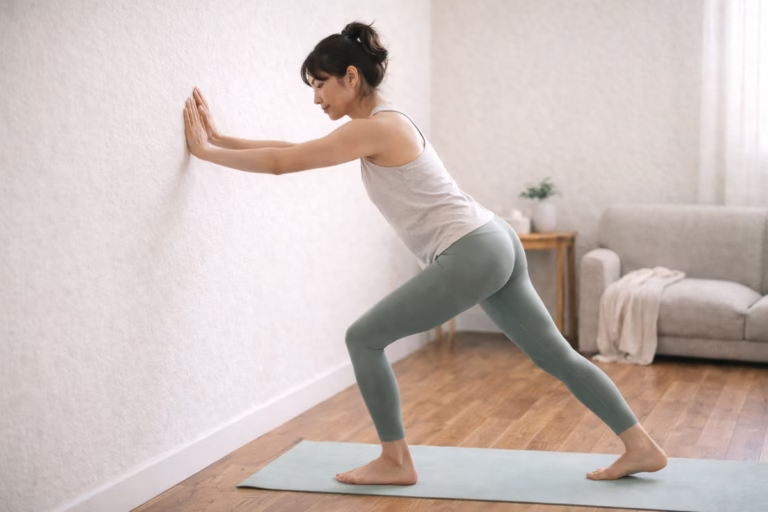
5. Start Gentle Movement When Ready
While the RICE method focuses on immediate symptom management, movement also plays an important role in recovery.
Once the initial discomfort begins to improve, gentle activity can help restore flexibility, circulation, coordination, and strength.
For example, someone recovering from a mild ankle sprain may gradually begin comfortable ankle movements before returning to walking longer distances.
The appropriate timing depends on the injury.
Avoid forcing stretches or pushing through sharp pain. More significant injuries may require temporary immobilization or a rehabilitation plan.
For persistent symptoms, a physical therapist can recommend exercises that support recovery without placing unnecessary stress on healing tissues.
How Long Do Minor Sports Injuries Take to Heal?
Recovery time varies depending on the injured tissue, severity, overall health, and daily activity levels.
A mild muscle strain may improve within several days to a couple of weeks, while a mild ankle sprain can take several weeks to recover fully.
Feeling less pain does not always mean the injured tissue has completely healed.
Before returning to demanding exercise, aim for comfortable movement, adequate strength, and the ability to perform everyday activities without worsening symptoms.
Returning too quickly may increase the chance of another injury.
When Should You See a Doctor?
Home care may be appropriate for some mild injuries, but certain symptoms require professional evaluation.
Seek urgent medical care for a visibly deformed joint, suspected fracture, loss of sensation, a cold or pale limb, or severe pain.
You should also seek prompt assessment when you cannot bear weight, swelling is substantial, a joint feels unstable, or symptoms continue to worsen.
For injuries that aren’t clearly improving after a few days, arrange a medical assessment.
Getting an accurate diagnosis can help prevent avoidable complications and guide a safer recovery.
How to Prevent Sports Injuries
Although accidents cannot always be avoided, a few simple habits can reduce the risk of getting hurt during physical activity.
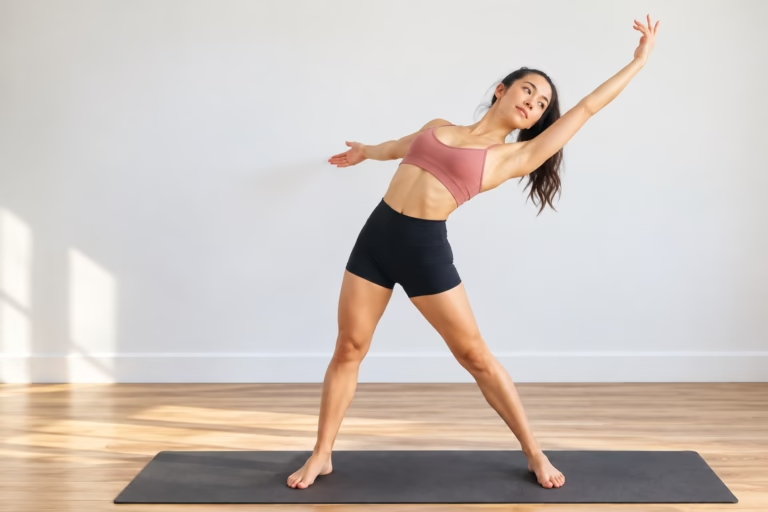
Begin workouts with a gentle warm-up to prepare your muscles and joints for movement. Increase exercise intensity gradually rather than making sudden changes to your routine.
Strength training can also improve joint support and overall stability, while balance exercises may help reduce the risk of falls and certain ankle injuries.
Choose supportive footwear appropriate for your activity, pay attention to exercise technique, and allow enough recovery time between demanding workouts.
Most importantly, listen to your body. Sharp pain, unusual discomfort, and persistent soreness are signs that you may need to modify your activity.
Final Thoughts
Minor sports injuries can interrupt your fitness routine, but they don’t always have to keep you inactive for long.
The RICE method—Rest, Ice, Compression, and Elevation— offers practical ways to manage early discomfort and swelling. Still, these steps work best as part of a broader recovery approach that includes appropriate protection, gentle movement, and gradual rehabilitation.
Be patient with your body, avoid rushing back into demanding workouts, and seek professional advice when symptoms are concerning or persistent.
Taking care of a minor injury today can help you return to the activities you enjoy with greater comfort and confidence.