Intermittent Fasting Over 50: Burn Fat & Boost Energy
When it comes to health and weight management, age can sometimes feel like an obstacle. Many people notice that once they hit their 50s, losing weight and maintaining energy levels becomes more challenging. Hormonal changes, slower metabolism, and a lifetime of eating habits can all play a role. But there’s good news: intermittent fasting over 50 can be a powerful way to reset your body, improve overall health, and tackle stubborn belly fat that refuses to budge.
This guide will walk you through how intermittent fasting works for people over 50, the best fasting diet options to try, how to adjust calorie intake, and the proven benefits of intermittent fasting, including its impact on metabolism and fat loss.
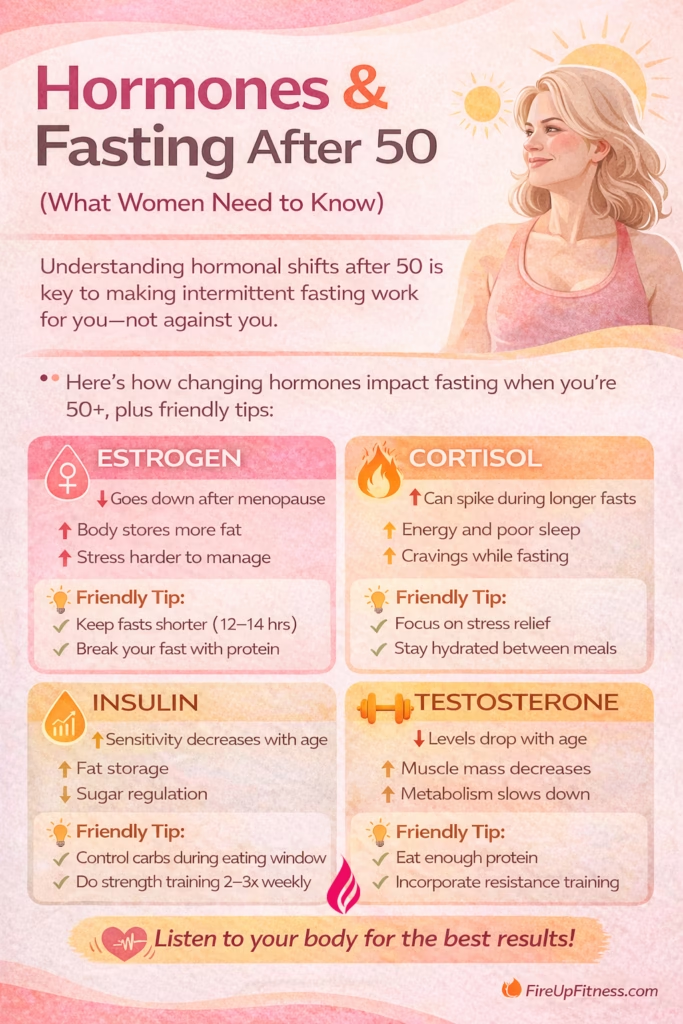
1. How Hormonal Changes After 50 Affect Fasting
After 50, your body doesn’t respond to food, stress, or exercise the same way it once did—and hormones are the reason why. Understanding these changes is key to making intermittent fasting work with your body instead of against it.
As estrogen, progesterone, and testosterone levels shift during perimenopause and menopause, metabolism, fat storage, and energy levels are all affected. This doesn’t mean fasting won’t work—it simply means it needs to be approached more thoughtfully.
“When hormones change, strategy matters more than willpower.”
Estrogen Decline and Fat Storage
One of the biggest hormonal changes after 50 is a drop in estrogen. Estrogen plays a role in regulating metabolism and where fat is stored in the body. As levels decline, many women notice increased fat around the abdomen—even if their eating habits haven’t changed.
How fasting helps:
Intermittent fasting can improve insulin sensitivity, making it easier for your body to access stored fat for energy. This is especially helpful for reducing stubborn belly fat that often appears after menopause.
What to watch for:
Very long fasting windows can sometimes increase stress on the body. For many women over 50, shorter fasts (such as 12:12 or 14:10) are often more sustainable and effective.
Cortisol, Stress, and Energy Levels
Cortisol is your body’s main stress hormone, and its balance becomes more delicate with age. High cortisol levels can slow fat loss, disrupt sleep, and increase cravings—especially for sugary or salty foods.
How fasting interacts with cortisol:
When done correctly, intermittent fasting can help stabilize blood sugar and reduce insulin spikes, which may lower stress on the body. However, overly aggressive fasting can have the opposite effect, increasing cortisol and leaving you feeling exhausted or irritable.
Smart strategy:
- Avoid skipping meals on high-stress days
- Break your fast with protein-rich, balanced meals
- Prioritize sleep and hydration while fasting
Insulin Sensitivity and Blood Sugar Control
As we age, insulin sensitivity often decreases, making it easier to gain weight and harder to lose it. This is one of the reasons fasting can be particularly beneficial after 50.
Benefits of fasting for insulin health:
- Helps regulate blood sugar levels
- Reduces insulin resistance
- Supports steady energy throughout the day
Better insulin control also means fewer crashes and less frequent hunger—making fasting easier to stick with long term.
Muscle Preservation and Metabolism
Another important consideration after 50 is muscle loss, which naturally accelerates with age. Muscle plays a major role in keeping your metabolism active.
Why this matters for fasting:
Without enough protein or strength training, fasting could contribute to muscle loss rather than fat loss.
Support muscle while fasting by:
- Prioritizing protein during eating windows
- Including strength training 2–3 times per week
- Avoiding extreme calorie restriction
How to Tell If Your Hormones Are Supporting (or Sabotaging) Your Fast
Pay attention to how your body responds. Signs your fasting approach is working include:
- Stable energy levels
- Reduced cravings
- Improved sleep
- Gradual fat loss
Signs you may need to adjust:
- Persistent fatigue
- Dizziness or headaches
- Trouble sleeping
- Increased irritability
“Fasting after 50 isn’t about pushing harder—it’s about listening better.”
Key Takeaway
Hormonal changes after 50 don’t prevent success with intermittent fasting—they simply require a more balanced, body-aware approach. When fasting is paired with proper nutrition, stress management, and strength training, it can become a powerful tool for fat loss, energy, and overall well-being.
2. What to Eat During Your Eating Window (Nutrition That Supports Fat Loss & Energy)
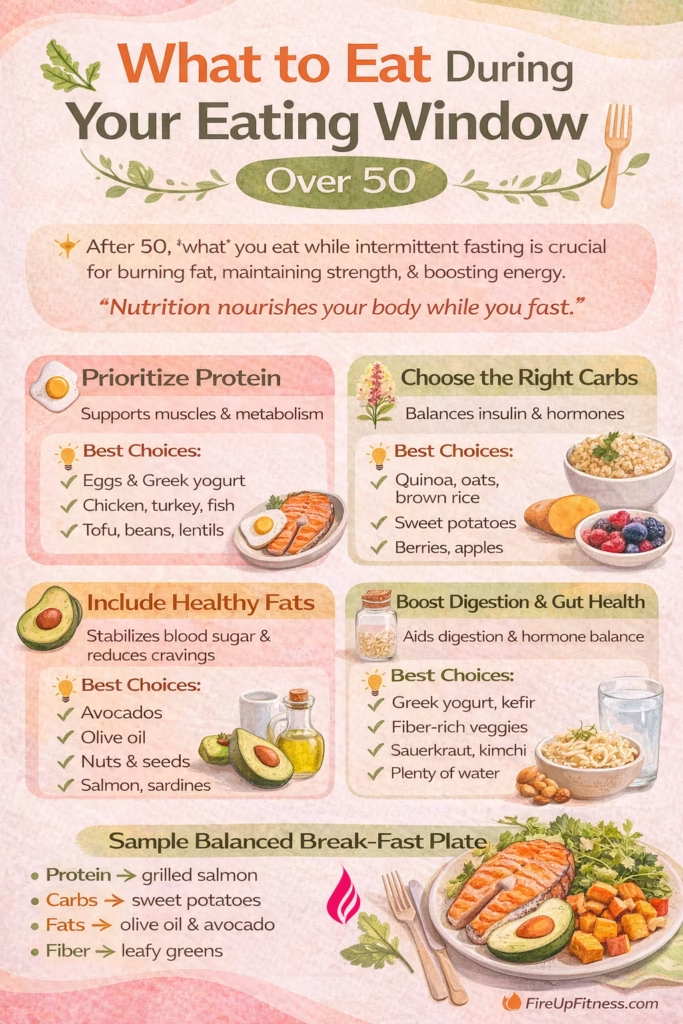
Intermittent fasting isn’t just about when you eat—what you eat during your eating window is what determines your results, especially after 50. As hormones shift and muscle mass naturally declines, your body needs more targeted nutrition to burn fat, maintain strength, and keep energy levels steady.
Think of your eating window as a chance to nourish, not restrict.
“Fasting opens the door—nutrition decides what happens next.”
Prioritize Protein to Protect Muscle
After 50, muscle loss accelerates if protein intake is too low. Since muscle is metabolically active, preserving it is essential for fat loss and long-term health.
Why protein matters during fasting:
- Supports muscle maintenance and strength
- Keeps metabolism active
- Helps you feel full longer
- Reduces blood sugar spikes
Aim for:
A protein-rich meal at every eating window—especially your first meal after fasting.
Great protein choices:
- Eggs, Greek yogurt, cottage cheese
- Chicken, turkey, fish, lean beef
- Tofu, tempeh, lentils, beans
👉 Simple rule: Break your fast with protein first, then add carbs and fats.
Choose Carbohydrates That Support Hormones
Carbs aren’t the enemy—but refined carbs can sabotage fat loss and energy after 50. The goal is to choose slow-digesting, fiber-rich carbs that support insulin sensitivity and hormonal balance.
Best carbs for fasting over 50:
- Sweet potatoes
- Quinoa, oats, brown rice
- Beans and lentils
- Fruits like berries and apples
These carbs provide energy without causing crashes, making fasting easier and more sustainable.
Don’t Fear Healthy Fats
Healthy fats are especially important after menopause. They help support hormones, brain health, and inflammation control—all of which influence fat loss and energy.
Include healthy fats like:
- Avocados
- Olive oil
- Nuts and seeds
- Fatty fish (salmon, sardines)
Pairing fats with protein and fiber helps stabilize blood sugar and keeps you satisfied longer during fasting periods.
Support Digestion and Gut Health
Digestive health often changes after 50, and poor digestion can lead to bloating, fatigue, and discomfort—making fasting harder.
Gut-friendly additions:
- Fermented foods (yogurt, kefir, sauerkraut)
- Fiber-rich vegetables
- Adequate hydration
- Eating slowly and mindfully
A healthy gut improves nutrient absorption and supports hormone balance.
Sample Balanced Break-Fast Meal (Over 50 Friendly)
Here’s what a hormone-supportive meal might look like:
- Protein: grilled salmon or eggs
- Carbs: roasted sweet potatoes or quinoa
- Fats: olive oil or avocado
- Fiber: leafy greens or roasted vegetables
This combination fuels your body, supports muscle, and prevents energy crashes.
Signs Your Eating Window Is Working for You
You’re on the right track if you notice:
- Steady energy throughout the day
- Fewer cravings
- Improved digestion
- Gradual, sustainable fat loss
If you feel overly tired, bloated, or constantly hungry, it may be time to adjust food choices—not fasting length.
Key Takeaway
For intermittent fasting over 50, nutrition is not about eating less—it’s about eating smarter. Prioritizing protein, choosing the right carbs, and including healthy fats helps your body burn fat, protect muscle, and maintain energy.
“Fasting sets the schedule—nutrition delivers the results.”
7-Day Eating Window Meal Plan (Women Over 50)
🕒 Ideal Eating Window
Example: 10:00 AM – 6:00 PM
(Adjust timing to fit your lifestyle)
Each day includes:
- Break-Fast (first meal)
- Main Meal
- Optional Light Snack (if needed)
Day 1
Break-Fast:
Scrambled eggs with spinach + avocado slices
Main Meal:
Grilled salmon, roasted sweet potatoes, steamed broccoli
Optional Snack:
Greek yogurt with berries
Day 2
Break-Fast:
Greek yogurt parfait with chia seeds, walnuts, and blueberries
Main Meal:
Chicken breast, quinoa, roasted zucchini & bell peppers
Optional Snack:
Apple slices with almond butter
Day 3
Break-Fast:
Protein smoothie (protein powder, almond milk, berries, flaxseed)
Main Meal:
Turkey lettuce wraps with hummus + side salad
Optional Snack:
Handful of mixed nuts
Day 4
Break-Fast:
Omelet with mushrooms, onions, and feta cheese
Main Meal:
Baked cod, brown rice, sautéed green beans
Optional Snack:
Cottage cheese with cinnamon
Day 5
Break-Fast:
Overnight oats with protein powder and raspberries
Main Meal:
Grass-fed beef stir-fry with mixed vegetables
Optional Snack:
Dark chocolate (1–2 squares) + herbal tea
Day 6
Break-Fast:
Avocado toast on whole-grain bread + boiled eggs
Main Meal:
Lentil and vegetable bowl with olive oil drizzle
Optional Snack:
Pear with a few walnuts
Day 7
Break-Fast:
Chia pudding with coconut milk and strawberries
Main Meal:
Roasted chicken thighs, mashed sweet potatoes, kale salad
Optional Snack:
Kefir or probiotic yogurt
Smart Nutrition Tips for Fasting Over 50
- ✅ Protein first at every meal (supports muscle + metabolism)
- ✅ Include fiber + healthy fats to stabilize blood sugar
- ✅ Stay well-hydrated during fasting hours
- ✅ Eat slowly and stop when comfortably full
“Consistency beats perfection—especially after 50.”
3. How to Pair Intermittent Fasting With Exercise After 50
Exercise is a powerful fat-loss and energy-boosting tool, but after 50, how you combine workouts with intermittent fasting matters. The goal is not to burn yourself out—it’s to build strength, protect muscle, and support hormones while fasting.
Think smart movement, not extreme training.
“After 50, the right workouts matter more than longer workouts.”
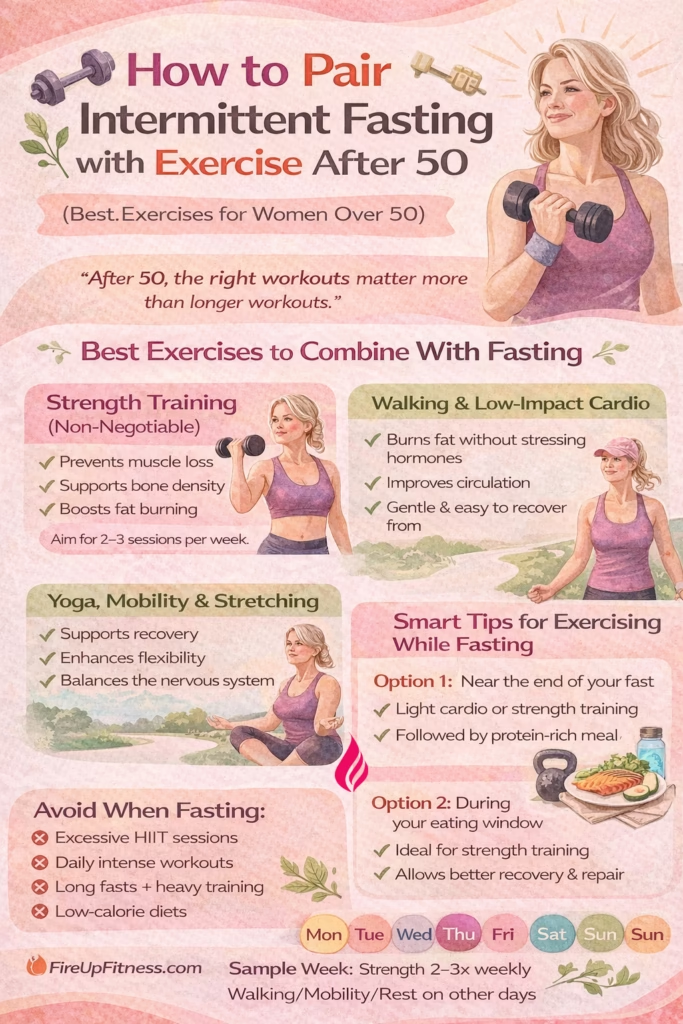
Best Types of Exercise to Combine With Fasting
Not all workouts affect the body the same way, especially during fasting. These exercise styles work best for women over 50:
Strength Training (Non-Negotiable)
Strength training is essential for preserving muscle mass, supporting bone density, and keeping your metabolism active.
Benefits during fasting:
- Prevents muscle loss
- Improves insulin sensitivity
- Enhances fat burning
Best options:
- Bodyweight exercises
- Resistance bands
- Dumbbells or machines
👉 Aim for 2–3 strength sessions per week.
Walking & Low-Impact Cardio
Walking is one of the most underrated fat-loss tools—especially when paired with fasting.
Why it works:
- Burns fat without stressing hormones
- Improves circulation and digestion
- Easy to recover from
Brisk walking during a fasted state can enhance fat burning without increasing cortisol.
Yoga, Mobility & Stretching
Gentle movement supports recovery, flexibility, and nervous system balance—key factors for successful fasting after 50.
Best times for this type of movement:
- Morning fasted state
- Evening to reduce stress
- On rest days
Best Time to Exercise While Fasting
There’s no one-size-fits-all, but here’s what generally works best:
Option 1: Exercise Near the End of Your Fast
- Light cardio or strength training
- Followed by a protein-rich meal
Option 2: Exercise During Your Eating Window
- Best for strength training
- Allows better recovery and muscle repair
👉 Avoid intense workouts during long fasts if energy feels low.
What to Avoid When Fasting After 50
To protect hormones and prevent burnout, be cautious with:
- Excessive HIIT sessions
- Daily intense workouts
- Long fasts combined with heavy training
- Exercising on very low calories
If workouts leave you exhausted or disrupt sleep, it’s a sign to scale back.
Sample Weekly Exercise + Fasting Schedule
- Mon: Strength training + walking
- Tue: Walking + mobility
- Wed: Strength training
- Thu: Yoga or stretching
- Fri: Strength training + light cardio
- Sat: Long walk or outdoor activity
- Sun: Active recovery or rest
This balance supports fat loss while protecting energy and hormones.
Key Takeaway
When combined thoughtfully, intermittent fasting and exercise can be incredibly effective after 50. Prioritize strength training, keep cardio gentle, and listen closely to your body’s signals.
“Train to feel stronger—not just smaller.”
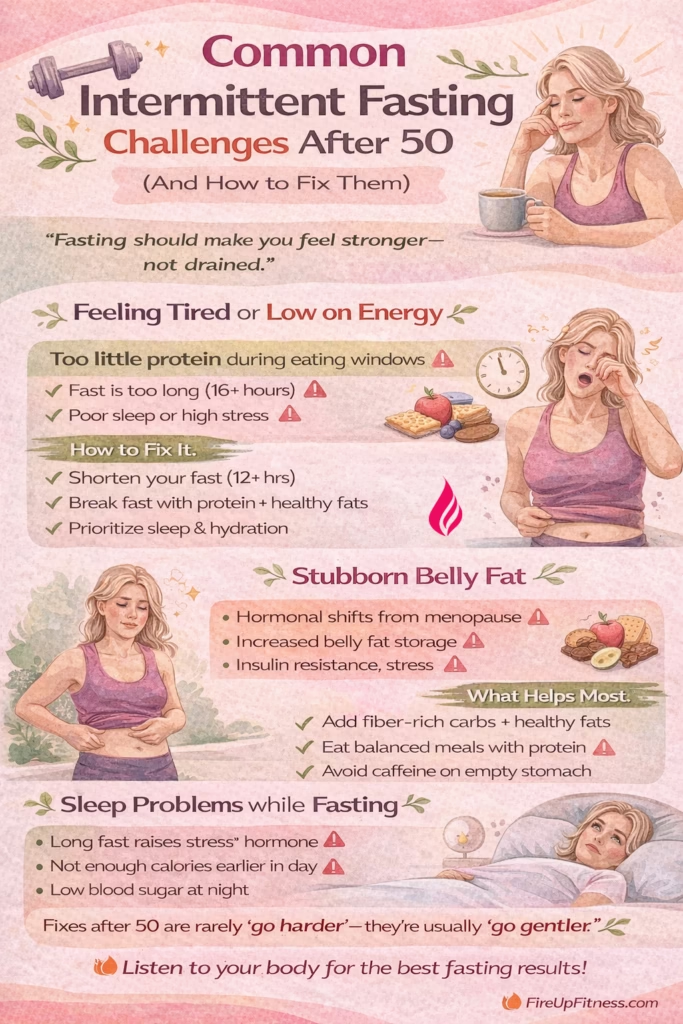
4. Common Intermittent Fasting Challenges After 50 (And How to Fix Them)
Intermittent fasting can be a powerful tool—but after 50, it’s normal to experience a few bumps along the way. The key is knowing the difference between temporary adjustment symptoms and signs that your approach needs tweaking.
“Fasting should make you feel stronger—not drained.”
Below are the most common challenges women over 50 face—and exactly how to handle them.
Feeling Tired or Low on Energy
If fasting leaves you exhausted instead of energized, it’s usually not the fasting itself—it’s how you’re fueling or recovering.
Common causes:
- Not enough protein or calories during eating windows
- Too-long fasting windows
- Poor sleep or high stress
How to fix it:
- Shorten your fast (12–14 hours often works best)
- Break your fast with protein and healthy fats
- Prioritize sleep and hydration
👉 Energy check: If you feel wiped out daily, your fast is too aggressive.
Increased Hunger or Cravings
After 50, hunger hormones can fluctuate more noticeably. Cravings—especially for sugar or carbs—are a sign your body needs better balance.
Why it happens:
- Blood sugar drops too quickly
- Meals lack fiber or fat
- Cortisol (stress hormone) is elevated
How to fix it:
- Add fiber-rich veggies and slow-digesting carbs
- Include healthy fats at every meal
- Reduce caffeine on an empty stomach
Stubborn Belly Fat
Many women notice fat clinging to the midsection after menopause. This is common—and frustrating—but it’s also fixable.
What’s really happening:
- Estrogen decline changes fat storage patterns
- Insulin resistance increases with age
- Stress slows fat release
What helps most:
- Consistent strength training
- Protein-forward meals
- Gentle fasting (not extreme fasting)
“Belly fat after 50 is hormonal—not a willpower issue.”
Sleep Problems While Fasting
Poor sleep is a red flag that fasting is stressing your system.
Possible reasons:
- Long fasts raising cortisol
- Not eating enough during the day
- Low blood sugar at night
Simple fixes:
- Eat your last meal earlier in the evening
- Include complex carbs at dinner
- Avoid fasting past 16 hours
Social & Lifestyle Challenges
Fasting shouldn’t isolate you or make social situations stressful.
Smart strategies:
- Adjust fasting windows for events or travel
- Focus on food quality—not rigid timing
- Remember: consistency over perfection
Skipping a fast occasionally won’t undo progress.
When to Pause or Adjust Fasting
Intermittent fasting should feel sustainable. Consider adjusting or stopping if you experience:
- Persistent dizziness or weakness
- Mood swings or anxiety
- Disrupted sleep for multiple weeks
If you have medical conditions or take medications, consult your healthcare provider before continuing.
Key Takeaway
Challenges with intermittent fasting after 50 are common—but they’re also manageable. The solution is rarely “push harder.” Instead, it’s about adjusting smarter.
“The best fasting plan is the one your body responds to positively.”
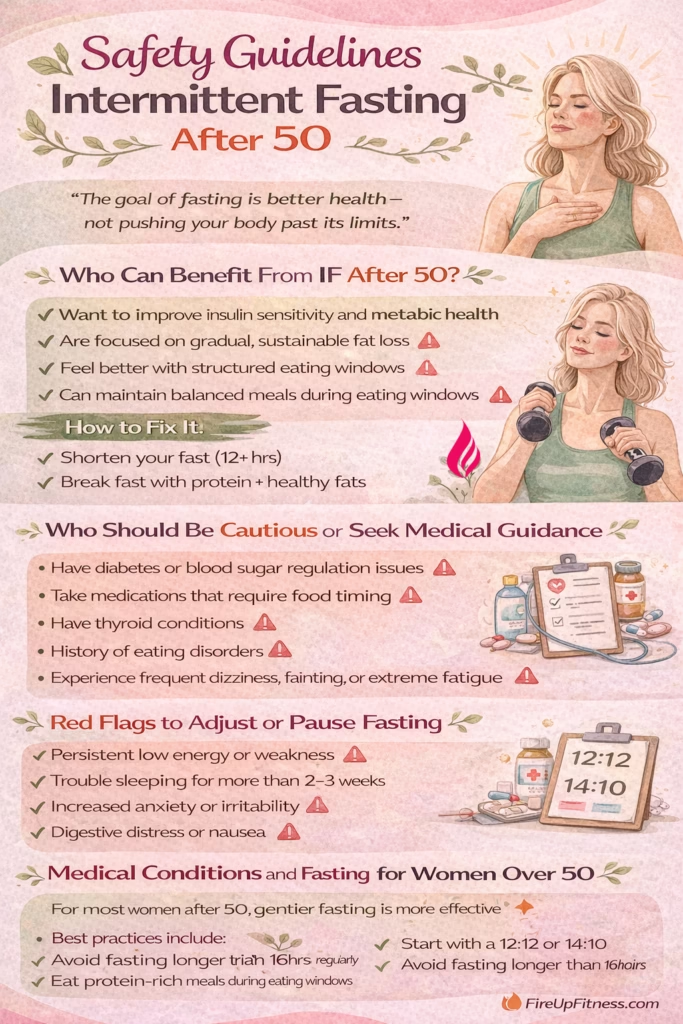
5. Safety Guidelines: Is Intermittent Fasting Right for You After 50?
Intermittent fasting can be incredibly beneficial after 50—but it isn’t one-size-fits-all. As our bodies change with age, it’s important to approach fasting mindfully and safely, especially if you have underlying health conditions or take medications.
“The goal of fasting is better health—not pushing your body past its limits.”
Who Can Benefit Most From Intermittent Fasting After 50
Intermittent fasting may be a good fit if you:
- Want to improve insulin sensitivity and metabolic health
- Are focused on gradual, sustainable fat loss
- Feel better with structured eating windows
- Can maintain balanced meals during eating windows
When done gently, fasting can support energy, digestion, and overall wellness.
Who Should Be Cautious or Seek Medical Guidance
You should consult a healthcare provider before starting or continuing intermittent fasting if you:
- Have diabetes or blood sugar regulation issues
- Take medications that require food timing
- Have thyroid conditions
- Have a history of eating disorders
- Experience frequent dizziness, fainting, or extreme fatigue
Fasting should never feel unsafe or triggering.
Red Flags That Mean It’s Time to Adjust or Stop
Your body will always give feedback. Pay attention to signs that fasting may not be working for you right now:
- Persistent low energy or weakness
- Trouble sleeping for more than 2–3 weeks
- Increased anxiety or irritability
- Digestive distress or nausea
If these symptoms appear, shorten your fasting window or pause fasting altogether.
Safer Fasting Guidelines for Women Over 50
For most women after 50, gentler fasting is more effective than aggressive protocols.
Best practices include:
- Start with a 12:12 or 14:10 fasting window
- Avoid fasting longer than 16 hours regularly
- Eat protein-rich meals during eating windows
- Stay well hydrated (especially during fasting hours)
- Pair fasting with strength training, not excessive cardio
Medical Conditions and Fasting: What to Know
Fasting can interact with certain conditions and medications, including:
- Blood pressure medications
- Insulin or glucose-lowering drugs
- Hormone therapies
Never adjust medication schedules without medical guidance.
Key Takeaway
Intermittent fasting after 50 can be safe and effective—but only when it respects your body’s needs. The smartest approach is flexible, gentle, and personalized.
“If fasting feels supportive, continue. If it feels stressful, adjust.”
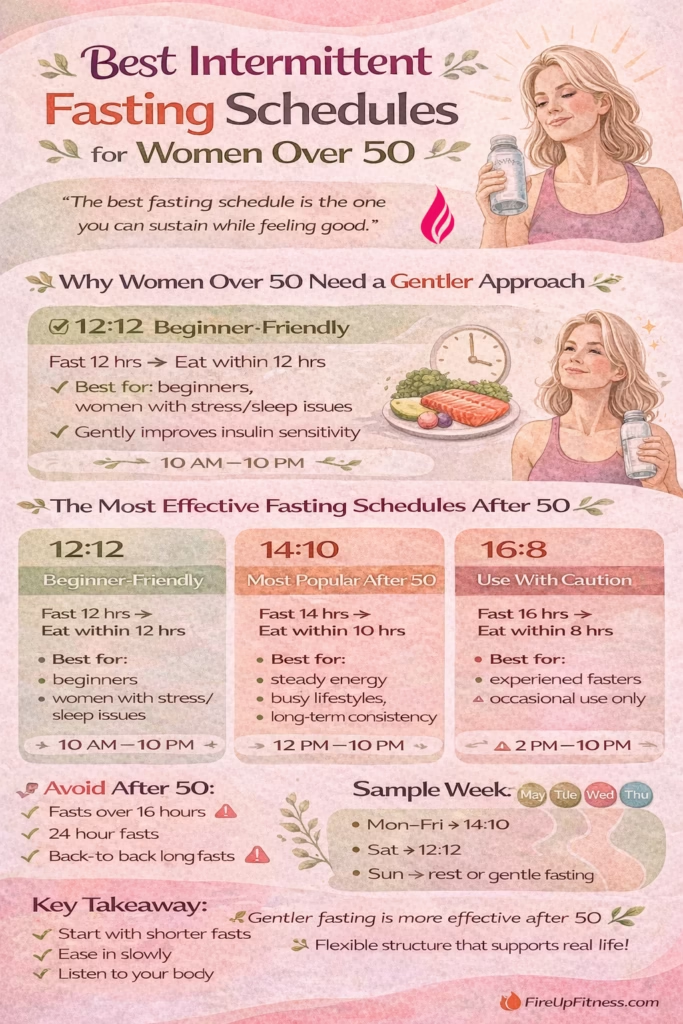
6. Best Intermittent Fasting Schedules for Women Over 50
When it comes to intermittent fasting after 50, longer is not always better. In fact, many women see better fat loss, energy, and hormone balance with gentler, more flexible fasting schedules.
The goal is to choose a fasting window that supports your body—not stresses it.
“The best fasting schedule is the one you can sustain while feeling good.”
Why Women Over 50 Need a Different Approach
Hormonal shifts, changes in insulin sensitivity, and natural muscle loss mean that extreme fasting can sometimes backfire. Shorter fasting windows often:
- Reduce cortisol spikes
- Improve sleep quality
- Support consistent energy levels
- Make fat loss more sustainable
That’s why ease and consistency matter more than pushing fasting limits.
The Most Effective Fasting Schedules After 50
12:12 (Beginner & Hormone-Friendly)
Fast for 12 hours, eat within a 12-hour window.
Best for:
- Beginners
- Women with high stress or sleep issues
- Anyone easing into fasting
Why it works:
It gently improves insulin sensitivity without stressing hormones.
14:10 (Most Popular for Women Over 50)
Fast for 14 hours, eat within a 10-hour window.
Best for:
- Fat loss with steady energy
- Busy lifestyles
- Long-term consistency
This is often the sweet spot for women after 50.
16:8 (Use With Caution)
Fast for 16 hours, eat within an 8-hour window.
Best for:
- Women already adapted to fasting
- Lower-stress periods
- Occasional use rather than daily
If energy dips or sleep suffers, scale back.
Fasting Schedules to Avoid (or Use Rarely)
After 50, it’s generally best to avoid:
- Daily fasts longer than 16 hours
- 24-hour fasts
- Back-to-back long fasting days
These can increase cortisol, disrupt sleep, and lead to muscle loss.
How to Choose the Right Schedule for You
Ask yourself:
- Do I feel energized or drained while fasting?
- Am I sleeping well?
- Can I maintain balanced meals during my eating window?
If fasting feels hard, shorten the window—progress doesn’t come from suffering.
Sample Weekly Fasting Approach
- Mon–Fri: 14:10
- Sat: 12:12 (more flexibility for social plans)
- Sun: Intuitive eating or gentle fasting
This flexible structure supports both results and real life.
Key Takeaway
For women over 50, intermittent fasting works best when it’s gentle, consistent, and adaptable. Shorter fasting windows often deliver better results than extreme approaches.
“Fasting should support your lifestyle—not control it.”
Frequently Asked Questions About Intermittent Fasting After 50
Is intermittent fasting safe for women over 50?
Yes, intermittent fasting can be safe and beneficial for women over 50 when done gently. Shorter fasting windows like 12:12 or 14:10 are often better tolerated and support fat loss, energy, and hormone balance. Always consult a healthcare provider if you have medical conditions or take medications.
What is the best intermittent fasting schedule for women over 50?
For most women over 50, a 14:10 fasting schedule (fasting 14 hours, eating within 10 hours) works best. It supports fat loss without overstressing hormones. Beginners may start with 12:12 and gradually adjust.
Can intermittent fasting help with belly fat after menopause?
Yes. Intermittent fasting can help reduce belly fat by improving insulin sensitivity and supporting fat metabolism. However, results are best when fasting is combined with strength training, adequate protein intake, stress management, and quality sleep.
Should women over 50 fast every day?
Not necessarily. Many women benefit from fasting 5–6 days per week with flexibility on weekends. Occasional shorter fasting days or intuitive eating can help reduce stress and improve long-term consistency.
What should I eat when breaking a fast after 50?
Break your fast with a protein-rich, balanced meal. Ideal options include eggs, Greek yogurt, fish, lean meats, vegetables, healthy fats (like olive oil or avocado), and fiber-rich carbs such as sweet potatoes or quinoa. This helps stabilize blood sugar and protect muscle mass.
Can intermittent fasting cause fatigue or sleep problems?
Yes, if fasting windows are too long or meals lack adequate nutrition. Fatigue or poor sleep are signs you may need to shorten your fast, eat more protein, or reduce stress. Fasting should improve how you feel—not make you feel worse.
Is intermittent fasting effective without exercise after 50?
While intermittent fasting can help with fat loss on its own, combining it with strength training and walking produces better results. Exercise helps preserve muscle, support bone density, and boost metabolism after 50.
Who should avoid intermittent fasting after 50?
Women with diabetes, thyroid disorders, a history of eating disorders, or those taking medications that require food timing should avoid fasting or seek medical guidance before starting.
How long does it take to see results from intermittent fasting after 50?
Many women notice improvements in energy and digestion within 1–2 weeks, while visible fat loss may take 3–6 weeks, depending on consistency, nutrition, and activity level.
Is longer fasting better for faster results?
No. After 50, longer fasts can increase cortisol and slow progress. Shorter, consistent fasting windows usually deliver better and more sustainable results.
Final Thoughts: Making Intermittent Fasting Work for You After 50
Intermittent fasting after 50 isn’t about restriction, perfection, or pushing your body to extremes. It’s about working with your changing hormones, energy levels, and lifestyle to create a sustainable approach to health and fat loss.
By now, you’ve seen that the most effective fasting strategy after 50 includes:
- Shorter, hormone-friendly fasting windows
- Protein-focused, balanced meals during eating windows
- Strength training to protect muscle and metabolism
- Gentle cardio and movement to reduce stress
- Prioritizing sleep, recovery, and consistency
When these pieces come together, intermittent fasting becomes a supportive tool—not a stressful one.
“Progress after 50 comes from alignment, not intensity.”
Your Success Formula After 50
If you remember nothing else, remember this:
- Start small (12:12 or 14:10 works for most women)
- Eat to nourish, not to restrict
- Train for strength, not exhaustion
- Listen to your body and adjust as needed
There is no “perfect” fasting schedule—only the one that helps you feel energized, strong, and confident in your body.
A Gentle Reminder
Your body has carried you through decades of life. Respecting it now means choosing habits that support longevity, strength, and well-being—not quick fixes.
If intermittent fasting feels supportive, keep going.
If it feels stressful, pause, adjust, or choose a different path.
Health is not one-size-fits-all—and that’s a good thing.
Conclusion
Intermittent fasting can be a powerful tool for women over 50 when it’s approached with care, flexibility, and self-awareness. By focusing on gentle fasting windows, proper nutrition, and balanced movement, you can burn fat, boost energy, and feel more in control of your health—without sacrificing quality of life.
“The goal isn’t to eat less—it’s to live better.”
You’re not behind. You’re not broken. And it’s never too late to create habits that truly support your body.