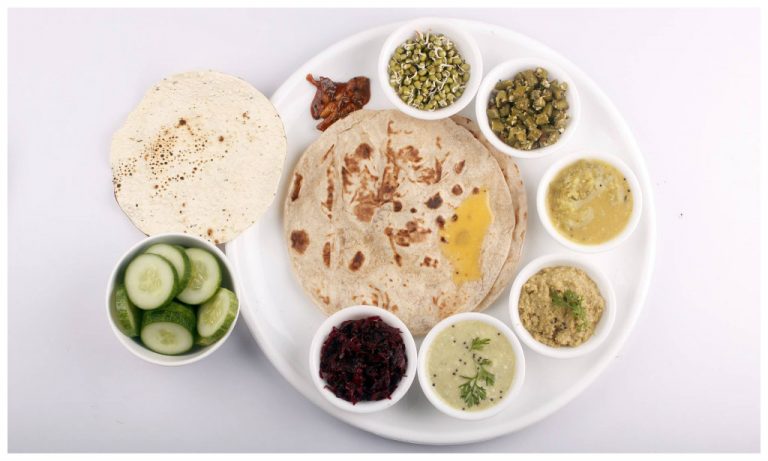

3 Effective Ways to Lose Weight Without Exercising

For many people, weight loss advice starts and ends with exercise. More steps. More workouts. More intensity. But real life doesn’t always leave room for structured workouts—and for some, exercise simply isn’t accessible all the time.
If you’ve ever felt discouraged because you couldn’t stick to a workout routine, you’re not failing. You’re responding honestly to your circumstances.
The truth is, weight loss doesn’t happen in one place. It’s shaped quietly by daily habits, food choices, sleep patterns, and how the body responds to stress. Exercise can help, but it’s not the only path—and for many people, it isn’t the most effective place to start.
If you’re looking for realistic ways to lose weight that don’t involve exercising, here are three approaches that focus on behavior, awareness, and sustainability rather than effort and exhaustion.
The Part That Often Surprises People
People often assume weight loss stalls because they’re “not doing enough.” In reality, many are doing too much in the wrong areas—or overlooking the habits that matter most.
When exercise becomes the only strategy, progress can feel fragile. Miss a workout, and momentum feels lost. But when weight loss is supported by daily systems—how you eat, sleep, and respond to hunger—it becomes steadier and far less stressful.
That’s where non-exercise weight loss strategies quietly shine.
1. Eat With Awareness, Not Restriction
One of the most effective ways to lose weight without exercising is to focus on how and what you eat, not how little.
This doesn’t mean counting every calorie or cutting entire food groups. It means becoming more aware of hunger cues, portion balance, and food quality.
Many people eat quickly, distracted, or on autopilot. Over time, this disconnect makes it harder to recognize fullness, leading to consistent overeating without realizing it.
Small changes that support weight loss:
- Eating slowly and without screens when possible
- Pausing halfway through meals to check fullness
- Building meals around protein, fiber, and healthy fats
- Reducing ultra-processed foods that encourage overeating
When meals are balanced and eaten with attention, the body often self-regulates more effectively—no intense willpower required.
2. Improve Sleep and Daily Recovery
Sleep is one of the most underestimated factors in weight loss.
When sleep is consistently poor, the body shifts into a state that favors fat storage. Hormones that regulate hunger and fullness become disrupted, leading to stronger cravings and reduced satisfaction after meals.
Lack of sleep can:
- Increase appetite
- Reduce impulse control around food
- Lower energy levels (making movement feel harder)
Improving sleep doesn’t require perfection. Even small adjustments help:
- Going to bed and waking up at similar times
- Reducing screen exposure before sleep
- Creating a calming nighttime routine
- Getting morning daylight exposure
Better sleep supports weight loss by restoring hormonal balance—often without any conscious effort during the day.
3. Reduce Stress Before You Reduce Calories
Chronic stress quietly works against weight loss.
When stress stays high, the body produces more cortisol, a hormone that can increase appetite and encourage fat storage—especially around the midsection. This makes weight loss feel harder even when food intake hasn’t changed much.
For many people, addressing stress creates more progress than cutting calories ever did.
Simple stress-reducing habits include:
- Short daily walks or gentle stretching
- Brief breathing or mindfulness breaks
- Setting boundaries around work and screens
- Creating small moments of mental rest during the day
Weight loss becomes easier when the body no longer feels like it’s constantly in survival mode.
Why These Methods Actually Work
These approaches work because they address root causes, not symptoms.
Instead of forcing the body to burn more calories, they:
- Improve appetite regulation
- Support metabolic balance
- Reduce emotional and stress-driven eating
- Create habits that don’t rely on motivation
For many people, weight loss becomes a natural side effect of a calmer, more supportive lifestyle.
Who This Approach Is For
This style of weight loss may be especially helpful if:
- Exercise feels intimidating, painful, or unrealistic right now
- You’ve tried intense workout plans without lasting results
- You want a gentler, more sustainable approach
- You prefer lifestyle changes over rigid rules
It’s not about avoiding movement forever—it’s about building a foundation that supports your body first.
A More Sustainable Way Forward
Exercise can be a helpful tool, but it doesn’t need to be the starting point.
Weight loss that lasts often begins with awareness, rest, and stress reduction. When those pieces fall into place, movement becomes easier to add later—naturally, not forcefully.
If your goal is to lose weight without exercising, focusing on how you eat, how you sleep, and how you manage stress may take you further than any workout plan ever did.
Sometimes, doing less is exactly what allows progress to happen.